
At Joshi’s Museum of Miniature Railways, we spend a lot of time looking at Railway News September 2026. Steam locomotives, early signalling systems, classic train designs and the engineering decisions that shaped different eras are all part of what makes railway history fascinating.
But railway history is still being written.
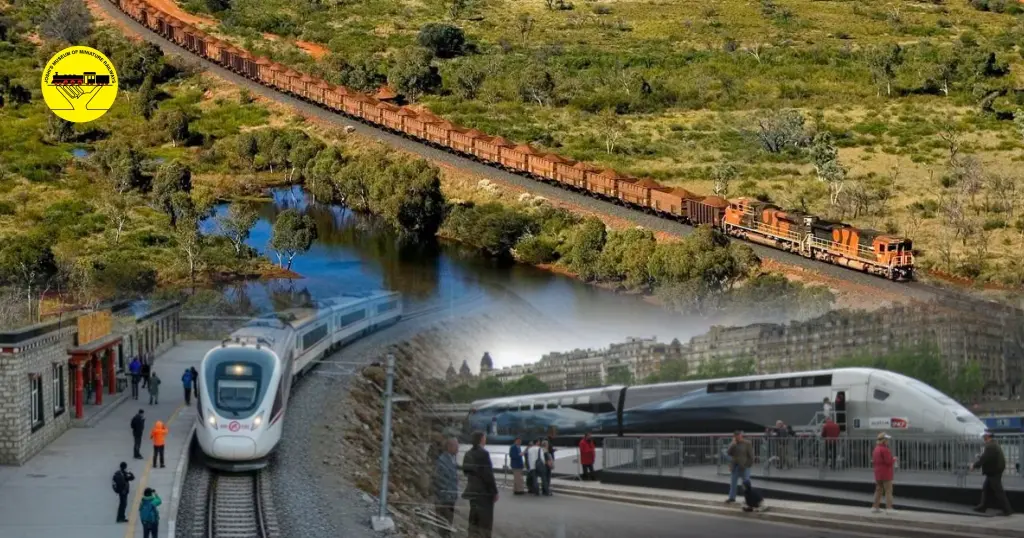
Every month brings new trains, new technologies and new ideas about how people and goods will move. September 2026 was particularly interesting, with developments in autonomous trains, hydrogen and battery propulsion, new passenger fleets and railway safety systems across the world.
Here are some of the railway news stories from September 2026 that caught our attention.
One of the biggest railway events of September was InnoTrans 2026, held in Berlin from 22 to 25 September.
The international transport technology exhibition brought together manufacturers, railway operators and engineers from around the world. Its outdoor display featured 113 railway vehicles from 17 countries, ranging from high-speed trains to hydrogen and battery-powered vehicles.
For railway enthusiasts, exhibitions like InnoTrans are particularly interesting because they offer a glimpse at technologies that may become familiar sights on railway networks in the years ahead.
Some ideas remain experimental. Others are already entering service.
Driverless trains are already familiar on certain metro systems, but automating trains on a conventional railway network is considerably more complex.
In September, Siemens Mobility, Deutsche Bahn and their partners demonstrated the technical feasibility of Grade of Automation 4, or GoA4, operation on an open railway network.
A Siemens Mireo train demonstrated automated movements including deployment and stabling without a driver controlling the train.
Why did this stand out to us?
Because railway automation is not simply about replacing the person in the cab. It requires trains, signalling, control systems and infrastructure to continuously understand what is happening around them.
A railway has always been a system. Automation simply makes that system communicate more intelligently.
Hydrogen trains have appeared frequently in railway news in recent years, but September brought an interesting variation.
Stadler presented a hydrogen-powered train designed specifically for narrow-gauge railways at InnoTrans.
Twenty-one trains are being produced for operators in Sardinia, Calabria and Sicily. They are intended for regional railway lines where installing conventional overhead electrification can be difficult or expensive.
That makes this development particularly interesting.
Narrow-gauge railways often exist in mountainous, rural or geographically challenging areas. Instead of asking every railway to adapt to the same technology, manufacturers are beginning to design propulsion systems around the railway that already exists.
For anyone interested in railway engineering, that distinction matters.
Another important development came from the United Kingdom.
TransPennine Express and Alstom announced an order for 29 five-car battery-electric trains, with the first expected to enter service from 2032.
The trains are planned to operate at speeds of up to 110 mph and will recharge using railway electrification and dedicated charging infrastructure.
Battery trains answer an interesting railway problem.
What happens when most of a route is electrified, but a few sections are not?
Traditionally, operators might use diesel traction throughout the journey or electrify the remaining sections. Battery technology offers another possibility: charge where electricity is available and use stored energy where it is not.
Sometimes railway innovation is not about reinventing the entire network. It is about solving the missing few kilometres.
September also brought a major passenger-fleet announcement from Canada.
VIA Rail Canada ordered 313 new long-distance passenger cars from Alstom for services connecting communities across the country.
The order is significant partly because some of the railway cars being replaced are around 77 years old. Long-distance trains have very different design requirements from commuter or metro trains. They must provide comfort for much longer journeys, accommodate luggage, operate through varying climates and remain reliable across enormous distances.
That makes fleet renewal like this about much more than replacing an old coach with a newer one.
It is a chance to rethink what long-distance railway travel should feel like.
Across the border in the United States, Amtrak is also preparing for a new generation of trains.
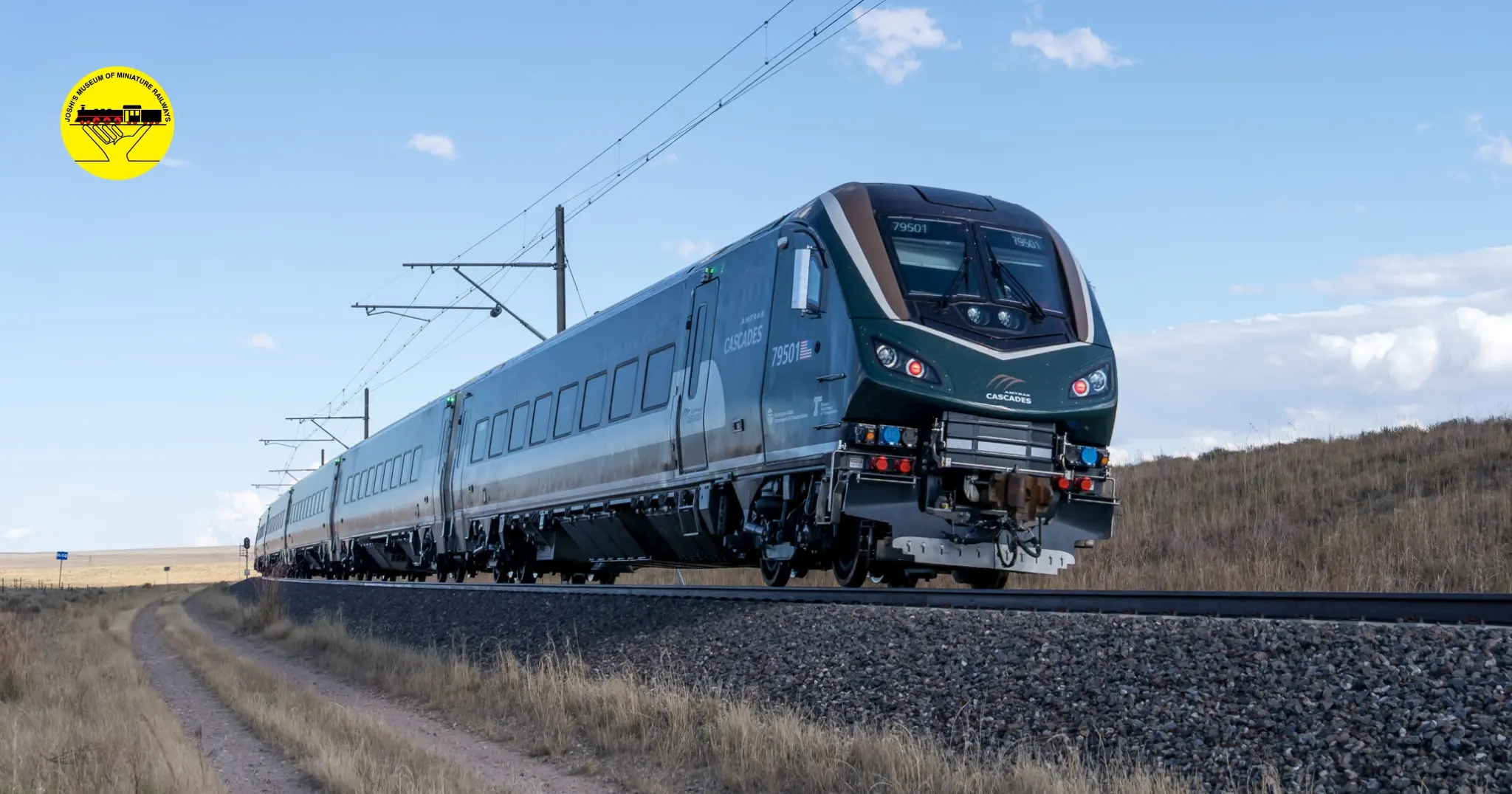
Its Airo trainsets are scheduled to begin passenger operation on 30 September 2026 on the Amtrak Cascades route, connecting destinations including Vancouver, Seattle, Portland and Eugene.
The new trains include larger windows, updated interiors, improved accessibility and modern passenger amenities.
Because we are publishing this roundup on 28 September, the first scheduled passenger journeys have not yet taken place.
That distinction is important whenever we talk about railway news. A train being announced, tested, delivered and entering passenger service are four different milestones. Railway enthusiasts tend to notice the difference.
Not every major railway development arrives with a new locomotive.
Sometimes the most important work is happening underneath it.
In Lithuania, Rail Baltica announced that continuous welded rail had been completed on almost 9 kilometres of new double track, allowing work to progress towards turnout installation.
Rail Baltica is being built to connect the Baltic states more closely with the wider European railway network.
Continuous welded rail replaces frequent traditional rail joints with much longer sections of rail. The result can be smoother running, improved track stability and reduced maintenance requirements.
It is the kind of railway engineering passengers may never consciously notice, which usually means it is doing its job well.
Closer to home, September brought another milestone for Indian Railways.
On 23 September, Kavach Version 4.0 was commissioned across 108 route kilometres between Malkajgiri and Kamareddi on South Central Railway.
Kavach is Indian Railways’ indigenous Automatic Train Protection system.
It assists loco pilots by monitoring operating conditions and can intervene in specified unsafe situations, including certain cases involving excessive speed or signal-related risks.
Railway safety technology rarely attracts the same attention as a new locomotive or high-speed train.
But systems like Kavach may ultimately change railway operations just as significantly.
Looking across September’s railway news, one idea appears repeatedly.
There is no single “train of the future”.
One railway may need batteries. Another may benefit from hydrogen. A busy urban system may move towards automation, while an older long-distance network may need entirely new coaches.
At the same time, signalling, track monitoring and automatic protection systems are becoming just as important as the trains themselves.
That is one of the things we love about railways at Joshi’s Museum of Miniature Railways.
A train is only the most visible part of a much larger machine.
Tracks, signals, points, power systems, stations and people all have to work together before anything moves.
September 2026 gave railway enthusiasts plenty to follow.
Germany pushed automated railway operation further. Hydrogen entered another type of railway. Britain committed to battery-electric trains. Canada and the United States moved towards new passenger fleets, while India continued expanding its indigenous railway safety technology.
Some of these developments may eventually transform railway travel. Others may remain solutions for very specific routes.
Either way, they remind us that railways are never finished evolving. And that gives us plenty more to keep watching.
Major developments included Germany’s GoA4 automated train demonstration, new battery-electric trains for Britain, a narrow-gauge hydrogen train for Italy, VIA Rail Canada’s fleet renewal and expansion of Kavach 4.0 in India.
InnoTrans is a major international transport technology exhibition. The 2026 edition took place in Berlin from 22 to 25 September and included railway vehicles and technologies from manufacturers around the world.
Yes. Stadler has developed hydrogen-powered trains for narrow-gauge regional networks in parts of Italy.
Kavach is Indian Railways’ Automatic Train Protection system. Version 4.0 includes improved integration with railway signalling and location systems and is being progressively deployed across the network.
Modern railway developments help us understand how the same principles seen throughout railway history, including propulsion, signalling, track design and safety, continue to evolve. At Joshi’s Museum of Miniature Railways, that connection between railway history and railway technology is central to what makes trains endlessly fascinating.