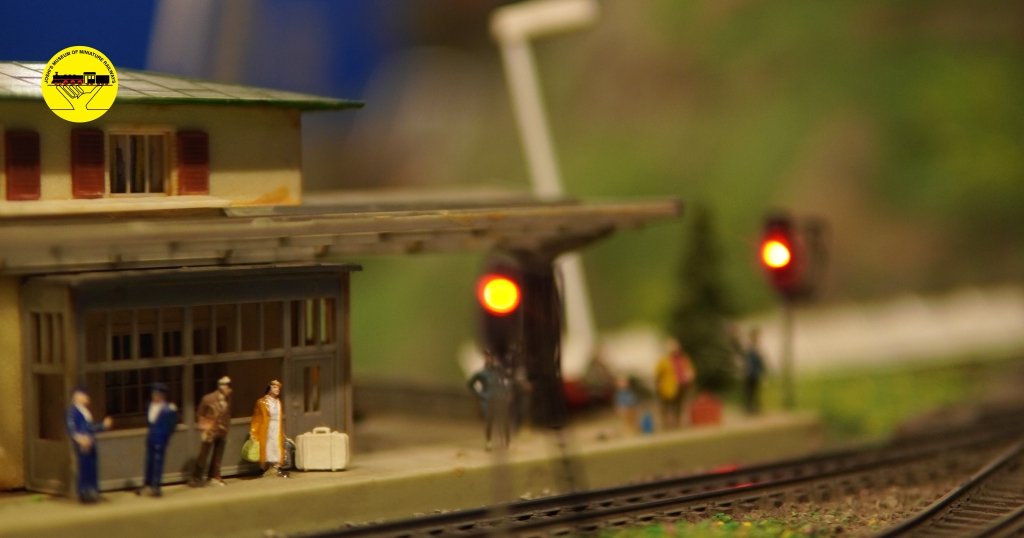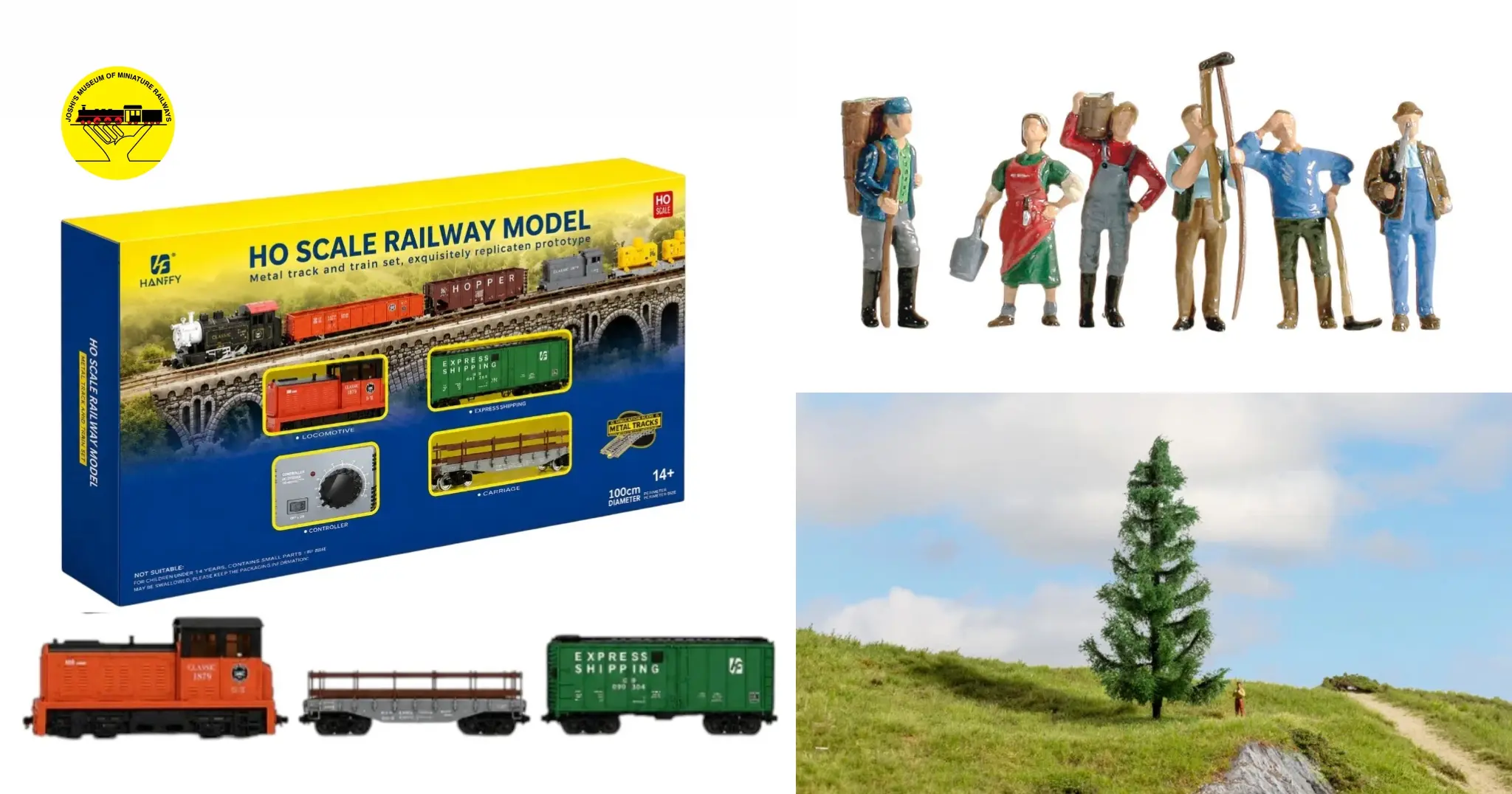

Ever wonder who buys miniature scale models India of trains? Spend a weekend afternoon near the layouts at our museum and you’ll notice the crowd isn’t one crowd. There are kids pressed up against the glass, and retired railwaymen pointing out signals they used to read for a living. And then there’s a quieter group: people studying how a tree sits beside a platform, or why one tiny figure waiting for a train makes the whole scene feel lived in.
That last group is often not into trains at all. They’re architecture students, landscape designers, interior designers, people building a display for a shop window. They need the same small things a railway modeller needs: people at the right scale, trees that look like trees, and ground cover that doesn’t read as green paint.
So this one is for all of them. Below is who actually uses miniature scale models, what each group tends to look for, and what we’ve learned about getting it right.
Plenty of people don’t want to run a train. They want one that sits still and looks exactly right. For Indian Railways fans that has been surprisingly hard, because most of the big commercial ranges are European or Japanese.
That’s the gap the 1:100 static locomotives fill. There’s the WAP7 passenger electric and the WAG9 freight workhorse. On the diesel side you get the WDP4 and WDP4D, the WDG4 and WDG4D, the older WDG3A, and the WDS6AD shunter. If you grew up anywhere near a line in India, at least two of these have rolled past you at a level crossing. At 1:100 they’re big enough to show real detail on a desk without taking it over.
Then there are the newer favourites. The Vande Bharat Express model is the one most visitors recognise instantly, and the Pune Metro static model has become a quiet hit with people from the city (it comes in more than one variant). And for anyone who once rode a cog railway up a Swiss mountain, there’s the Jungfrau static model.
The first question is always “where do I start?” Honestly: with one oval of track and one train. A few evenings with that and you’ll know whether you’re hooked.
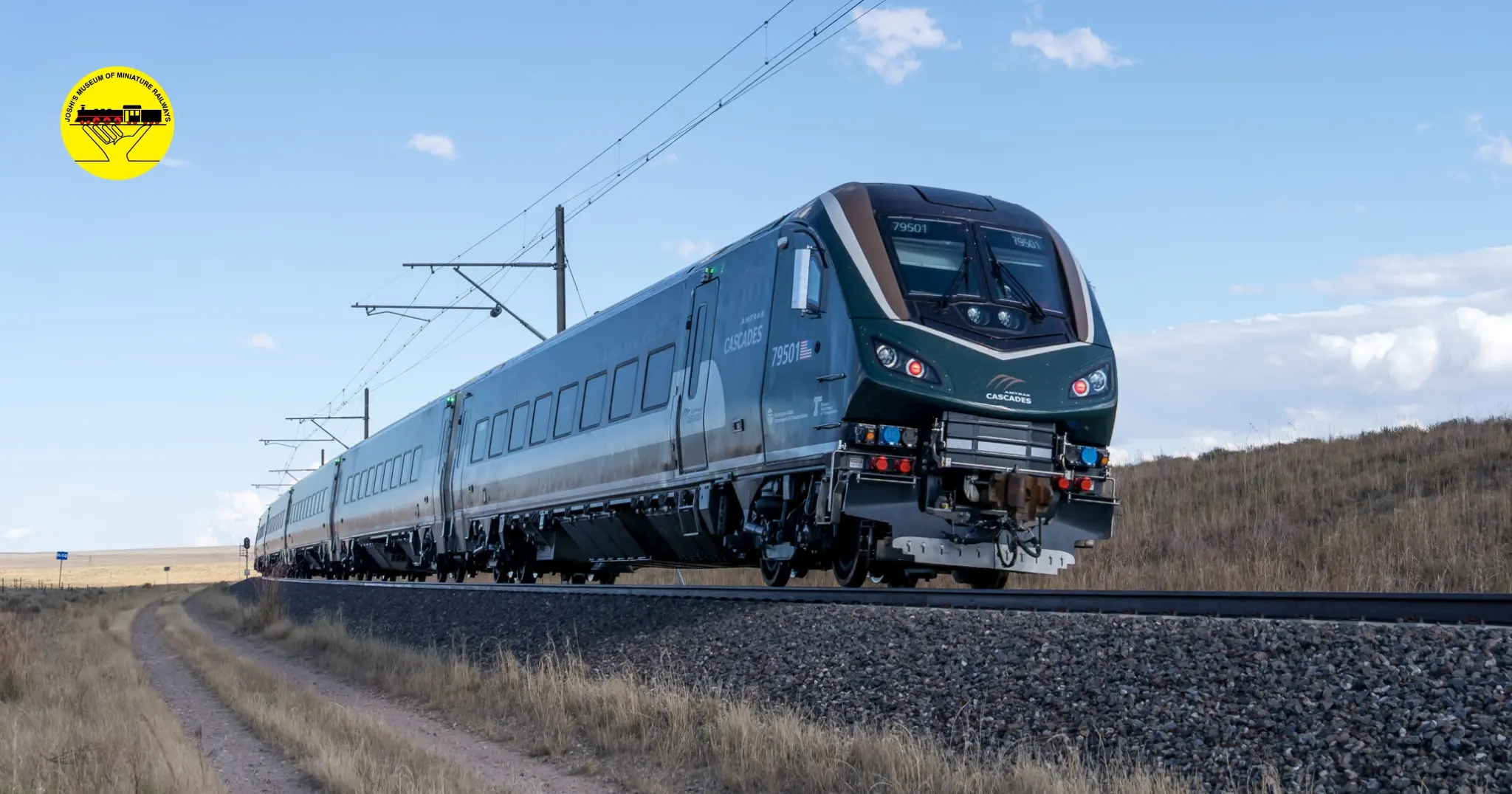
H0 (1:87) is the usual way in. The Transport Train H0 start set comes with a steam engine, two carriages, a DC controller, a transformer and a full circle of curved track, so it runs the day you open the box. The analog steam freight and passenger starter sets do the same job with different rolling stock. And if you already know you’ll want two trains on one track, controlled from your phone, the PIKO SmartControl two-train digital set is where people end up.
If your heart is in Japan or Germany instead, look at the N700 Shinkansen start set, the JR EF210 container set, the MT ICE start set or the MT switcher set. A few of these are marked down at the moment.
The oval gets boring fast, and that’s the fun part. Next you add a siding, and suddenly you need H0 flex track, a left or right 15° turnout, a buffer stop at the end, and insulating rail joiners so you can park one loco while the other runs. Want to throw points from a control panel instead of reaching over the layout? That’s a twin coil turnout motor and an electric point switch. A three-aspect colour light signal costs less than a pizza and makes a junction look real.
The tinkerers who build and repair their own rolling stock tend to go straight for 12 mm and 10.5 mm geared wheelsets and spare gears. And for the garden railway dreamers, there’s G scale: the BR 218 diesel locomotive and a motorised bogie to build your own.
One thing worth knowing: these are model building items, not toys, and the shop recommends them for ages 14 and up. A younger child will love watching, though.
Put one 1:87 figure next to a building model and two things happen. The building gets a size you can feel in your body. And the space starts to look like somewhere people go. That’s why a good competition model almost always has people in it.
The problem is finding figures that hold up. Cheap unpainted ones read as plastic from a metre away, and a jury notices. The NOCH figures in the shop are hand painted in H0. The Mega Economy set “At the Station” has 30 of them: business travellers, commuters, conductors, families dragging luggage. That covers most transit, civic and public space projects in one box. When you have a whole plaza or auditorium to fill, the bigger Mega Economy figures set and the “Sitting People” set save a lot of hunting.
A quick note on scale, because it comes up every time. A lot of architectural models are built at 1:100. H0 figures at 1:87 are roughly 15% larger than true 1:100. At presentation distance almost nobody notices, and many model makers prefer the extra detail. If you work at 1:50 or 1:200, you’ll want different figures.
Smaller packs help when the brief is specific. Paramedics for a hospital entrance. Construction workers for a phasing or site model. Photographers at a viewpoint. And because real places have more than humans in them, dogs for a residential street, birds on a rooftop, and swans and ducks by a water body.
A landscape model lives or dies on its vegetation. Sponge balls on sticks flatten a scheme. One good specimen tree pulls the eye exactly where you want it.
What we like about the NOCH Master trees is the armature. The oak, for example, is built on up to 40 hand-worked wires, so you can bend branches to clear a tight courtyard wall or open up a view line. It stands about 10 cm tall, and since a tree has no fixed size, NOCH lists it for everything from Z up to G scale.
The species range is wide enough to plan with, not just decorate:
• Avenue and boundary trees: oak, ash, chestnut, poplar
• Lighter canopy and feature trees: silver birch, downy birch, copper beech for a darker accent
• Conifers for hill sites and screening: pine, spruce, a smaller spruce, high trunk spruce
• Water edges: weeping willow
• Orchards and a single showpiece: apple, cherry blossom
Trees only get you halfway. The ground does the rest. Grass tufts in light and dark green break up a lawn edge so it stops looking like carpet. Flower meadow scatter grass is good for wildflower planting, held down with grass glue. If you’d rather try a few materials before committing, the vegetation start set is a sensible first buy. Rural or farm stay schemes come alive with a handful of farm animals or forest animals, and for vineyards or agritourism there are wine grower figures.
A floor plan tells a client where the counter goes. A tiny person leaning on that counter tells them how the room will feel. That’s the logic behind the Tiny Scenes range: each box is a single hand-painted H0 moment you can drop into a concept model.
The “Coffee Break” scene is a worker in orange trousers sitting on a cable reel with his coffee, and it’s hard not to smile at. For hospitality and retail concepts there’s a cake display, an ice cream parlour, a restaurant scene and clothes shopping. Workplace and coworking pitches can use the office figures (female and male), “At Work”, or “Warehousing” for logistics spaces. There are even people posting letters (female, male) and an “On the Platform” scene for station concourses.
The same pieces work for shop windows, exhibition stands and museum vignettes. For heritage or craft stories, the bakers, carpenters and chimney sweepers carry a bit of old-world charm without any explaining.
Not every visit ends with a starter set, and that’s fine. Some of the most loved things in the shop cost less than a movie ticket. The Vande Bharat and Pune Metro fridge magnets and the steam and diesel engine keychains all come in packs of five, which makes them easy return gifts for a train-themed birthday. There’s the JMMR mug for the person who already has everything. And the My JMMR set with a mystery gift is a nice way to take a bit of the museum home.
A question we hear a lot, usually from someone holding a loco that stopped running: “Who do I even send this to?” For years the honest answer in India was “abroad, and good luck.”
That’s changed. We’re dealers for PIKO, Tillig, Faller and NOCH, and we ship across India. So you get the real thing, with a person on the other end of the phone if something isn’t right. And if what you need isn’t listed in the shop yet, ask us. Tillig track or a Faller building kit can usually be arranged.
We’re also the authorised service centre for PIKO in India. If your PIKO set needs a repair, it doesn’t have to leave the country. The workshop doesn’t stop at PIKO, though. We service and repair locos and rolling stock from all brands: a motor that hums but won’t turn, a decoder that won’t respond, a wheelset that’s lost its grip, or an old family heirloom that hasn’t run since the nineties. The people fixing it are the same people who keep the museum layouts running every day.
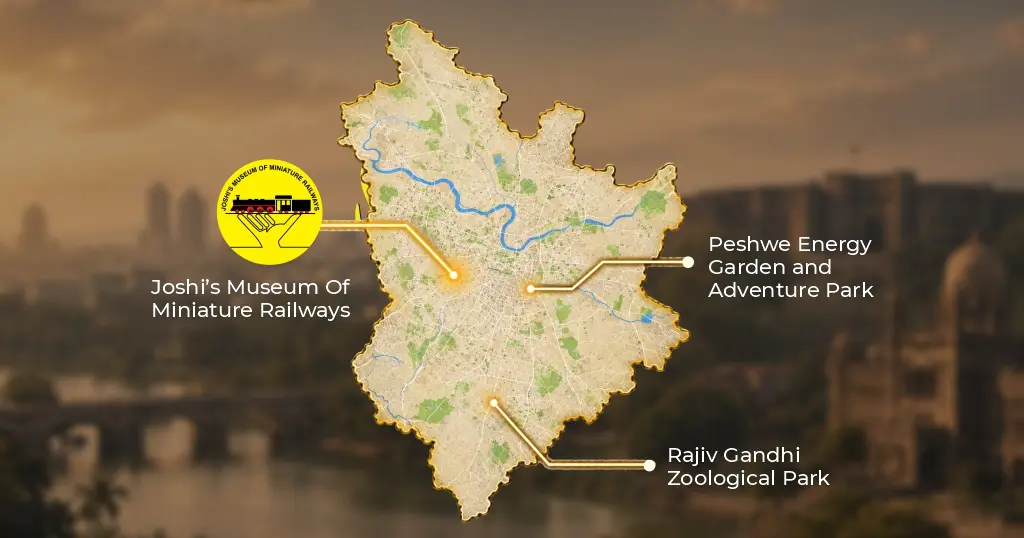
If you’re stuck on scale, or can’t picture how a tree will sit beside a figure, come and look before you buy. Our layouts at the Pune museum and the Wai museum show you how trees, figures and track read together at this scale, which is hard to judge from a product photo. Then take your time in the shop. Small worlds are worth getting right.