The Future of Railways: Technologies That Could Transform Train Travel
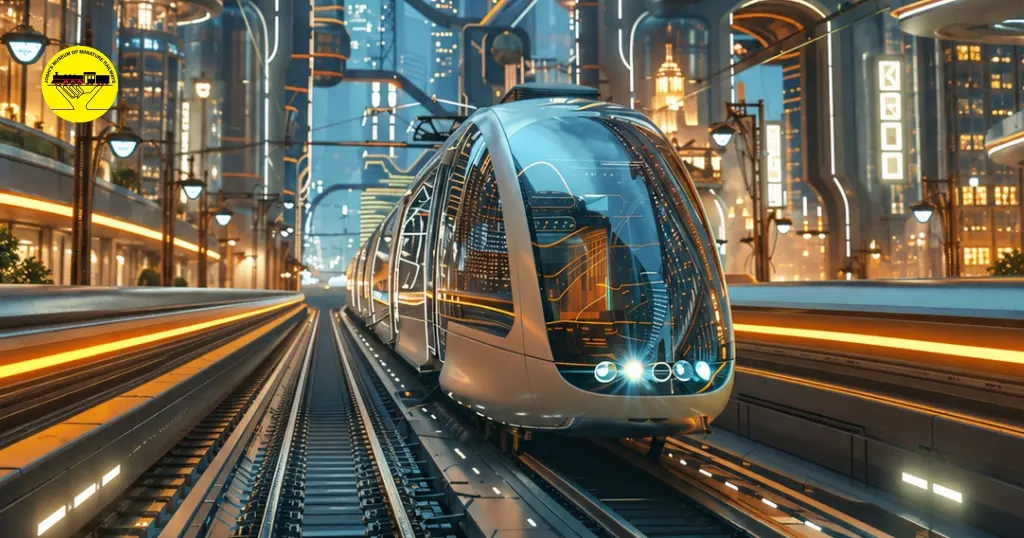
The future of railways is not only about faster trains. It is about cleaner energy, safer operations, intelligent maintenance and a better passenger experience. Steam transformed travel, diesel expanded railway reach and electric traction improved efficiency. Today, hydrogen, batteries, magnetic levitation, artificial intelligence and digital signalling are opening another chapter in railway history.
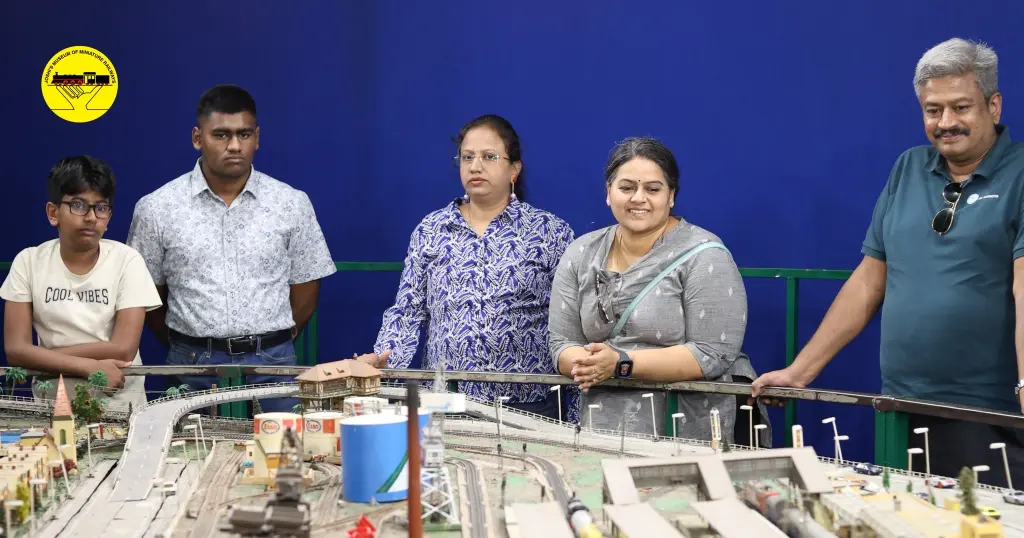
At Joshi’s Museum of Miniature Railways, visitors often begin by watching trains move. Soon, they start asking how tracks, switches, signals and power systems work together. The railways of tomorrow depend on the same principle: every component must operate as part of one connected system.
Why the future of railways matters
Railways must carry growing passenger and freight demand while reducing emissions, improving safety and using infrastructure efficiently. Different routes may need different technologies depending on distance, terrain, traffic and access to electricity.
Want to experience tracks, signals and moving trains working together? Visit Joshi’s Museum of Miniature Railways in Pune or Wai.
Technologies shaping the future of railways
Technology
Purpose
Hydrogen fuel cells
Alternative to diesel on selected routes
Battery-electric trains
Travel beyond overhead wires
Magnetic levitation
Enable very high speeds
Artificial intelligence
Predict faults
Digital signalling
Improve train control
Automatic train protection
Monitor speed and signals
Hydrogen-powered trains
A hydrogen fuel-cell train produces electricity onboard by combining hydrogen with oxygen. At the point of use, the process produces water vapour and condensed water rather than diesel exhaust. Its wider environmental impact still depends on how the hydrogen is produced.
Alstom’s Coradia iLint became the world’s first hydrogen fuel-cell passenger train. It was developed mainly for regional lines where full electrification may be difficult or expensive.
India has also entered this field. Indian Railways approved a 10-coach indigenous hydrogen fuel-cell trainset for the Jind-Sonipat section. According to the Press Information Bureau, it uses a 1,200 kW fuel-cell propulsion system and has an approved operating speed of up to 75 km/h.
Hydrogen is unlikely to replace every electric train. Its value lies in offering another cleaner option for suitable non-electrified routes.
Battery-electric trains
Battery trains store electricity onboard and use it where continuous overhead power is unavailable. They may charge under overhead wires, through regenerative braking or at dedicated charging points.
This can help when a route is mostly electrified but contains shorter gaps without wires. A battery train can use electricity on the main network and stored power on the remaining section.
Hitachi Rail is developing full-battery, battery-electric and battery-diesel configurations that can operate across electrified and non-electrified sections.
Magnetic levitation and high-speed travel
Conventional trains use steel wheels on steel rails. Magnetic levitation, or maglev, uses magnetic forces to lift and guide the vehicle. With no conventional wheel-to-rail contact during high-speed operation, the system can reach exceptional speeds.
JR Central is developing the Chuo Shinkansen using superconducting maglev technology. The company states that the system is designed for commercial operation at 500 km/h.
Maglev requires dedicated guideways, power systems and stations. It cannot operate on ordinary tracks, making it more suitable for selected high-demand corridors.
Artificial intelligence and predictive maintenance
Modern railways generate data from tracks, trains, cameras, sensors and control systems. Artificial intelligence can analyse this information and identify patterns that may indicate a developing fault.
Network Rail’s Insight system combines measurement-train data, track images and remote condition monitoring. It uses artificial intelligence to warn maintenance teams when a fault may occur.
Digital signalling and safer train control
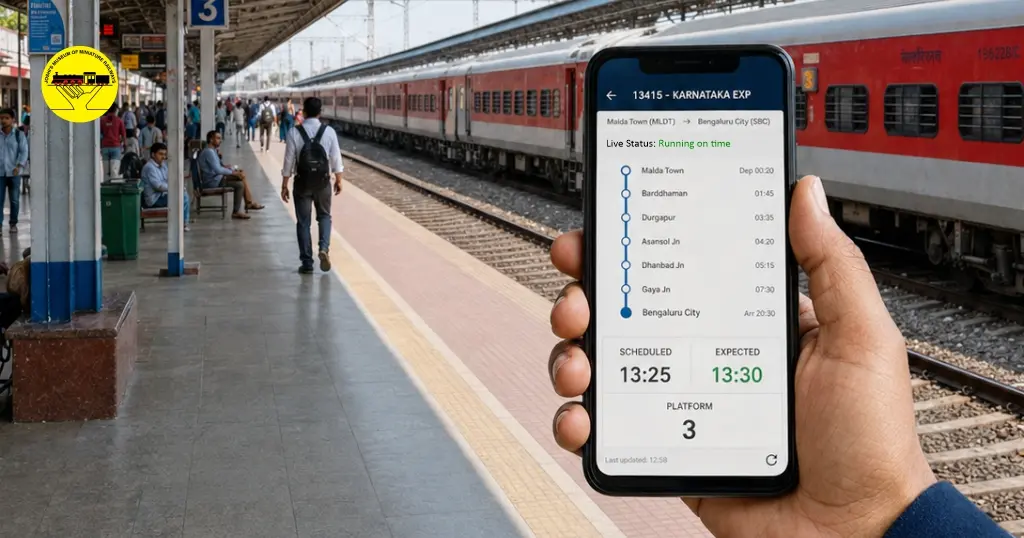
Traditional railway signals provide instructions beside the track. Digital signalling can transmit movement information directly between trains and control centres, giving the railway a more continuous understanding of train position and permitted speed.
Network Rail’s Digital Railway programme says modern signalling and train-control technology can increase capacity, reduce delays, improve safety and lower operating costs.
India’s Kavach is an indigenous Automatic Train Protection system. It assists loco pilots by monitoring speed and signal conditions and can apply brakes automatically in specified unsafe situations. Kavach Version 4.0 was approved in July 2024 and is being deployed progressively.
Why this matters at JMMR
A miniature railway makes a large system easier to observe. Visitors can follow a train, notice a signal, watch it change tracks and understand that movement depends on coordination.
Future railway technology follows the same logic. It changes how trains receive power, how faults are found and how movements are controlled.
At Joshi’s Museum of Miniature Railways, curiosity often begins with a moving model and grows into an interest in engineering, design and railway history.
The future of railways will not be defined by one universal train. Hydrogen may support some regional routes. Batteries may bridge gaps in electrification. Maglev may transform selected high-speed corridors. Artificial intelligence, digital signalling and automatic protection could improve many railway systems.
Together, these technologies show that railways are adaptable transport systems continuing to evolve.
Before you leave, explore the JMMR Shop for railway souvenirs, collectibles and miniature models.
FAQs
1. What is the future of railways?
It includes cleaner propulsion, intelligent maintenance, digital signalling, automatic train protection and improved passenger systems.
2. Will hydrogen trains replace diesel trains?
They may replace diesel trains on selected non-electrified routes, but hydrogen production, cost and refuelling infrastructure will determine where they are practical.
3. How do battery trains work?
They store electricity onboard and use it where continuous overhead or third-rail power is unavailable.
4. Are intelligent trains already operating?
Artificial intelligence is already being used for railway maintenance and monitoring, while automated operation is established on several controlled metro systems.
5. What is Kavach?
Kavach is Indian Railways’ Automatic Train Protection system, designed to assist loco pilots and reduce risks linked to overspeeding and signals passed at danger.