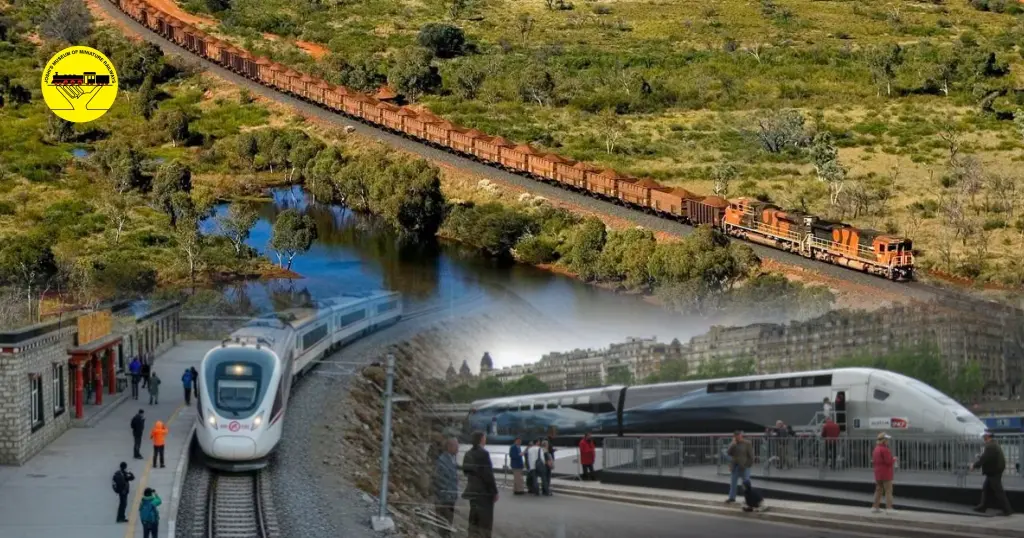

Checking the live train running status has become one of the most common habits before a railway journey. Before leaving for the station, before receiving someone at the platform, before planning a connection, or before answering the familiar question “where has the train reached?”, passengers turn to live train tracking for reassurance.
On the surface, it looks like a simple update. The train is on time. The train is delayed. The train has crossed a station. The train is expected to arrive at a certain time. But behind that small screen is a long history of railway control, signalling, communication, data systems and prediction technology.
Live train running status is not only about convenience. It is about reducing uncertainty. Railway journeys have always involved waiting, and modern tracking systems try to make that waiting more informed. Today, passengers can check train arrival status from their phones, railway apps, station displays and online enquiry systems. The emotional question remains the same, but the way we answer it has changed completely.
Railway journeys depend heavily on timing. A delay of even 10 or 15 minutes can affect when passengers leave home, when families reach the station, when connecting transport is booked and when someone is picked up after arrival. That is why live train running status has become an essential part of railway travel.
For passengers beginning a journey, it helps them decide when to leave for the station. For someone receiving a guest or family member, it helps avoid unnecessary waiting. For daily commuters, it helps manage routine. For long-distance travellers, it brings clarity during a journey where delays can build up across many stations.
The value of live train tracking is simple: it gives people a better idea of what is happening now. Instead of depending only on printed timetables or station announcements, passengers can follow the progress of a train in real time or near real time.
This has changed the way people experience railway travel. Earlier, waiting often meant guessing. Today, waiting comes with information.
For much of railway history, passengers depended on fixed timetables. A timetable told people when a train was supposed to arrive or depart. But railways are living systems. Weather, traffic congestion, operational changes, technical issues, track work, signalling restrictions and platform availability can all affect actual timings.
That gap between scheduled time and actual movement created the need for better train information. Over time, railway systems moved from printed timetables to station boards, control offices, public announcements, digital displays, websites and mobile apps.
The shift from static information to live train running status is important because it reflects how railways themselves became more connected. Trains were no longer only being scheduled. They were being monitored, controlled and reported across networks.
Modern passengers may see a simple arrival update, but that update is usually the result of multiple systems working together.
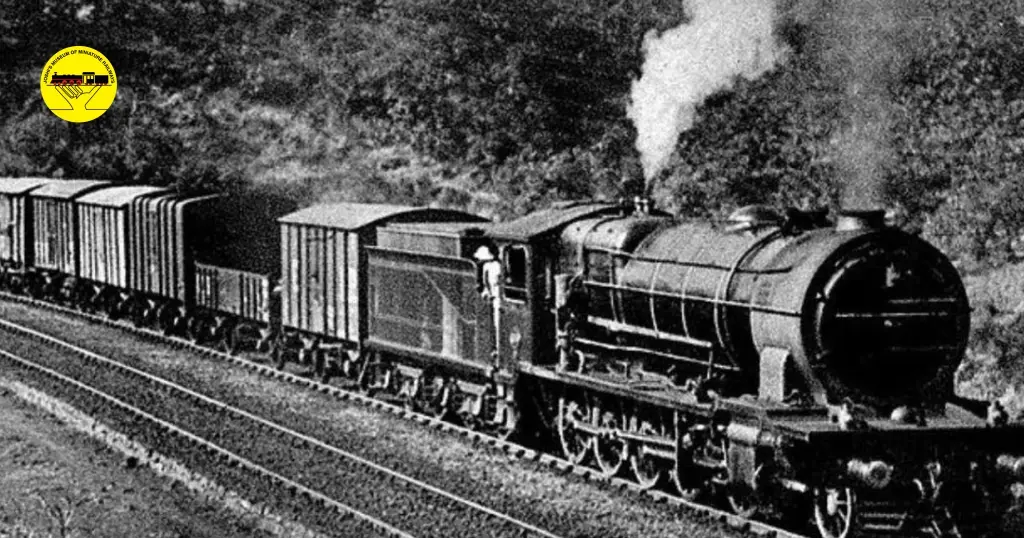
Train tracking did not begin with mobile apps. It began with the need to know whether a section of track was clear and whether a train had safely moved from one point to another.
In the early railway era, communication between stations became a major safety requirement. Telegraph instruments allowed railway staff to send information between points on a line. This made it easier to manage trains over distance and reduced the risk of confusion.
Later, railway signalling became more advanced. Track circuits helped detect the presence of trains on sections of track. Block systems helped divide railway lines into controlled sections. Signal boxes, control rooms and dispatching systems allowed railway staff to manage train movement with increasing accuracy.
Centralised control then changed the scale of railway management. Instead of relying only on local operators, larger sections of the network could be supervised from control centres. This made train movement more visible to railway staff and improved coordination across busy routes.
Today’s live train running status is a passenger-facing result of this long evolution. The technology has changed, but the basic purpose remains connected to the same railway need: knowing where a train is and what it is likely to do next.
Live train tracking can work in different ways depending on the railway network, country and type of train service. There is no single global method used everywhere. Most systems combine scheduled data, operational data, signalling information and real time updates.
Some systems use information from signalling and control systems to understand train movement. When a train passes certain points, the system receives updates and calculates its progress. Other systems use GPS or onboard tracking to report train location more directly. Many modern passenger platforms also combine live data with prediction engines that estimate future arrival and departure times.
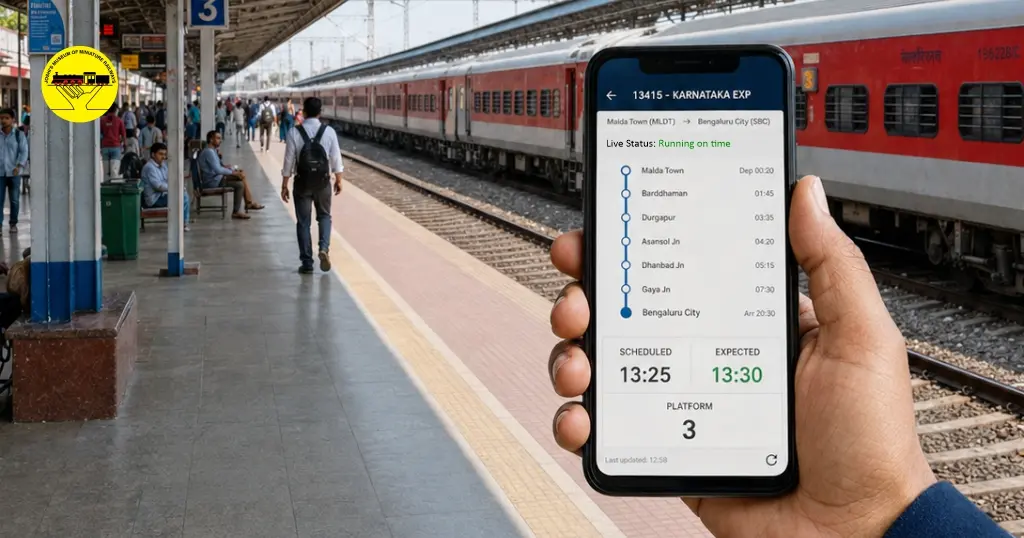
The result is what passengers see as train running status. This may include the train’s current location, last reported station, expected arrival time, expected departure time, delay status, platform information and service changes.
In simple terms, live train running status is not only a map. It is a combination of movement data, schedule comparison and prediction.
In India, checking train running status is a daily habit for millions of passengers. With long-distance routes, large station networks and high passenger volumes, real time information is extremely useful.
Passengers commonly check whether a train is on time, delayed, cancelled, diverted or approaching a station. Live train running status becomes especially important before long journeys, night arrivals, family pickups and festival travel, when station planning and timing matter even more.
Systems such as the National Train Enquiry System help passengers access train running information. Many private travel platforms and railway-related apps also use train data to show current status, upcoming stops, expected arrival and delay updates.
For Indian passengers, the phrase “where is my train?” has become part of everyday railway language. It is practical, but also emotional. It often means someone is waiting, someone is travelling, or someone is about to arrive.
Different countries have developed their own live train information systems based on their railway networks.
In Great Britain, the rail industry uses official train running information systems that provide arrival predictions, departure predictions, platform numbers, delay estimates, schedule changes and cancellations. This information supports both passenger-facing platforms and third-party applications.
In Switzerland, rail information systems provide regular traffic updates and real time public transport data. These systems help passengers understand delays, service messages and disruptions across a highly connected transport network.
In France, real time railway information is made available through digital platforms and APIs, helping passengers and developers access train times, disruptions and route updates.
In Japan, railway operators provide train operation information, delay updates and train location features through official passenger platforms. Since Japanese rail networks are known for punctuality, even delay information can be carefully defined and presented as guidance.
Across Europe, train control and signalling systems have also been shaped by efforts to improve interoperability, safety and communication between national railway systems. These technologies are often designed first for railway operation and safety, but they also support the wider culture of accurate railway information.
The passenger may only see one update on a phone. Behind it, there may be a large digital railway ecosystem.
Live train running status is useful, but it is not perfect. Accuracy depends on the quality of the data source, the frequency of updates, the railway network, the tracking method and how quickly unexpected changes are reported.
A train may be shown as delayed by 10 minutes, but further delays can happen before it reaches the next station. A platform number may change close to arrival. A train may recover time on one section and lose time on another. In some systems, updates may be based on the last reported location rather than continuous second-by-second movement.
That is why live train running status should be treated as a strong guide rather than an absolute guarantee. It is much better than guessing, but it still belongs to a real railway environment where operations can change quickly.
The most reliable approach is to check the latest status close to departure or arrival, follow station announcements and use official railway sources whenever possible.
Several technologies can contribute to live train tracking and train running status.
Signalling systems help identify train movement across controlled sections of track. Train detection systems help confirm whether a track section is occupied. GPS and onboard location systems can help report position. Control centres monitor train movement and manage routing. Data feeds send updates to passenger information systems. Prediction software compares live movement with scheduled timings to estimate future arrivals and departures.
In advanced railway systems, communication networks connect trains, control centres, signalling equipment and passenger platforms. Some safety-focused train control systems also use communication-based technology to monitor and manage train movement. While not every safety system is designed for public tracking, the wider digital railway environment helps create more accurate operational awareness.
This is why the small update on a passenger’s phone can represent a large chain of technology. A simple “running late by 12 minutes” message may come from multiple layers of railway data.
Train delay prediction is difficult because railways are connected systems. One delayed train can affect another. A platform blockage can affect arrivals. Weather can slow sections of a route. Maintenance work can change speeds. A signal restriction can create a queue of trains. A late departure from one station can affect several stations ahead.
Prediction systems try to estimate what will happen based on available data. But the railway is not a straight line on a screen. It is a network of moving trains, fixed infrastructure, operational decisions and passenger flow.
This is why live train running status often changes during a journey. A train that is delayed now may recover some time later. A train that appears on time may face a delay ahead. The status is live because the railway itself is live.
The uncertainty is part of the system, and technology helps reduce it as much as possible.
The most interesting thing about live train running status is that it is not only technical. It is deeply human.
People check it because they are waiting for someone. A parent is arriving. A child is travelling alone for the first time. A friend is coming home. A family is beginning a holiday. Someone is standing outside a station, watching the minutes change.
Train tracking gives information, but it also gives comfort. It turns uncertainty into a small sense of control. It helps people plan, but it also keeps them emotionally connected to the journey. That is why the phrase “live train running status” has become so familiar. It belongs to daily travel, but it also belongs to moments of reunion, anticipation and movement.
The fascination with tracking a train comes from the same feeling that makes railways so memorable. We like to follow movement. We like to know where something is going. We wait for arrivals, watch departures and feel curious about the route in between.
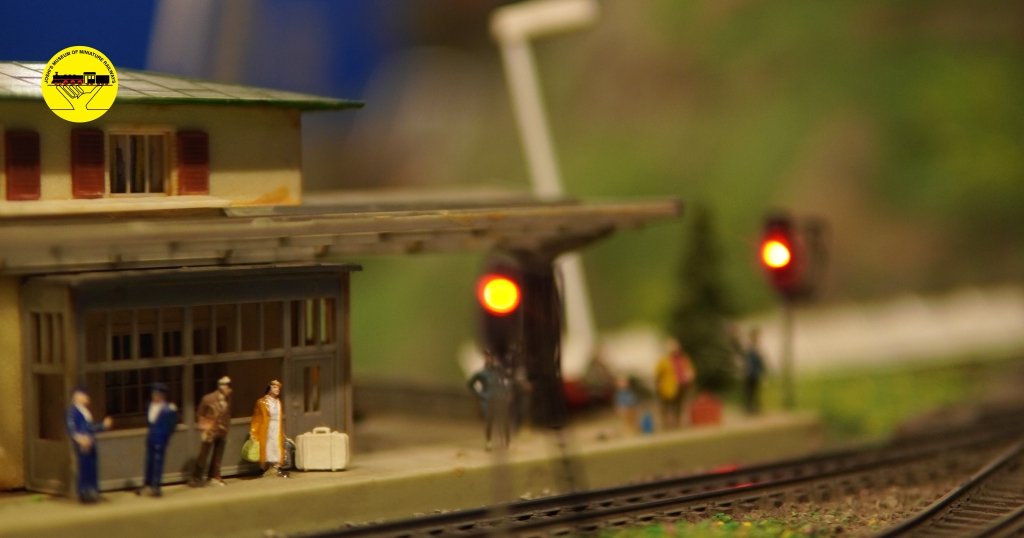
At Joshi’s Museum of Miniature Railways, that same railway feeling comes alive in a different way. Visitors may not be tracking a full-size train across a national network, but they are still following movement. They watch miniature trains pass signals, move through stations, cross bridges and travel through a tiny city.
A real train running status tells you where a train has reached. A miniature railway show lets you watch the journey unfold in front of you.
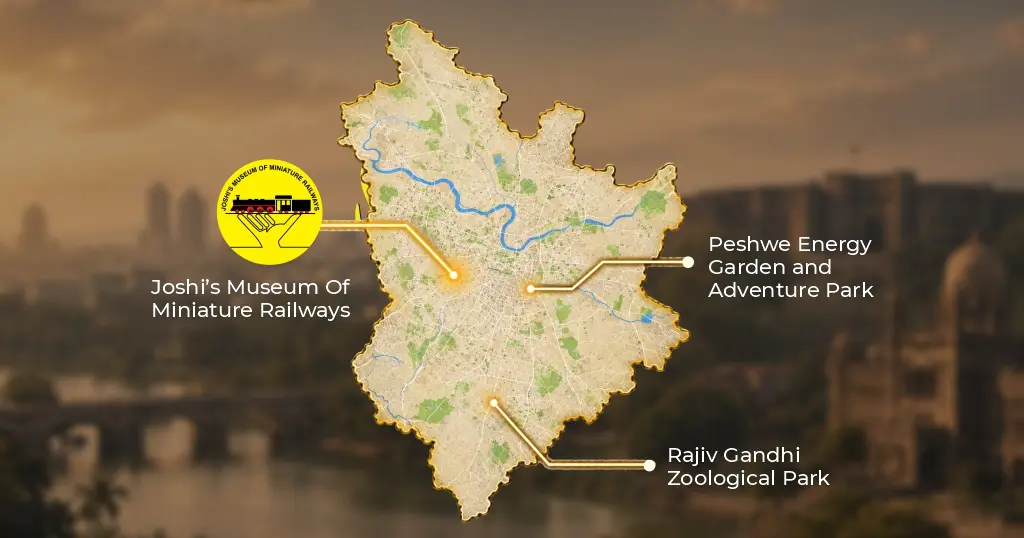
Experience railway movement up close at Joshi’s Museum of Miniature Railways in Pune.
Technology has changed how we track trains, but the charm of train movement has not changed. Whether it is a live map, a station board, a platform announcement or a miniature railway layout, people enjoy following a train’s journey.
There is a natural story in every train movement. A starting point, a route, a delay, a signal, an arrival. That is why trains are so easy to turn into memories. They carry people, but they also carry suspense.
Live train running status is the modern version of an old railway habit: waiting, watching and wondering when the train will arrive.
Discover the vision behind Joshi’s Museum of Miniature Railways.
Live tracking is useful, but railways are best experienced beyond the phone screen. The sound of movement, the rhythm of wheels, the design of tracks and the idea of a journey are what make trains special across generations.
For children, trains are exciting because they move with purpose. For adults, they often bring back memories of travel. For families, they create shared anticipation. That is why railway experiences continue to feel relevant even in a digital world.
At Joshi’s Museum of Miniature Railways, visitors can experience this charm through a working miniature railway world. It is a reminder that trains are not only about transport. They are about movement, timing, engineering, patience and imagination.
Explore Wai: Plan a railway-themed family visit to Joshi Rail Town Wai.
Live train running status has made railway travel easier, smarter and more predictable. It helps passengers check delays, plan arrivals, follow journeys and reduce the uncertainty of waiting. But behind every live update is a long history of railway communication, signalling, control systems and modern data technology.
From telegraph instruments to track circuits, from control rooms to GPS, from printed timetables to mobile apps, the journey of train tracking is also the journey of railways becoming more connected.
Still, the emotional core remains simple. Someone is waiting. Someone is travelling. Someone is about to arrive.
That wait before every arrival is what makes trains so special. Live train running status gives us the update, but the feeling belongs to the journey.
Live train running status shows the current progress of a train during its journey. It may include current location, delay status, expected arrival time, expected departure time and upcoming station information.
Passengers should check live train running status to plan their station arrival, avoid unnecessary waiting, understand delays and track someone’s journey more easily.
Live train running status is useful, but it may not always be perfectly accurate. Train movement can change because of delays, platform changes, signalling restrictions, weather, operational decisions or data update gaps.
Live train tracking can use data from railway control systems, signalling systems, GPS, train detection points, station reports and prediction software to estimate where a train is and when it may arrive.
A timetable shows the scheduled arrival and departure time. Live train running status shows the train’s actual or latest reported movement during the journey.
People check train arrival status to know whether the train is on time, delayed or approaching the station. This is especially useful when receiving family members, guests or friends.
Children and families can visit Joshi’s Museum of Miniature Railways in Pune to experience moving miniature trains, signals, stations, bridges and a detailed railway world.