
Locomotives of India are more than just machines on tracks. They are moving chapters of railway history, each carrying a story of engineering, ambition, and the changing face of the country. At Joshi’s Museum of Miniature Railways, we see this fascination every day. Some visitors are drawn to the elegance of steam engines, some love the raw strength of diesel locomotives, and others are excited by sleek electric engines and modern trainsets. But for every railway enthusiast, knowing the great locomotive classes of India is where the deeper journey begins.
We regard learning about locomotives as making every railway experience richer. Once you understand the major classes, you stop seeing trains as just “old” or “new.” You begin seeing eras. You notice which locomotives defined long-distance travel, which powered freight across the country, and which became symbols of Indian progress. That is why a blog on the Locomotives of India belongs naturally on the JMMR website. Our miniature railway world is built on the same passion for engines, design, heritage, and storytelling.
For a beginner, locomotive codes can look confusing. WAP, WAG, WDM, WDP, YP, WP. But once you understand them, Indian Railway history becomes much easier to read.
In broad terms:
So a WAP-7 is a broad-gauge AC passenger locomotive. A WDM-2 is a broad-gauge diesel mixed-traffic locomotive. A WAG-9 is a broad-gauge AC goods locomotive.
These names are not just technical codes. They are shorthand for major phases in the history of Indian rail transport.
| Locomotive Class | Type | Era | Why It Matters |
| Fairy Queen | Steam | 19th century | One of the earliest and most legendary locomotives linked to Indian railway history |
| WP | Steam passenger | Post-Independence | A classic express steam locomotive and one of the most iconic steam classes in India |
| YP | Steam passenger, metre gauge | Mid-20th century | The face of India’s metre-gauge passenger era |
| WDM-2 | Diesel mixed traffic | Diesel transition era | The most recognisable diesel workhorse of Indian Railways |
| WDP-4 | Diesel passenger | Modern diesel era | One of the most prominent high-speed passenger diesel classes |
| WAG-9 | Electric freight | Modern electrification era | A defining freight locomotive of electrified Indian Railways |
| WAP-7 | Electric passenger | Contemporary era | One of the most important passenger electric locomotives in India today |
This list is not every locomotive ever used in India. It is a practical enthusiast’s starting point, the classes that tell the biggest story.
No serious discussion of the Locomotives of India feels complete without Fairy Queen. It stands at the beginning of the story and represents the earliest age of steam railway culture in India. More than just an old engine, it symbolizes how railways first entered the imagination of the subcontinent.
For railway enthusiasts, Fairy Queen matters because it connects Indian rail history to the earliest era of industrial modernity. It is the reminder that locomotives were once not routine machines, but extraordinary technological events.
At JMMR, we always find that heritage locomotives like this are where curiosity begins. People come in asking about speed and modern trains, but very often leave wanting to know where it all started.
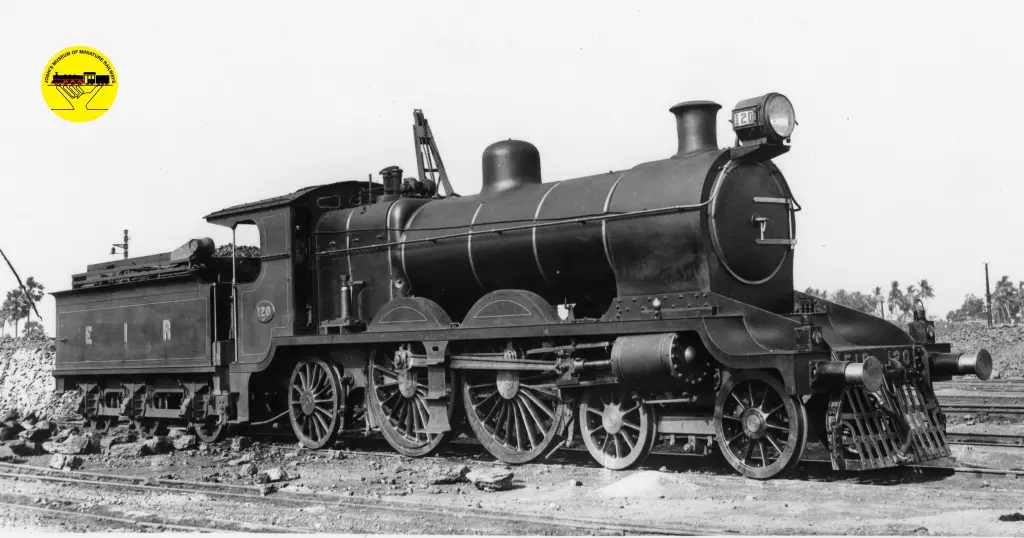
The WP class represents the grand age of broad-gauge steam passenger power. If you want the image of classic Indian express rail travel, the WP is one of the first engines to know. It had elegance, authority, and the kind of visual drama that made steam locomotives cultural icons, not just transport tools.
The YP class, on the other hand, introduces enthusiasts to another side of India’s railway story, the metre-gauge world. Many people outside railway circles forget how important metre-gauge lines once were to India’s rail geography. The YP reminds us that railway history is not only about the main broad-gauge trunk routes. It is also about regional movement, branch lines, and the diverse railway landscapes that once defined travel across the country.
Steam locomotives remain so beloved because they combine mechanics with theatre. They are not only efficient engines. They are visual events. That is why even today, they dominate railway nostalgia.
If steam gave Indian railways romance, the WDM-2 gave them endurance. Few classes have shaped the everyday image of Indian trains as strongly as this one. For decades, it was the locomotive many Indians saw most often, hauling passenger trains, freight services, and everything in between.
The WDM-2 matters because it stands for transition. It marks the shift from steam to diesel, from spectacle to practical modernisation. It is the locomotive of the long middle age of Indian Railways, dependable, widespread, and instantly recognisable.
For railway enthusiasts, this is one of the first diesel classes worth learning because it helps explain how Indian railways modernised at scale. At JMMR, diesel-era fascination is always strong because this is the period many adults still remember personally from stations, crossings, and childhood journeys.
The WDP-4 feels very different from the WDM-2. Where older diesels feel muscular and heavy, the WDP-4 introduced a more modern design language. It represented speed, passenger focus, and a sleeker form of diesel power.
For many enthusiasts, this class is important because it showed that Indian locomotive identity could move away from the older, boxier image of diesel traction and into something more contemporary. It is also one of the best examples of how locomotive culture keeps evolving. Even within diesel history, there are different generations of design and aspiration.
Modern Indian Railways cannot be understood without electric locomotives, and two classes stand out immediately: WAG-9 and WAP-7.
The WAG-9 is essential because it represents heavy freight electrification. It is powerful, practical, and central to the movement of goods across an increasingly electrified network. If you want to understand how modern Indian Railways handles industrial and freight demand, the WAG-9 is a key locomotive class.
The WAP-7 is equally important on the passenger side. For many railfans today, it is the face of premium electric passenger movement. It feels modern, strong, and familiar. It is the kind of engine that defines a current era in exactly the way the WP once defined the steam era or the WDM-2 defined the diesel age.
Together, these two classes tell the story of India’s electric confidence. They are locomotives of efficiency, scale, and the future.
The reason these classes matter is not only that they are famous. It is that each one represents a railway shift:
Once you know these, you start understanding Indian railway history not as one long blur, but as a sequence of changing priorities, technologies, and identities.
That is exactly the kind of thinking we love at Joshi’s Museum of Miniature Railways. A miniature train is never just a miniature train. It belongs to a family, a design tradition, an era, and a larger story.
At JMMR, we are not only displaying railway charm. We are preserving railway curiosity. Blogs like this help extend the museum experience beyond the visit itself. They give enthusiasts, parents, children, and first-time railfans a framework for understanding what they are looking at and why it matters.
The more someone learns about the Locomotives of India, the more meaningful every model, display, and railway discussion becomes. That is how enthusiasm grows. First comes wonder. Then comes knowledge. Then comes lifelong fascination.
Locomotives of India are not just technical categories. They are milestones in the history of movement, industry, and imagination. From the earliest steam legends to the electric powerhouses of today, each class tells a different part of the Indian railway story.
At Joshi’s Museum of Miniature Railways, we believe that every railway enthusiast should know these engines because they make the whole world of trains easier to understand and far more exciting to explore. Learn the locomotives, and you begin to read the railway itself.
1. What are the most important Locomotives of India to know first?
A good starting list includes Fairy Queen, WP, YP, WDM-2, WDP-4, WAG-9, and WAP-7 because together they cover the major eras of Indian railway history.
2. What does WAP or WDM mean in Indian locomotives?
These codes describe gauge, power type, purpose, and generation. For example, WAP means broad-gauge AC passenger, while WDM means broad-gauge diesel mixed traffic.
3. Which locomotive represents the steam era in India best?
The WP class is one of the most iconic examples of Indian steam passenger power, while Fairy Queen represents the earliest heritage side of locomotive history.
4. Which diesel locomotive should every Indian railfan know?
The WDM-2 is one of the most important diesel locomotives in Indian rail history because of its long service and widespread use.
5. Which electric locomotive is most important today?
For passenger trains, the WAP-7 is one of the most important modern classes. For freight, the WAG-9 is essential.