Pune Metro is rapidly becoming the backbone of public transport in the city, connecting key residential, commercial, and educational zones through a modern, efficient rail network. If you’re searching for clear, up-to-date information on Pune Metro routes, timings, ticket booking, and how the system works, this guide covers everything—while also helping you explore Pune’s deeper railway story through Joshi’s Museum of Miniature Railways.
Overview of Pune Metro
The Pune Metro has been designed to reduce traffic congestion, cut travel time, and offer a cleaner alternative to road transport. With a mix of elevated and underground corridors, Pune Metro reflects the city’s growing focus on sustainable urban mobility.
Key highlights:
• Fast, reliable city-wide connectivity
• Modern stations with lifts, escalators, and security systems
• Integration with major transport hubs like railway stations and bus corridors
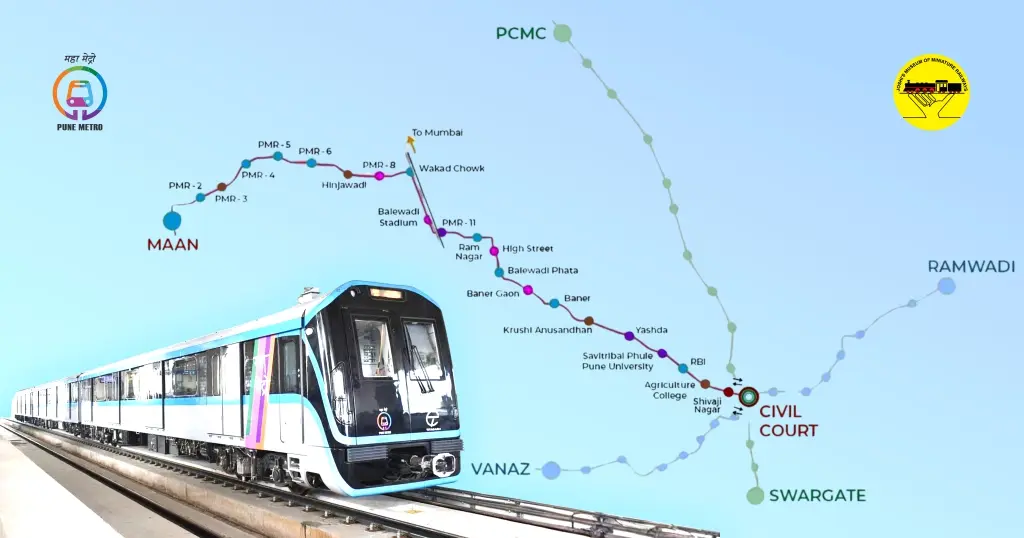
Purple Line (Line 1): PCMC Bhavan – Swargate
This line connects Pimpri-Chinchwad to central Pune, serving dense residential and commercial areas.
Important stations include:
• PCMC Bhavan
• Sant Tukaram Nagar
• Phugewadi
• Shivaji Nagar
• Civil Court Metro Station
• Swargate
Aqua Line (Line 2): Vanaz – Ramwadi
This east–west corridor connects Kothrud to the IT and business districts near Nagar Road.
Key stations include:
• Vanaz
• Nal Stop
• Deccan Gymkhana
• Civil Court (Interchange)
• Pune Railway Station
• Ramwadi
Line 3 (Under Development): Hinjewadi – Civil Court
This upcoming line will significantly improve connectivity to Pune’s IT hub at Hinjewadi.
Pune Metro Timetable
Pune Metro services generally operate:
• Early morning to late evening (6 AM to 11 PM)
• Higher frequency during peak office hours
• Slightly reduced frequency during non-peak hours
Exact timings may vary by line and station, so commuters are advised to check official updates or station notices before travel.
Pune Metro Ticket Booking Options
Ticketing on Pune Metro is designed for convenience and speed.
Available options include:
• Single Journey Tokens – Ideal for occasional travellers
• Metro Smart Cards – Recommended for daily commuters
• Digital Ticketing – QR-based tickets via supported apps
Fare depends on distance travelled, making Pune Metro an economical option for daily travel.
Major Pune Metro Stations People Search For
Some of the most frequently searched metro stations in Pune include:
Pune Railway Station Metro
Seamless connectivity between long-distance trains and metro services.
Shivaji Nagar Metro Station
A crucial stop for offices, colleges, and business districts.
PCMC Bhavan Metro Station
The northern anchor of Pune Metro, serving PCMC commuters.
Understanding Pune Metro Beyond Commuting
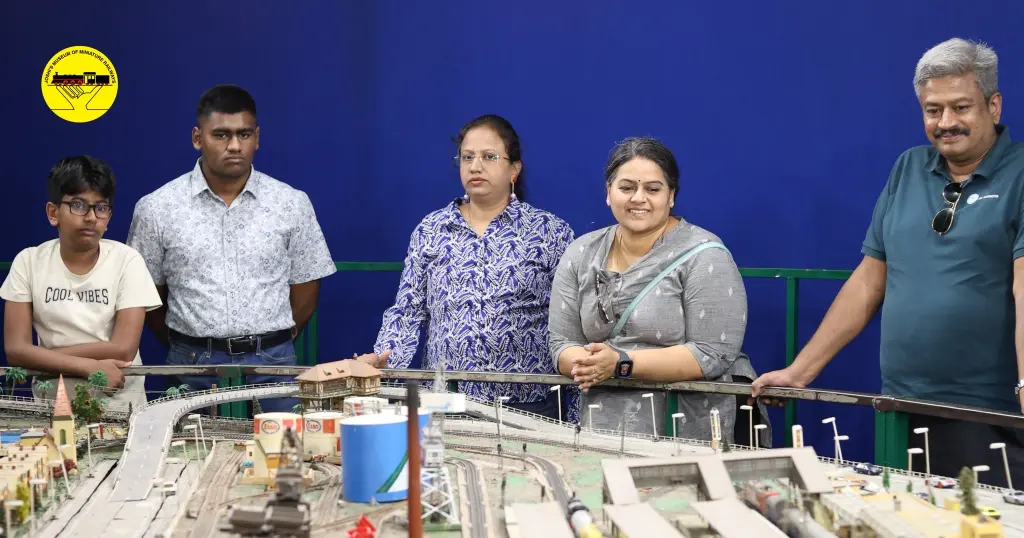
While Pune Metro focuses on moving people efficiently, railways are also about engineering, planning, and history. This is where Joshi’s Museum of Miniature Railways adds immense value.
At the museum, visitors can see:
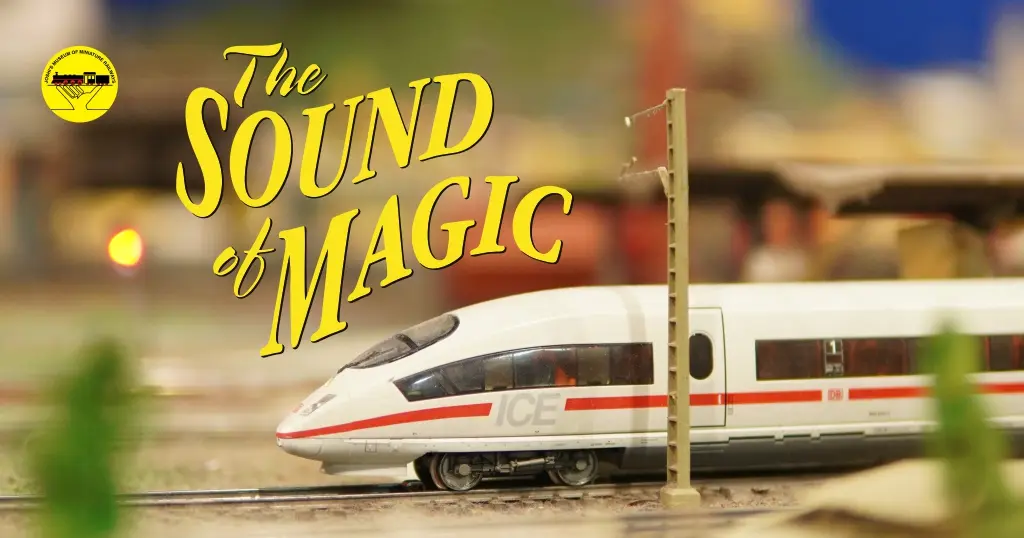
• Working miniature metro-style trains
• Scale models of stations, tracks, and signaling systems
• How urban rail networks are planned and operated
For readers interested in the technical and cultural side of Pune Metro, exploring the museum creates a deeper understanding of how metro systems function.
Pune Metro Static Model by Joshi’s Museum
Every city reaches a moment when it begins to move differently. Pune Metro represents that shift—a city stepping into a faster, smarter, more connected future. This Pune Metro static model captures that feeling in miniature form, celebrating the quiet confidence of modern urban transit and the everyday journeys that shape city life.
Carefully crafted to reflect the sleek character of Pune Metro trains, this model isn’t just a display piece—it’s a symbol of progress. Whether it sits on your work desk, living room shelf, or office reception, it tells a story of movement, design, and a city evolving with purpose.
Perfect for metro lovers, city planners at heart, collectors, and those who simply admire well-designed public infrastructure, this model makes a thoughtful gift and a meaningful keepsake. It’s a reminder of early morning commutes, smooth station halts, and the shared rhythm of a city on the move.
Inspired by the same passion for railways that lives inside Joshi’s Museum of Miniature Railways, a souvenir fridge magnet of the Pune metro is a celebration of the city’s future.
Why Pune Metro Interests Families and Students
Searches for Pune Metro often come from:
• Parents explaining city transport to children
• School groups learning about infrastructure
• Engineering and architecture students
• Train and metro enthusiasts
Joshi’s Museum bridges this curiosity by turning large-scale metro systems into easy-to-understand miniature worlds.
Final Thoughts
Pune Metro is shaping how the city moves today and how it will grow tomorrow. By understanding its routes, timetable and ticketing system, commuters make smarter travel choices. And by exploring the miniature metro models at Joshi’s Museum of Miniature Railways, visitors gain a rare behind-the-scenes look at the engineering and imagination that power modern urban transport.
For anyone searching Pune Metro, this guide—and the museum it connects to—offers both practical information and lasting insight.
Frequently Asked Questions (FAQ)
Is Pune Metro operational?
Yes, Pune Metro services are operational on the Purple and Aqua Lines, with further expansions under development.
What are Pune Metro timings?
Pune Metro typically runs from early morning to late evening, with frequent services during peak hours.
How can I book Pune Metro tickets?
Tickets can be purchased via station counters, smart cards, and supported digital platforms.
Which is the main interchange station in Pune Metro?
Civil Court Metro Station serves as the primary interchange between major metro lines.
Is Pune Metro suitable for children and senior citizens?
Yes, stations are designed with elevators, escalators, seating, and clear signage for accessibility.
Where can I learn how metro systems actually work?
Joshi’s Museum of Miniature Railways in Pune offers working scale models that explain metro operations, signaling, and station design in a visual, engaging way.