
Teacher’s Day field trip ideas should do more than fill a school calendar. The best ones should help students learn something they can actually feel, see, remember, and talk about after the bus ride home. That is why museums still matter. Not as backup plans or “educational outings” in the boring sense, but as places where learning becomes physical, visual, and real. Research and museum education writing consistently show that field trips can improve engagement, deepen memory, and help students connect classroom ideas to lived experience. In one widely cited study discussed by Edutopia, more than 1,000 fourth- and fifth-grade students who participated in culturally enriching field trips showed higher end-of-grade scores, higher course grades, fewer absences, and fewer behavioral infractions than students who stayed in class. The National Endowment for the Arts also notes that museum visits can provide immersive learning experiences, spark imagination, and introduce children to new worlds and subjects.
That is exactly the difference between a trip that merely entertains and a museum that actually teaches. At Joshi’s Museum of Miniature Railways, or JMMR, we believe a field trip should not feel like a pause in learning. It should feel like learning suddenly becoming easier to notice.
A strong educational museum is not just a place with facts on walls. It is a place where students can make connections. Education writers increasingly stress that museum field trips work best when students have agency, questions, and something concrete to observe rather than simply pass by. Edutopia’s museum field-trip guidance emphasizes active observation and student-led noticing as key to deeper learning.
That is important because schools today are not only teaching content. They are also teaching:
Museums that “actually teach” usually do three things well. They hold attention. They make abstract ideas visible. And they give teachers something to talk about before and after the visit. JMMR fits naturally into that model because miniature railways are not just visually exciting. They are full of lessons hiding in plain sight.
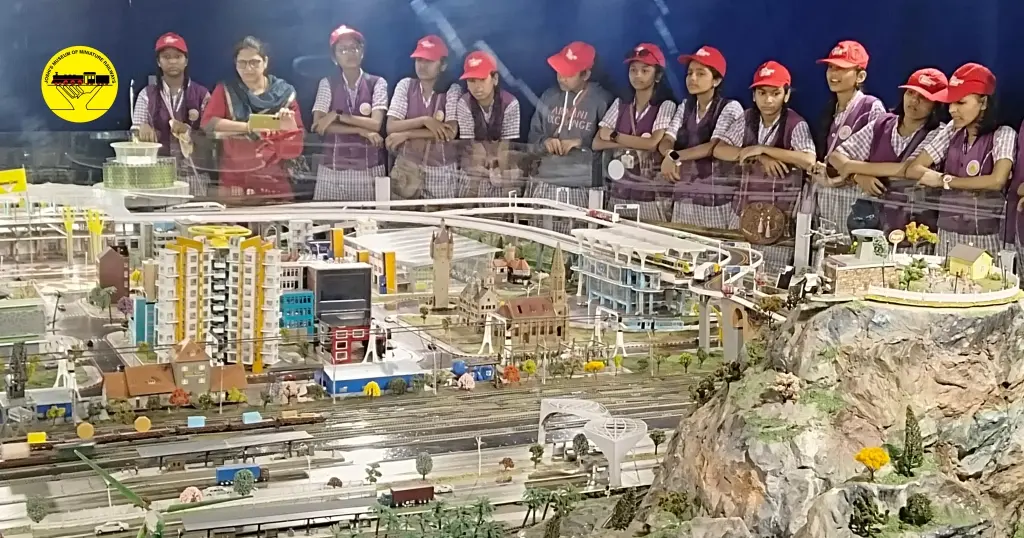
At first glance, students come to Joshi’s Museum of Miniature Railways for the trains. And that is perfectly fine. Wonder is often the beginning of learning. But once the show begins, the museum opens up into something much richer. A miniature railway is not just a train running on a track. It is a tiny system built from electricity, motors, signalling, movement, timing, scale, architecture, roads, scenery, and planning.
That means a school group can naturally encounter ideas from several subjects at once:
This is one reason JMMR works so well as a school visit. The museum does not divide knowledge into neat subject boxes. It lets students see how different forms of knowledge meet each other in one tiny moving world.
Museums that involve movement have a major advantage. Students tend to remember what they actively follow, not just what they read once and forget. Brookings and NEA-linked education research around arts and cultural field trips has repeatedly highlighted that real-world educational experiences can support both academic and social development.
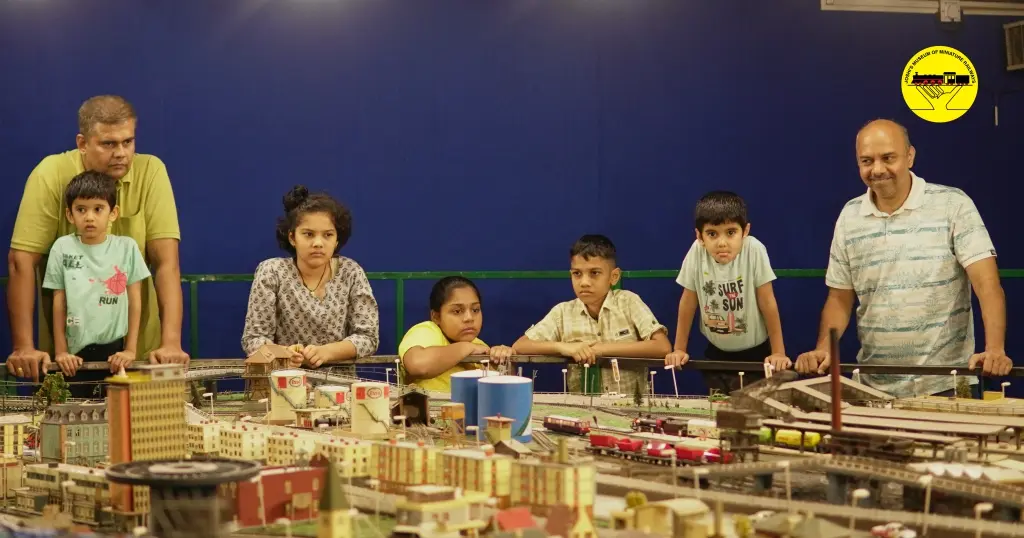
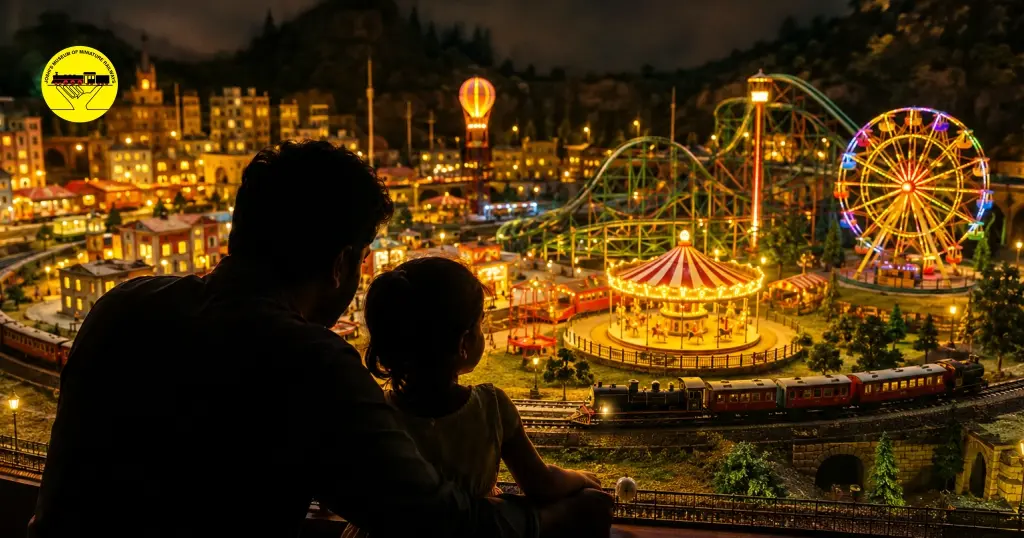
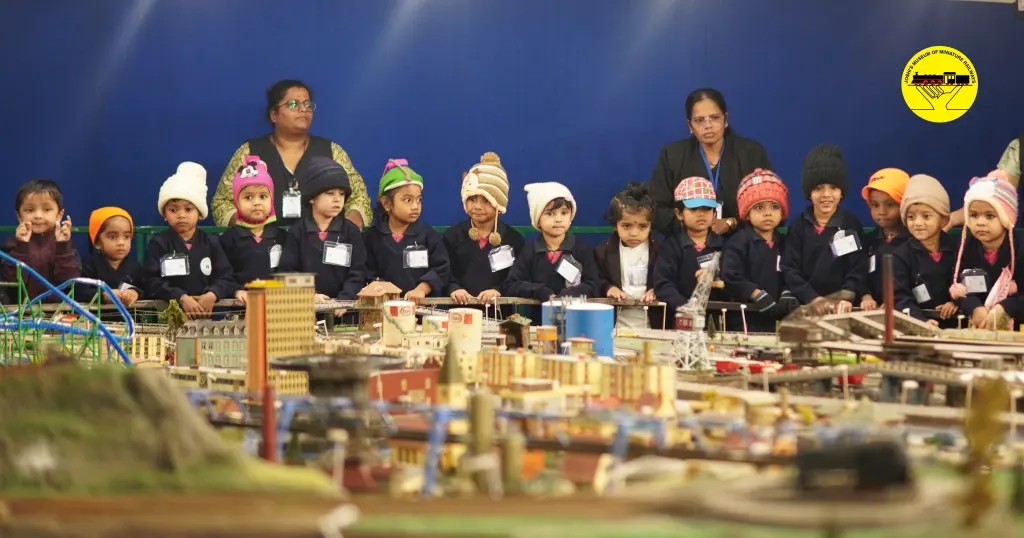
At JMMR, movement is built into the experience. The miniature city is alive. Trains move. Lights shift. Scenes transition. Signals matter. Students are not looking at dead objects behind glass and trying to imagine what they once did. They are watching a system function. That changes attention immediately.
For teachers, this is useful because moving systems invite questions automatically:
The best school trips are often the ones where the teacher does not need to force curiosity. The setting does it for them.
Teacher’s Day is also a good moment to acknowledge something obvious but important. Great field trips do not only help students. They help teachers teach better. A museum visit gives teachers a shared visual reference they can return to later in class. Instead of explaining scale, systems, energy, transport, or design in abstract terms, they can say, “Remember what you saw at JMMR?” and the room immediately has something concrete to hold onto.
This is why school-trip planning should not be treated as an extra. It should be seen as part of teaching strategy. JMMR’s own school-visit pages already frame the museum as a place where curiosity leads learning, with school group visits, educational value, and museum storytelling designed to work for students. The museum’s recent school-trip content also notes that Pune schools often use JMMR for educational visits, with special school group rates and morning slots.
That makes the visit practical as well as meaningful. Teachers are not only choosing a place students will enjoy. They are choosing a place that supports the logistics of school visits too.
In a screen-heavy world, students are constantly shown information. What they get less often is the chance to stand inside a system and watch it operate. That is where museums still have enormous value. They slow students down just enough to help them notice how things relate to one another.
At Joshi’s Museum of Miniature Railways, that relationship-building is everywhere. A train is linked to a signal. A signal is linked to movement. A road is linked to a station. Scale is linked to realism. Lights are linked to atmosphere. Students can begin to understand that engineering and storytelling are not opposites. Good systems often need both.
That wider lesson matters. A museum that actually teaches is not only giving students facts. It is showing them how the world is built.
There are many museums students can visit. But not all museums translate equally well into school energy. Some are too passive. Some are too text-heavy. Some ask children to be interested before they have given them a reason. JMMR works differently. It gives students a reason first.
The official JMMR site describes the museum as one of Pune’s unique attractions with interactive displays and miniature trains, and the Pune museum page highlights the live 25-minute show. That combination matters because it gives school groups something structured, visual, and memorable without making the visit feel stiff.
For Teacher’s Day, that makes JMMR more than a nice outing suggestion. It makes it a meaningful tribute to what great teachers actually do every day: take complex ideas and make them easier to see.
Teacher’s Day field trip ideas should not be chosen only because they are “good for students.” They should be chosen because they help teaching feel alive. The strongest museums do not replace the classroom. They strengthen it. They give teachers better examples, better conversations, and better memory hooks.
That is why Joshi’s Museum of Miniature Railways belongs in this conversation. At JMMR, students do not only watch trains. They encounter systems, scale, motion, design, infrastructure, and curiosity all at once. And for teachers, that is one of the best possible outcomes of a field trip: students leaving with more questions than they came in with.