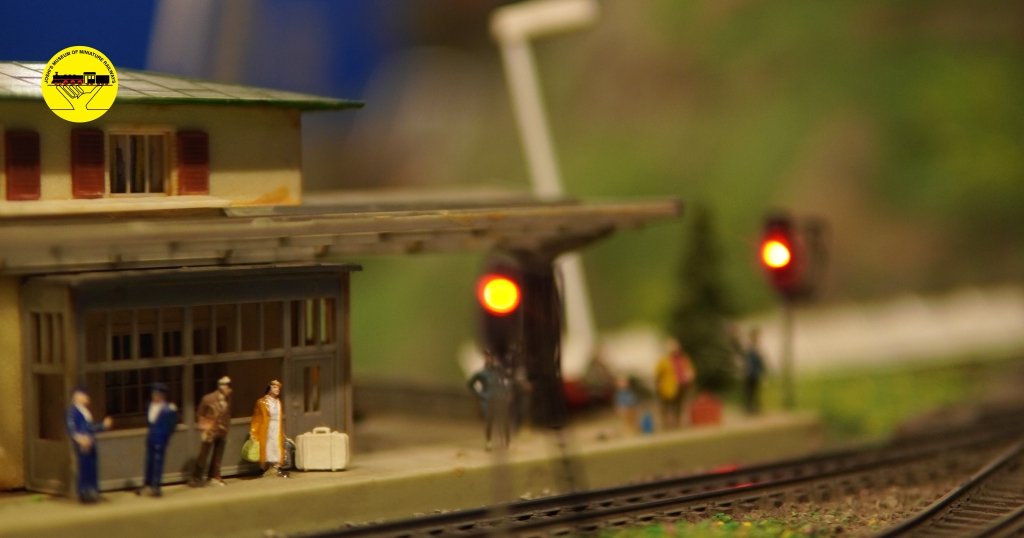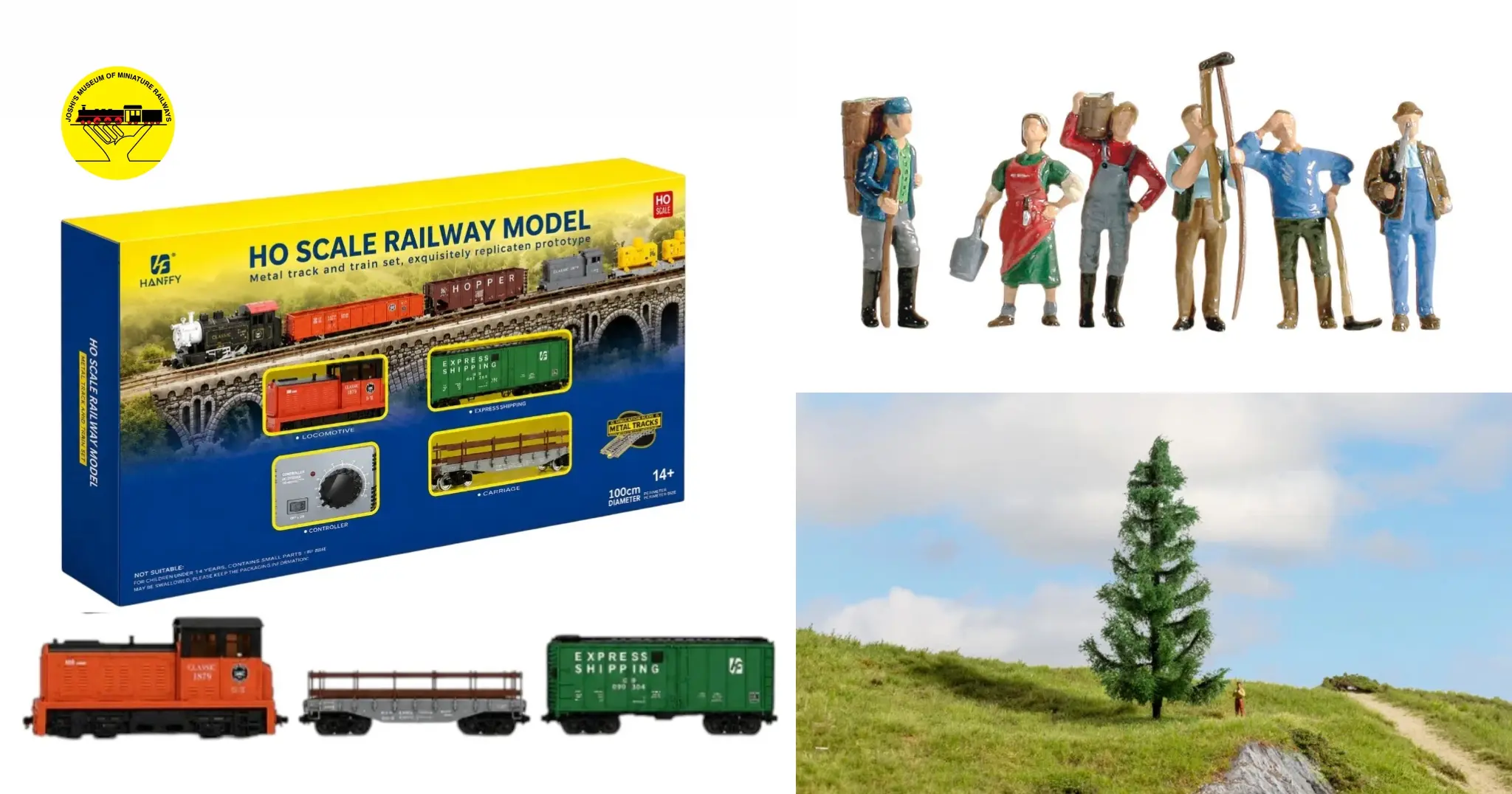

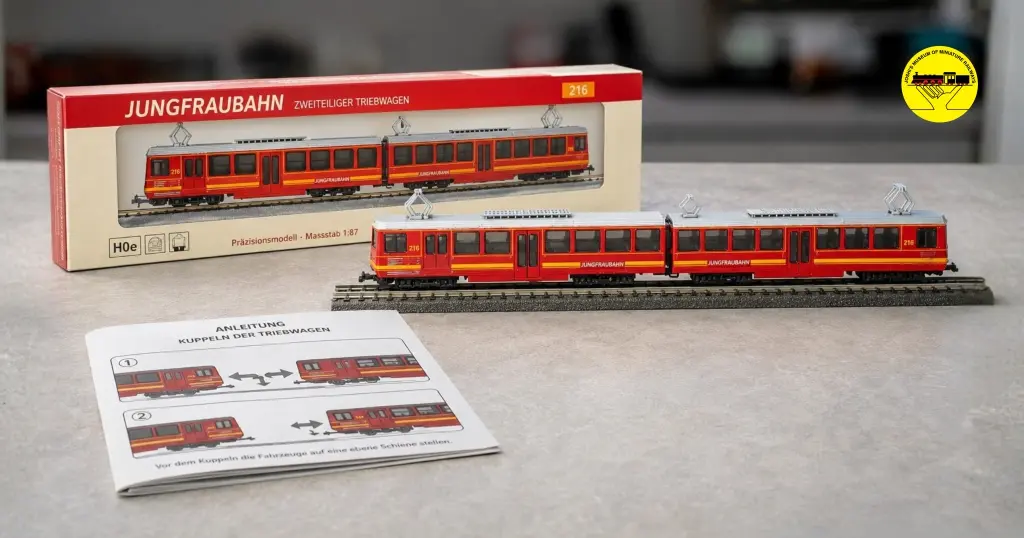
How miniature railways work is one of the most common questions we hear at Joshi’s Museum of Miniature Railways. Children walk into JMMR, watch tiny trains move through stations, bridges, lights, roads, and signals, and almost immediately ask the best possible question: How is all this actually working? That curiosity is exactly why miniature railways are so special. They are not just fun to watch. They are little worlds powered by real ideas from science, engineering, design, and imagination.
At Joshi’s Museum of Miniature Railways, we love that a child can come for the excitement of moving trains and leave with their first real interest in how systems work. A miniature railway may look playful, but it depends on real principles: electricity, motors, track design, scale, control, and timing. At JMMR, those ideas are not explained only through words. They are right there in front of you, moving.
The easiest way to understand a miniature railway is this: it is a small version of a real railway system. The trains may be tiny, but the logic is serious. A power source sends electricity to the rails. The train picks up that electricity through its wheels. Inside the locomotive, a small motor changes that electrical energy into movement. The wheels turn, and the train begins to travel.
So the basic chain looks like this:
That is why model railways feel magical to children. They are tiny enough to seem like toys, but real enough to show how machines and systems actually work. At Joshi’s Museum of Miniature Railways, children can see this happening in a complete little city rather than on a plain circle of track, which makes the science easier and more exciting to understand.
Inside most miniature trains is a very small electric motor. An electric motor is a machine that uses electricity to create movement. In simple terms, the motor takes in electrical energy and turns it into spinning motion. That spinning motion is passed to gears and axles, which then turn the train’s wheels.
For children, it helps to imagine the motor as the train’s “muscle.” Electricity is the energy, and the motor is the part that uses that energy to make the train go. Without the motor, the train would just sit there looking pretty.
This is also why trains need maintenance. If the wheels get dirty or the electrical connection becomes weak, the train may slow down or stop. At JMMR, one of the hidden lessons behind the fun is that even tiny machines need care, cleaning, and precision.
A lot of children assume the train should just fall off, especially when it goes around curves. But train wheels are designed differently from car wheels. They are shaped to fit the rails. Most train wheels have a small inner lip, called a flange, that helps guide them along the rail and stops them from slipping off easily.
The track matters too. It is carefully spaced so that the wheels fit correctly. That means the train and the track are designed as a pair. One works because the other exists in exactly the right size and position.
This is a wonderful first lesson in engineering for kids. Things do not work by accident. They work because different parts are designed to work together.
At Joshi’s Museum of Miniature Railways, this idea becomes visible in a very enjoyable way. Children may not use the word “precision,” but they understand it when they see a train travel smoothly through a tiny world full of turns, crossings, and stations.
At JMMR, the trains are only one part of the attraction. There are also signals, lighting effects, roads, city scenes, and other details that help the whole layout feel alive. All of these things depend on wiring, planning, and control systems.
In a miniature railway, electricity is not just for trains. It can also power:
This is where miniature railways become more than a hobby. They become miniature engineering environments. A layout is really a group of systems working together at once. That is one of the reasons Joshi’s Museum of Miniature Railways fascinates both children and adults. Kids see wonder. Adults begin to notice design, timing, and coordination.
Because it is built like a world, not just like a toy.
A realistic miniature railway needs more than trains. It needs scenery, buildings, roads, bridges, trees, signals, platforms, tunnels, and people-sized logic in miniature form. Even when children do not realise it, they are reading those details. They can tell when a railway looks like a city, a mountain route, or a station area because the scenery gives them clues.
This is one of the most beautiful things about JMMR. The railway is not floating in empty space. It belongs to a world. That makes the layout easier to understand and more exciting to watch. Children are not just following trains. They are exploring a whole tiny place.
That is also where scale becomes important. Scale means keeping everything in proportion. If the train is tiny but the tree is too large, the illusion breaks. If the station is too small for the train, it feels wrong. A great miniature railway makes everything feel as though it belongs together. At Joshi’s Museum of Miniature Railways, that feeling of belonging is what makes the layout so memorable.
Not exactly.
Some miniature train sets are simple and made for beginners. Others are highly advanced and include more detailed control systems. Basic layouts often use a simple controller that changes the speed of the train by changing the electrical power going into the track. More advanced layouts can use digital systems that allow much finer control and multiple trains working in more complex ways.
For children, the important thing is not memorising technical names. It is understanding that miniature railways can grow with you. A child can begin by loving the movement. Later, they can begin asking about motors and signals. After that, they may get interested in building, wiring, collecting, or designing layouts of their own.
That is why Joshi’s Museum of Miniature Railways matters beyond entertainment. JMMR can be the beginning of a hobby, a school project, an engineering curiosity, or even a lifelong passion.
Children are naturally drawn to miniature railways because they combine three things kids already love:
Trains start, stop, turn, and travel. Motion is always exciting.
Miniatures make children feel like giant explorers looking down into another universe.
How does it move? Why does it stop there? Who changes the signals? Why is that bridge so small? Miniature railways are question machines, and that is a wonderful thing.
At JMMR, those three things come together beautifully. The layout is entertaining enough to hold attention, but detailed enough to spark real curiosity. For parents and teachers, that makes Joshi’s Museum of Miniature Railways a rare kind of outing: one that feels fun and educational at the same time.
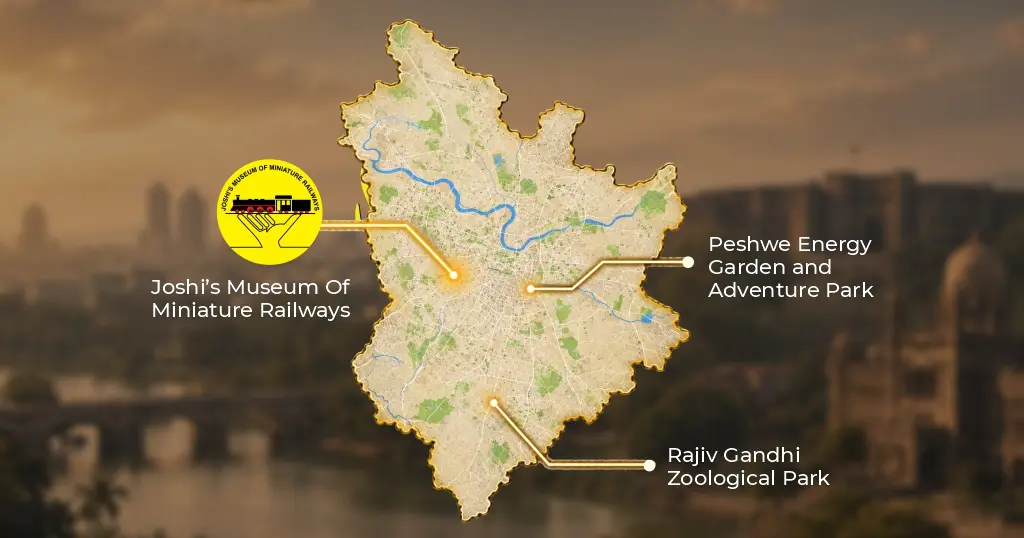
One of the exciting things about Joshi’s Museum of Miniature Railways is that visitors can experience this world in more than one setting. Our Pune museum offers the fuller, classic JMMR experience, with a longer show and the feeling of stepping into a complete miniature city. Our Wai museum gives families another way to enjoy the charm of miniature railways in a shorter and more relaxed format.
That means children can experience the same core magic in two different rhythms:
This is especially useful for families who want to introduce children to miniature railways in different ways. Whether it is your first visit or your fifth, JMMR keeps finding new ways to make children look closer.
A miniature railway teaches more than most people expect. Without feeling like a classroom, it introduces children to:
When a signal changes and a train moves, a child is seeing a system respond. When a train follows a curve without falling off, they are seeing design in action. When they notice that the buildings, roads, and trains all match one another in size, they are seeing scale. These are real scientific and engineering ideas, only presented in a form that feels playful rather than intimidating.
That is one of the reasons Joshi’s Museum of Miniature Railways means so much to families. At JMMR, science is not separated from delight. It is built into it.
How miniature railways work may sound like a technical question, but for children it is really an invitation to wonder. A tiny train moves, and suddenly a child wants to know about electricity, wheels, tracks, motors, signals, and design. That is the kind of curiosity we love to see at Joshi’s Museum of Miniature Railways.
At JMMR, miniature railways are not only displays. They are living examples of how small systems can explain big ideas. They show children that science can be visual, engineering can be beautiful, and learning can begin with something as simple as watching a train go by.
So the next time you visit Joshi’s Museum of Miniature Railways, listen closely. Right after the excitement, there is almost always a question. And usually, it begins like this: How does it work?