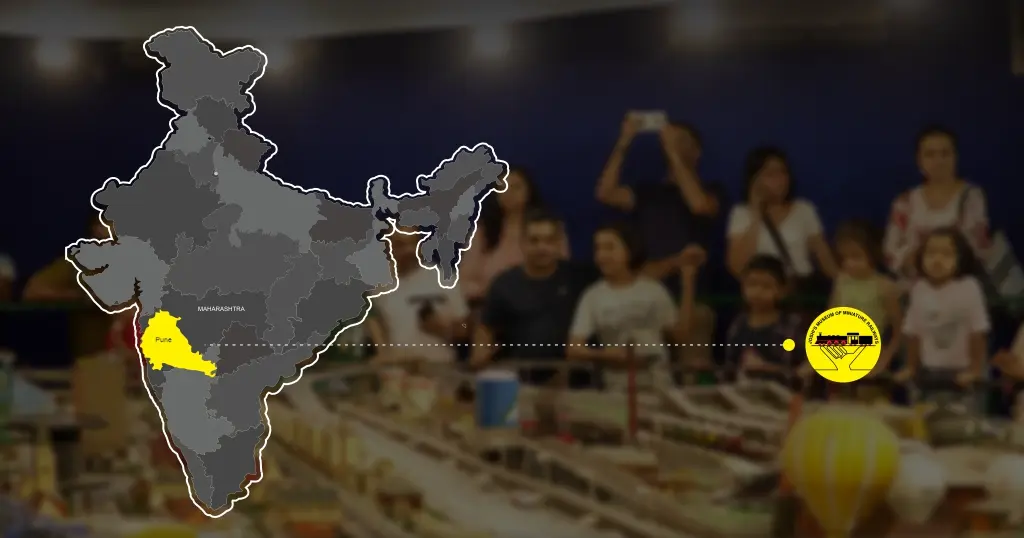
India’s railway story is vast — from the steam-era locomotives of the 19th century to today’s sleek Vande Bharat and bullet train ambitions. But few places bring that story alive in miniature quite like Joshi’s Museum of Miniature Railways in Pune.
For decades, this modest museum in Kothrud has attracted travelers, engineers, and dreamers. Its moving cityscape of trains, cars, bridges, and airports has made it one of India’s most unique attractions — and an unexpected global showcase for the art of model-train making.
India’s Model-Train Revival
The idea of building miniature railways isn’t new to India, but until recently it was a niche passion. Enthusiasts depended heavily on imported European models. Over the last decade, however, a quiet revolution has taken shape.
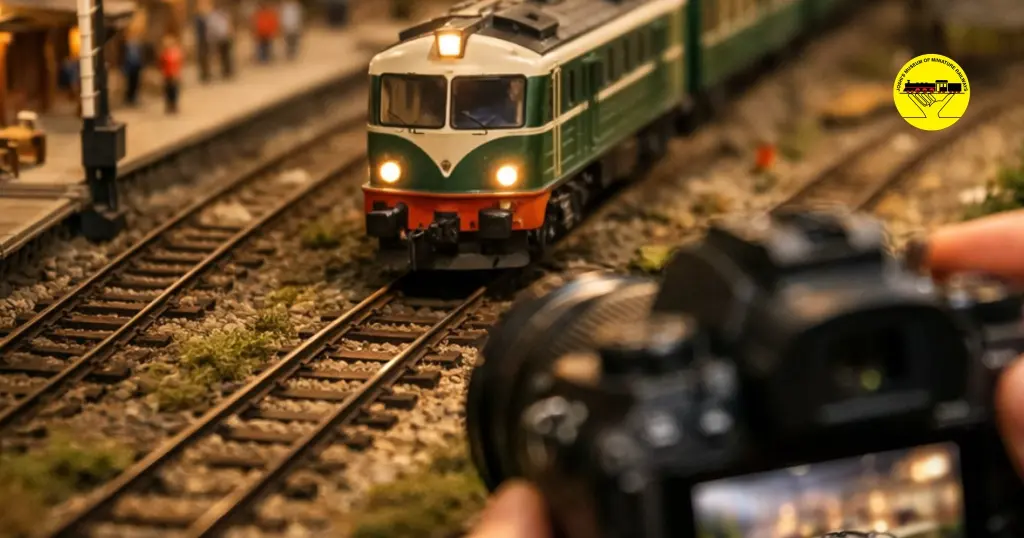
Indian makers such as Precision Model Works in Chennai and Model Railway Works in Kolkata have started producing HO and O-scale Indian locomotives with authentic liveries and chassis details. These aren’t toys; they’re collector-grade replicas comparable to established international brands.
Retailers like Trains4U India now sell ready-to-run locomotives, rolling stock, and kits for hobbyists who once relied entirely on imports. Online forums and communities like “Model Railways India” on Facebook and Reddit have grown into thriving ecosystems, uniting collectors from Mumbai, Delhi, Pune, and even abroad.
This growing industry has given Indian model-rail enthusiasts something they long lacked: access, affordability, and representation. The locomotives are finally Indian in design, origin, and pride.
Joshi’s Museum: More Than a Local Attraction
At the center of this movement stands Joshi’s Museum of Miniature Railways, which has done for Indian model trains what the Rail Transport Museum in Delhi did for full-scale locomotives: it legitimized them.
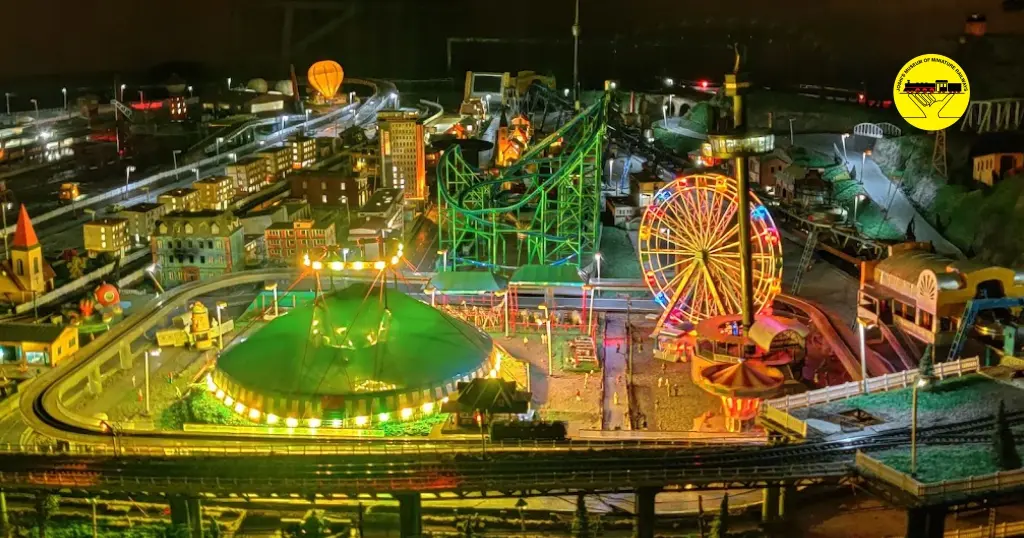
Inside a compact hall in Kothrud lies an entire city in motion — mountains, bridges, rivers, tunnels, roads, and runways. Trains glide through stations, airplanes take off, lights dim from dawn to night, and synchronized sound fills the air. It’s not just a model; it’s a living story, precisely choreographed through an in-house-built computer control system.
Each show lasts about 25 minutes and runs multiple times a day. What makes it remarkable is not only its artistry but also its engineering credibility: over a kilometer of wiring, local network-based controllers, and seamless automation designed by the museum’s curator, Ravi Joshi.
For visitors, it’s entertainment. For hobbyists, it’s an advanced reference layout — a masterclass in scale modeling and electrical precision.
Putting India on the Global Hobby Map
Globally, countries like Germany, Japan, and the UK dominate the model-train industry. Indian layouts were once rare at exhibitions. But that is changing.
Joshi’s Museum has been featured in international travel vlogs, hobby magazines, and online forums, praised for its scale, automation, and storytelling. Its presence has given international collectors a reason to look toward India not only as a rail destination but as a place where miniature railways are engineered with heart and technical mastery.
Foreign visitors often describe the museum as a “hidden gem that rivals European model shows.” This perception matters — it places Indian craftsmanship alongside brands like Märklin, Bachmann, and Kato in global conversations.
The People Behind the Passion
Behind this growing scene are individuals whose dedication goes beyond display. In cities like Bengaluru and Mumbai, private collectors have built sprawling home layouts, some stretching over 500 square feet.
In online forums, Indian hobbyists document everything from 3D printing station signs in Devanagari script to repainting European locomotives into WAP or WDM-series Indian prototypes. Workshops by Precision Model Works have trained dozens of hobbyists in customizing rolling stock. The result: a professionalized community slowly taking shape across the country.
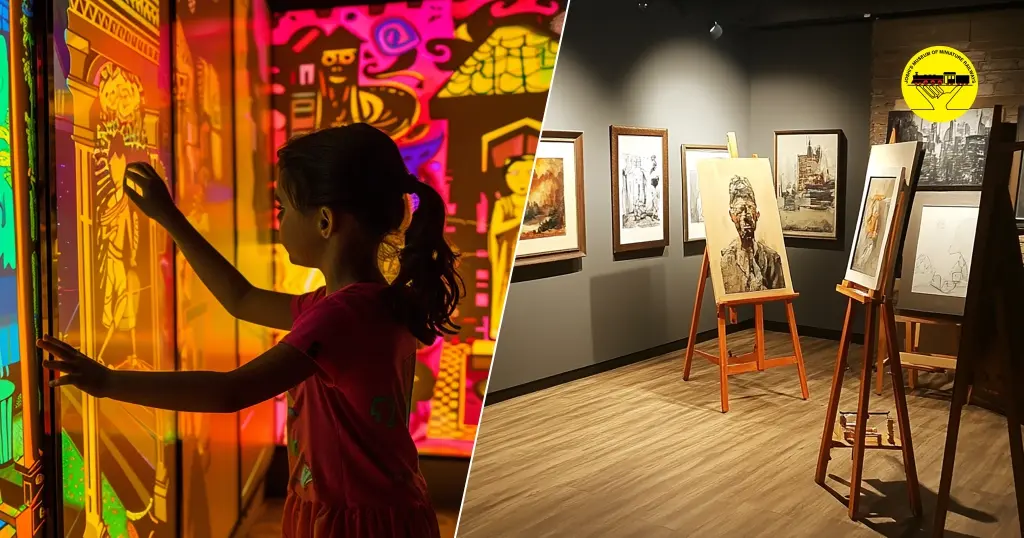
Joshi’s Museum often becomes the meeting point for these enthusiasts. Engineers, artists, and students visit not only to watch but to learn — how the lighting synchronizes, how motion is programmed, and how a layout can remain operational for decades with constant upgrades.
The Wai Expansion: Taking the Vision Forward
The success of the Pune museum led to an extension — a newer branch in Wai, Maharashtra. While the Kothrud setup focuses on immersive storytelling, the Wai location offers a relaxed, leisure-oriented experience.
The Wai branch demonstrates the scalability of the concept: smaller show duration, simpler controls, but the same sense of wonder. Together, the two museums show how Indian miniature railways can exist both as education and entertainment, appealing to families and enthusiasts alike.
The Collector’s Dream: Shop and Take Home a Piece of the Journey
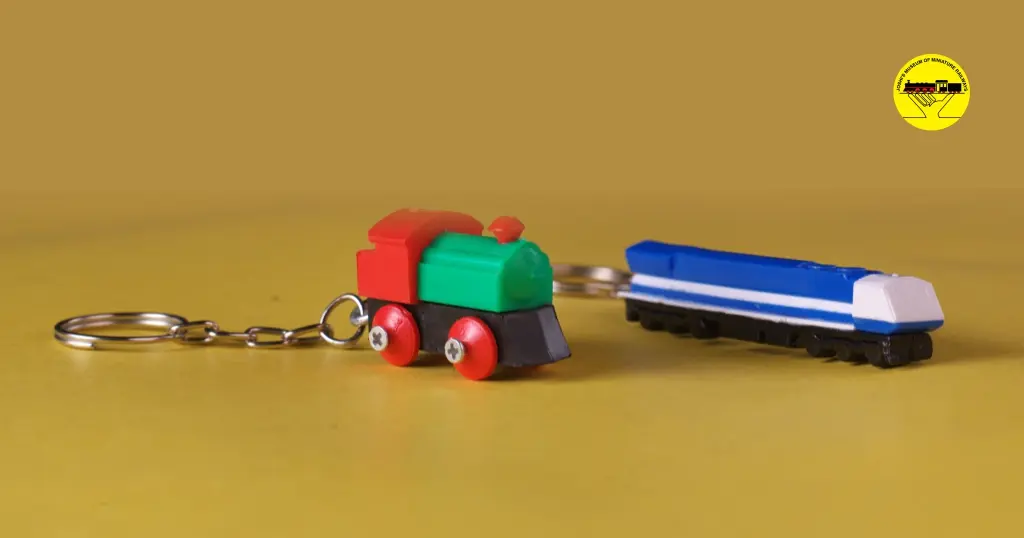
For travelers inspired to bring home a slice of the magic, Joshi’s Museum operates a dedicated Shop for Miniature Models and Souvenirs.
Here, visitors can buy small railway-themed keepsakes, model accessories, and limited-edition replicas inspired by the museum’s layout. Each product is locally designed and assembled, helping sustain India’s growing model-rail ecosystem.
Whether you’re a first-time visitor or a seasoned collector, browsing through the shop feels like extending the story — you can carry a piece of India’s miniature railway heritage with you.
A Broader Cultural Symbol
Miniature railways aren’t just about nostalgia; they reflect India’s evolving relationship with technology and creativity. They bring together art, mechanics, and narrative in a form that is tactile and enduring — something our hyper-digital lives often miss.
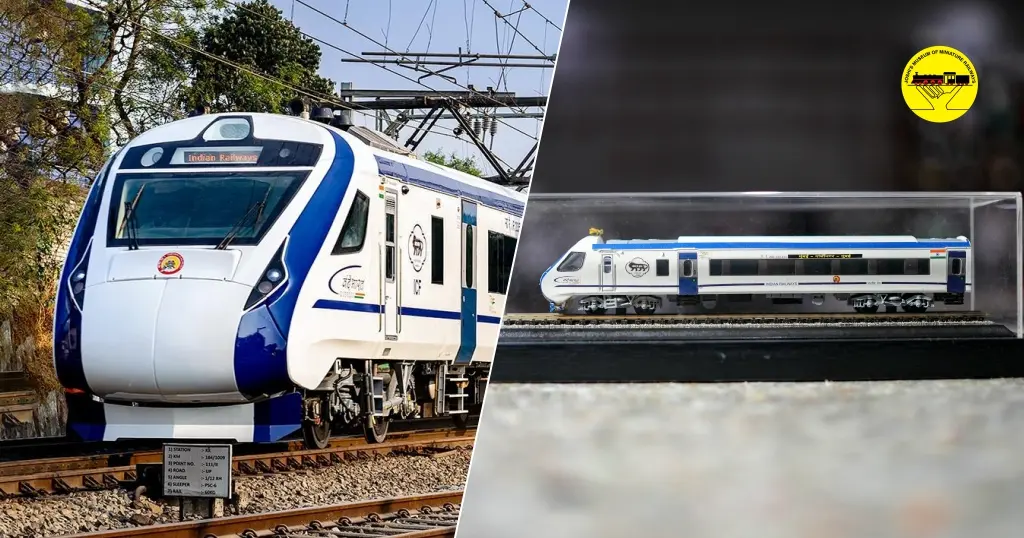
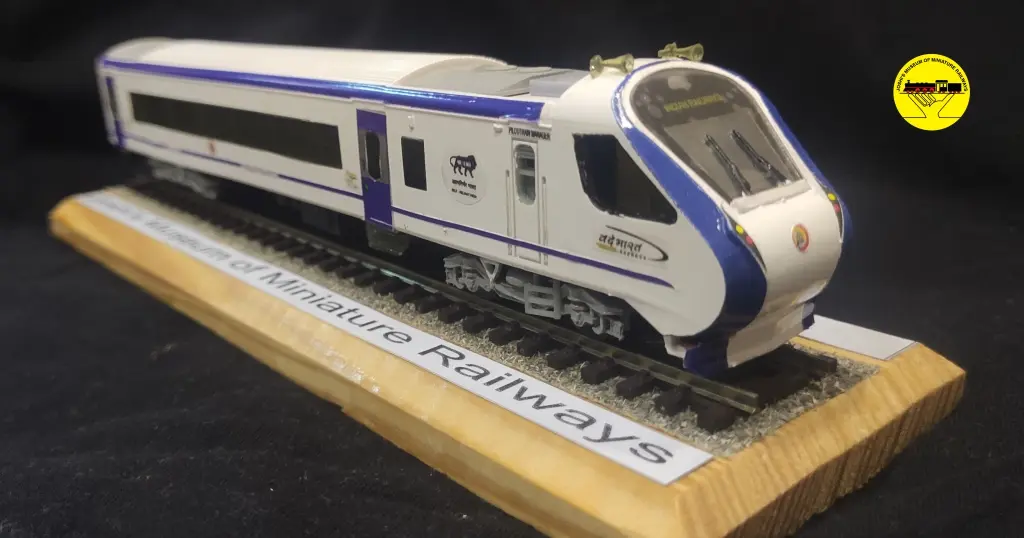
As India modernizes its real railways with bullet trains and Vande Bharat Express, its miniature railways mirror that journey in scale. Joshi’s Museum becomes a metaphor: a reminder that progress can be both imaginative and hands-on.
The museum doesn’t just represent Pune or Maharashtra. It represents India’s capacity to blend craftsmanship and engineering, passion and precision, tradition and modernization — all on a tabletop that moves.
Conclusion
For train lovers, Joshi’s Museum is more than a stopover — it’s India’s statement to the world that model railways here are serious art, serious engineering, and serious joy.
From local craftspeople creating hand-painted trains to collectors meticulously building layouts, the country is quietly claiming its place on the global railway-model map. And at the heart of that journey, in a cozy corner of Kothrud, the miniature city at Joshi’s Museum continues to run, whistle, and inspire.
Sources & References
- Joshi’s Museum of Miniature Railways – Official Website: https://minirailways.com
- Precision Model Works (India): https://precisionmodelworks.co.in
- Model Railway Works (Kolkata): https://modelrailwayworks.com
- Trains4U India – Model Train Retailer: https://trains4u.in
- Wikipedia – Joshi’s Museum of Miniature Railways: https://en.wikipedia.org/wiki/Joshi%27s_Museum_of_Miniature_Railway