
Model railway accessories are often where a layout stops looking like track on a board and starts feeling like a world. For anyone searching how to build a realistic train layout, the answer is rarely “buy a bigger locomotive.” It is almost always in the small things: signals, end-of-line details, the way track curves through space, the quiet visual rhythm of sleepers, posts, trees, and structures. Joshi’s Museum of Miniature Railways understands this deeply. The museum may be known publicly for its moving displays in Pune and Wai, but its shop also speaks to hobbyists who want to build believable layouts of their own, one small component at a time.
This is where model railways become anthropological as much as technical. Real railways are never only trains. They are warning systems, stopping systems, track geometry, maintenance logic, and the many visual cues that tell us a railway belongs to a certain place and culture. In miniature form, accessories carry that same burden. A signal tells you how a railway thinks. A buffer stop tells you where motion ends. A flex track section tells you how a line bends through land instead of fighting it. These are not just add-ons. They are the grammar of the railway world.
Most beginners start with engines and coaches because those are the emotional centre of the hobby. That makes sense. But what often separates a starter set from a convincing layout is everything around the train. In real life, railways are legible because the environment is full of clues: red, yellow, and green aspects; sleepers and rails adjusting to terrain; stopping points at terminals and sidings; trees, buildings, embankments, and roads telling you whether the line is urban, industrial, rural, or mountainous.
In miniature, accessories perform the same work. They create realism, but they also create narrative. The best layouts do not merely show a train going in circles. They suggest systems, consequences, destinations, and geography. That is why hobbyists gradually move from buying rolling stock to curating worlds. Joshi’s product range supports exactly that progression through accessories and track components meant for builders, not just collectors.
One of the most revealing railway objects ever invented is the signal. Before colour-light signals became standard, many railways relied on semaphore arms, mechanical devices that could be elegant but had limitations, especially at night or in poor visibility. Britannica notes that semaphore signalling emerged in the 1840s and was later superseded by colour-light systems using electric lights and coloured filters or lenses. Over time, three-aspect and four-aspect colour-light signalling became central to modern railway operation because they gave clearer, more consistent indications of stop, caution, and proceed.
That history matters for a hobbyist because signals are one of the fastest ways to make a layout feel authentic. An Indian Railway-style signal does not just look good. It changes how the viewer reads the scene. It implies movement control, block sections, waiting, and discipline.
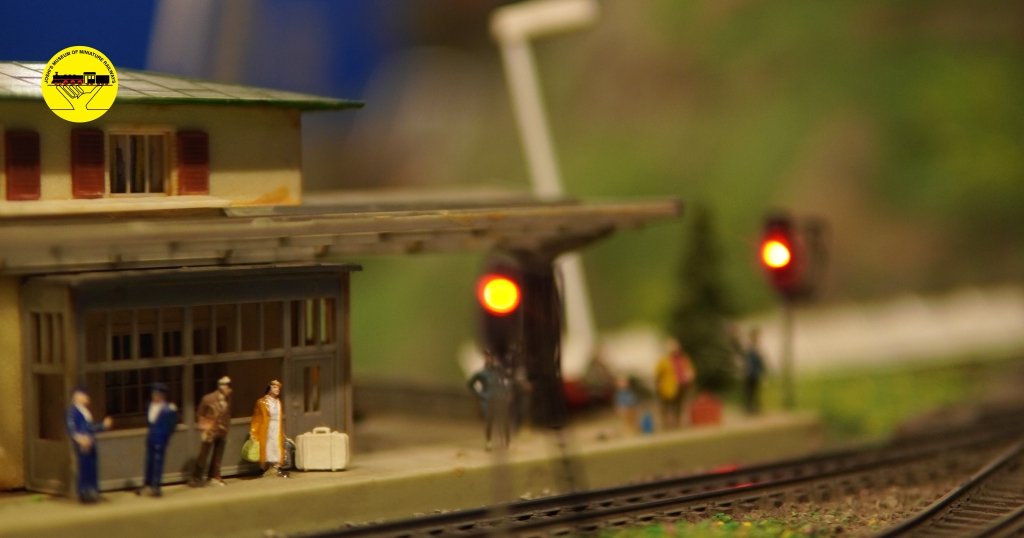
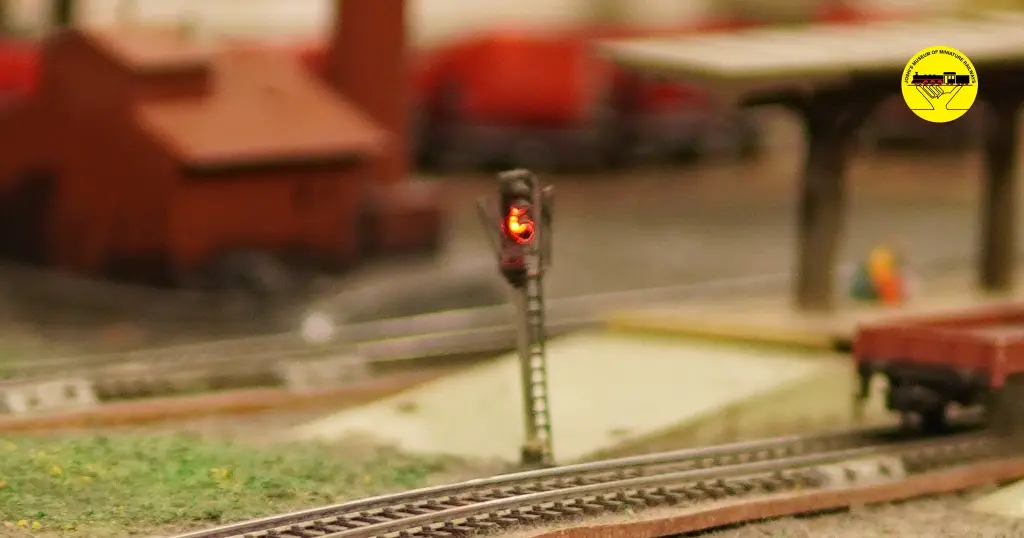
That is what makes the H0 Colourlight Signal 3 Asp IR such a useful accessory. Joshi’s describes it as a three-aspect H0 scale colour-light signal based on Indian Railways design, showing green, yellow, and red. In practical layout terms, it brings Indian railway logic into miniature form. In cultural terms, it brings a familiar visual language to the scene. It is a small object, but it instantly localises the layout and gives it operational seriousness.
If signals are about permission, buffer stops are about limit. They sit quietly at the ends of sidings, bay platforms, and dead-end tracks, but they carry a strong message: the railway ends here. In real railways, the need for stopping protection at terminal ends is obvious, and buffer stops evolved into highly recognisable objects across different systems. Historical signalling references note that even buffer stop lighting became standard in many regions, underlining how important these end markers were for safe and visible operation.
What makes buffer stops so interesting anthropologically is that they are humble but symbolic. They mark the edge of organised movement. On a full-size railway, they prevent overruns. On a miniature layout, they prevent visual laziness. They tell the viewer that the builder has thought about where trains are stored, where they terminate, and how space is structured beyond the mainline loop.
That is why the Buffer Stop deserves more attention than it usually gets. Joshi’s product page describes it as a durable wooden plank bumper designed for straight rail installation. But in layout storytelling terms, it is much more than a bumper. It helps transform spare track into a platform road, a yard stub, or an industrial siding with purpose. Add one small end-of-line accessory and suddenly your railway has boundaries, storage logic, and a believable terminal edge.
Perhaps the most underestimated piece of model railway infrastructure is track itself, especially flexible track. People tend to think of track as merely necessary, but real railway history suggests otherwise. The shape of a railway line is a response to geography, money, technology, and land negotiation. Real tracks curve because engineers must work with terrain, settlements, rivers, and gradients. Miniature layouts become convincing when they borrow that same humility instead of forcing every line into stiff prefab geometry.
That is why flexible track is so important to hobbyists who want realism. Instead of relying only on fixed-radius pieces, flex track allows smoother, more natural alignments and better transitions through scenic areas. Curves can be eased. Station throats can feel less toy-like. Rural routes can breathe.
The H0 Flex Track 890mm Code 100 at Joshi’s is specifically presented as a high-quality model railway track component for enthusiasts and hobbyists, with a wooden sleeper appearance and 890mm length. For a builder, that means freedom. It means a line that can flow between hills, roads, trees, and stations instead of looking trapped by standard geometry.
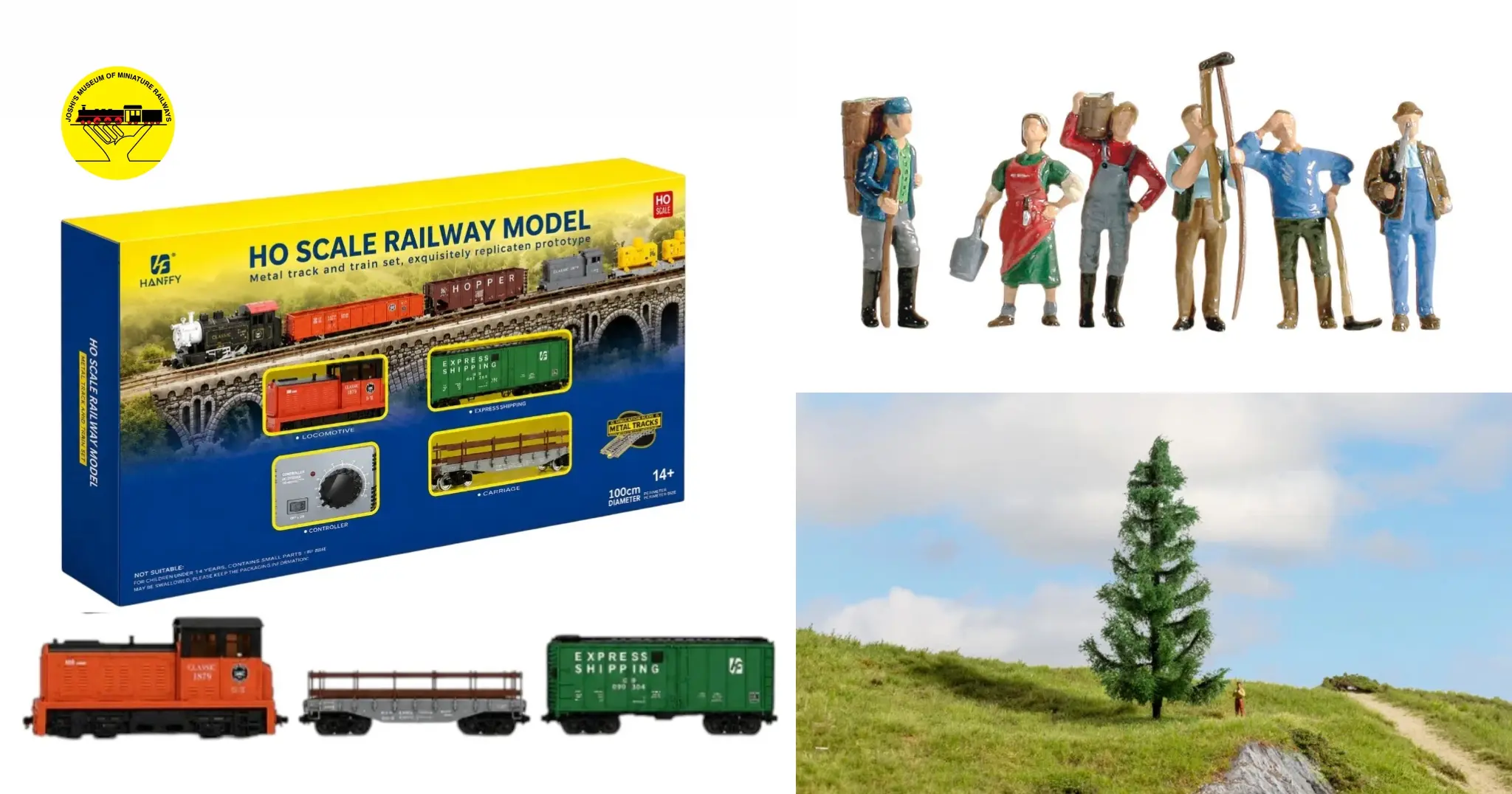
This is also where the title of this blog really comes alive. “From tracks to trees” is not just a poetic phrase. It is exactly how layouts work. First you define movement with track. Then you define context with scenic accessories. Trees, embankments, roads, ballast, structures, and poles all make more sense once the track line feels believable. A railway world starts with alignment.
A beautifully built layout is not simply realistic. It is culturally readable. An Indian Railways signal creates a different feeling from a European colour-light signal. A mountain line with smooth flex-track curves and alpine scenery tells a different story from a yard full of diesel sidings and industrial stops. A buffer stop at the end of a city terminal evokes passenger routine, while one in a freight spur suggests labour and logistics.
For hobbyists, that is liberating. You do not have to build a giant museum-scale railway to make something memorable. Sometimes one signal, one end stop, and one well-laid sweep of flex track can do more for realism than buying another expensive locomotive.
The secret of a living model railway is rarely hidden in the biggest object on the board. It is hidden in the accessories that make the board behave like a railway. Signals introduce logic. Buffer stops introduce endings. Flex track introduces landscape. Trees and scenery introduce place. Put together, they turn motion into meaning.
For anyone building a layout at home, that is the real lesson. Start with trains if you must, but do not stop there. The world around the train is what makes the railway believable. We at Joshi’s Museum of Miniature Railways understand this both as a museum and as a shop for serious hobbyists. And that is why these smaller accessories matter so much. They are not background. They are the reason the background feels alive at all.