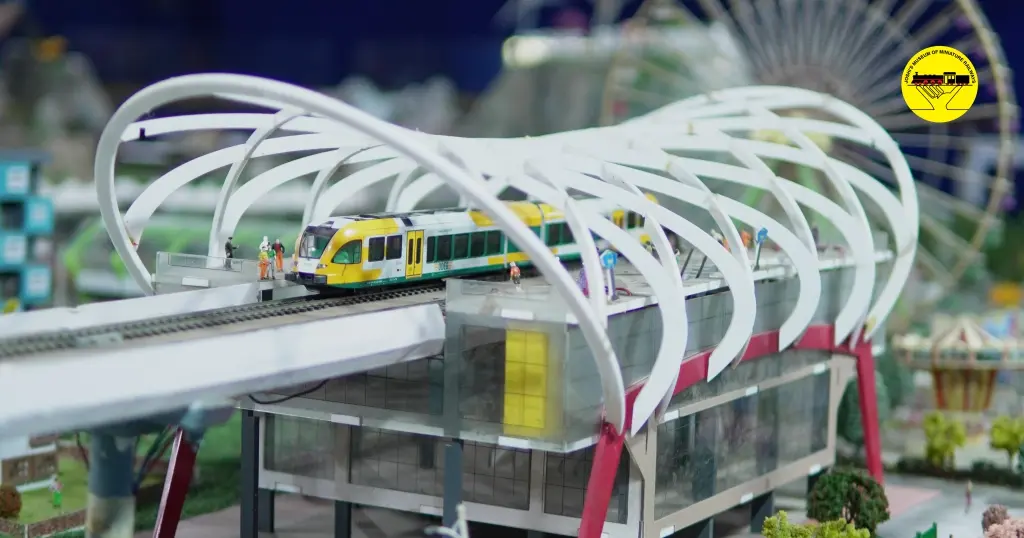
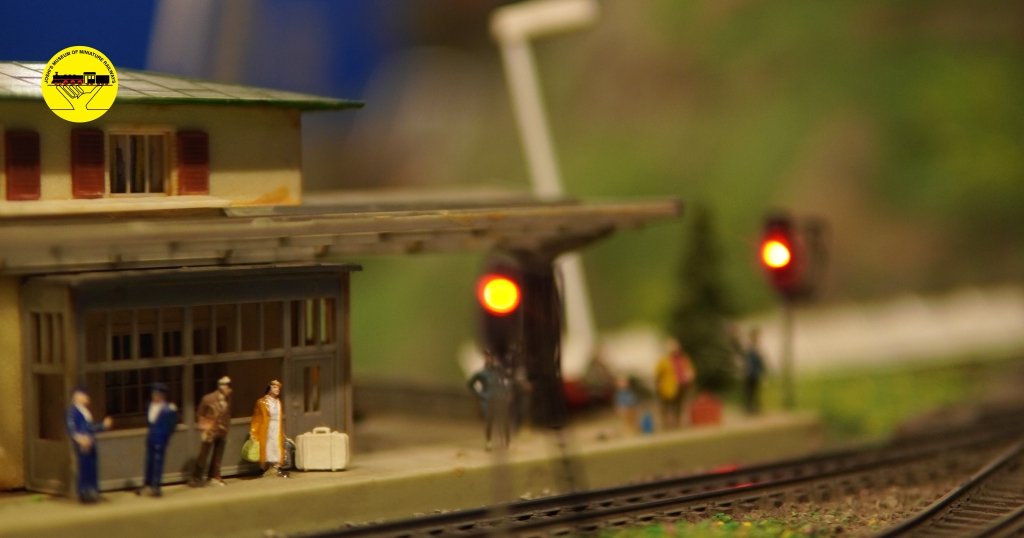
Joshi’s Museum of Miniature Railways is usually remembered for what visitors can see first: moving trains, glowing signals, tiny cities, mountain sections, stations, roads and that unmistakable feeling that an entire world has been compressed into one room. But behind every miniature train that glides smoothly through the layout is another story, quieter and far less visible. It is the story of model engineering, the discipline that turns imagination into working motion. At Joshi’s Museum in Pune, the public sees the magic. The engineers, makers, maintainers, painters, electricians, and layout planners make sure that magic holds together.
Model engineering is often misunderstood as just “making small things.” In truth, it sits at the intersection of mechanics, electronics, design, materials, and patience. In miniature railways, every train is part sculpture, part machine, part storytelling device. A model has to look believable, hold its proportions, sit correctly on the track or display base, survive handling, and still convey the personality of the original train. That is why this hobby has always demanded far more than enthusiasm alone. Serious model railway builders around the world treat wiring, control systems, scenery, and scale accuracy as real engineering problems, not decorative extras.
More than tiny trains
A miniature train only works when several layers come together. The most obvious is scale. Whether a model is HO, 1:100, or another proportion, every line has to feel right to the eye. Windows cannot sit too high. The nose cannot feel too blunt. Coaches cannot look too short. Even static models depend on this discipline, because the brain instantly spots when a train looks “off,” even if the viewer cannot explain why. That is why model engineering begins with proportion before it reaches paint, display, or motion.
The third layer is systems thinking. A model railway layout is never just trains on tracks. It is track planning, electrical feeds, point operation, signal logic, scenery placement, timing, accessibility for maintenance, and increasingly, digital control. Joshi’s Museum’s own setup evolved from a far more wiring-heavy system into a digitally managed one, showing exactly how model engineering often progresses: first through hands-on trial and mechanical ingenuity, then through refined control and maintenance planning.
The people no one sees during the show
When the lights dim and the show begins, the audience sees finished spectacle. What they do not see is the routine behind it. Someone has already checked track condition. Someone has looked at alignment, lighting, motion timing, scenic wear, dust, and display cleanliness. Someone has ensured that the show is not only beautiful but reliable enough to repeat for different groups through the day. That maintenance culture is one of the least glamorous and most important parts of model engineering. Even leading railway museums abroad describe daily inspection, cleaning, repairs, and layout checks as the real hidden labour behind public displays.
This is where Joshi’s Museum deserves special credit. It has never positioned miniature railways as casual decor. The museum treats them as living systems. That is a major reason the place feels convincing to visitors. It is also why the museum matters beyond entertainment. For many children and adults, it is one of the first places where they understand that engineering is not only about giant bridges or machines. It is also about precision, patience, and invisible labour.
Book your Pune museum visit to experience the working layout in person and see how miniature engineering comes alive during the show.
Static models still carry engineering inside them
It is easy to think that the most engineering-heavy pieces are only the moving trains. But static models demand their own discipline. A static train has no motion to distract the eye. Every proportion, line, and finish is exposed. That is why a well-made display model feels so satisfying.
Take the Vande Bharat Express | 1:100 Scale Model in the museum’s shop. The real Vande Bharat is one of India’s most recognisable modern train designs, with its aerodynamic nose, clean profile, and futuristic identity. To shrink that into a display piece, the maker has to preserve the sense of speed and sleekness even in still form. In other words, the engineering challenge is emotional as much as technical: the model has to feel fast while sitting still. That is what good model engineering does. It captures not just dimensions, but character.
The same is true of the Swiss Jungfrau Static Model, which draws from one of Europe’s most iconic mountain railways. Here the challenge is different. The charm lies in the compact mountain-train profile and the global romance attached to alpine rail travel. A good model has to preserve that identity in miniature, so that even on a shelf in Pune, it immediately signals Swiss engineering, altitude, and a different railway culture. This is exactly why collectors care about model trains. They are not only buying objects. They are buying condensed railway stories.
Why this hobby deserves respect
Model engineering often lives in the shadow of larger disciplines. It sounds niche. It sounds quaint. But in reality, it trains the same instincts that larger engineering fields value: observation, problem-solving, iterative design, electrical logic, systems coordination, and user experience. A miniature layout has to be built for operation, maintenance, and public viewing all at once. That is no small thing.
It also builds a rare bridge between generations. A child sees a train. A hobbyist sees wiring and track geometry. An engineer sees control logic. A collector sees craftsmanship. A museum like Joshi’s holds all those audiences together in one room. That is part of its value in today’s culture, where very few places let art, mechanics, nostalgia, and education meet so naturally.
Planning a quieter getaway with the same love for miniature railways? Explore the Wai museum experience and see how the world of Joshi’s expands beyond Pune.
A culture, not just a collection
The strongest museums are not built only on objects. They are built on culture. Joshi’s Museum has steadily shaped a miniature railway culture in Maharashtra by making the field accessible to families, schools, hobbyists, and collectors. The blog archive, shop, location pages, and museum experiences all reinforce one idea: this is not just a place to watch tiny trains. It is a place that preserves and shares a way of making them, understanding them, and loving them.
That matters because hobbies survive when knowledge is passed on. A museum can become more than a display hall. It can become a keeper of methods, inspiration, and standards. In that sense, the unsung heroes of model engineering are not only the builders behind individual trains. They are also the institutions that keep the field visible and valued.
Final thoughts
Behind every miniature train is a chain of decisions that most visitors never notice: scale, structure, material, wiring, finish, reliability, display logic, and maintenance. That invisible chain is what turns a charming model into a believable railway world. Joshi’s Museum of Miniature Railways stands as a reminder that model engineering is not side work around the edges of the hobby. It is the hobby’s beating heart.
The next time a train moves smoothly through the layout, or a static display like the Vande Bharat or Swiss Jungfrau catches your eye in the shop, it is worth pausing for a second. Not just to admire the train, but to admire the minds and hands that made it possible.