
Interactive museums vs static displays is no longer a niche debate inside museum studies journals. It is the central design question behind almost every new gallery and refurbishment in the world. Visitors have changed, attention spans have shifted, and the places that thrive are the ones that feel alive, not the ones that feel like storage with labels.
Joshi’s Museum of Miniature Railways in Pune sits right at the heart of this shift. It is not a hall of glass cases. It is a 20 minute moving show where an entire miniature city wakes up, runs, lights up and goes to sleep again. That kind of movement is no longer a nice extra, it is exactly what research says modern museums need.
For most of the 20th century, museums were “look but do not touch” spaces, built around static displays. Objects sat behind glass and you were expected to walk past quietly, reading labels. That model is still important for conservation, but on its own it struggles to compete with how people learn and consume information today.
Decades of research on museum learning show that visitors learn best when they can actively explore, choose their own paths and build personal meaning, instead of passively absorbing facts. Interactivity, choice and movement are now seen as core tools, not gimmicks.
Globally, as museums recover from the pandemic, the ones that bounce back fastest are the ones offering immersive, engaging experiences rather than only static galleries. A major global attractions index reported that by 2023, attendance at the top 60 museums had climbed back to about 94 percent of 2019 levels, with Asia even exceeding pre-pandemic numbers, driven partly by new, more interactive experiences. At the same time, surveys of museum goers emphasise that visitors now want experiences that “feel worth the time and money” which usually means hands on, moving or tech enriched exhibits.
Researchers have been measuring what happens when exhibits move, respond or invite participation. Several consistent patterns appear:
In simple terms, when something moves, when you make a choice or when the exhibit responds to you, your brain flags it as important. You stay longer and you remember more. That is exactly the job museums claim to have.
When people hear “interactive museum” they often think of touchscreens and VR headsets. In museum theory, interactivity is broader and more interesting. Movement can be:
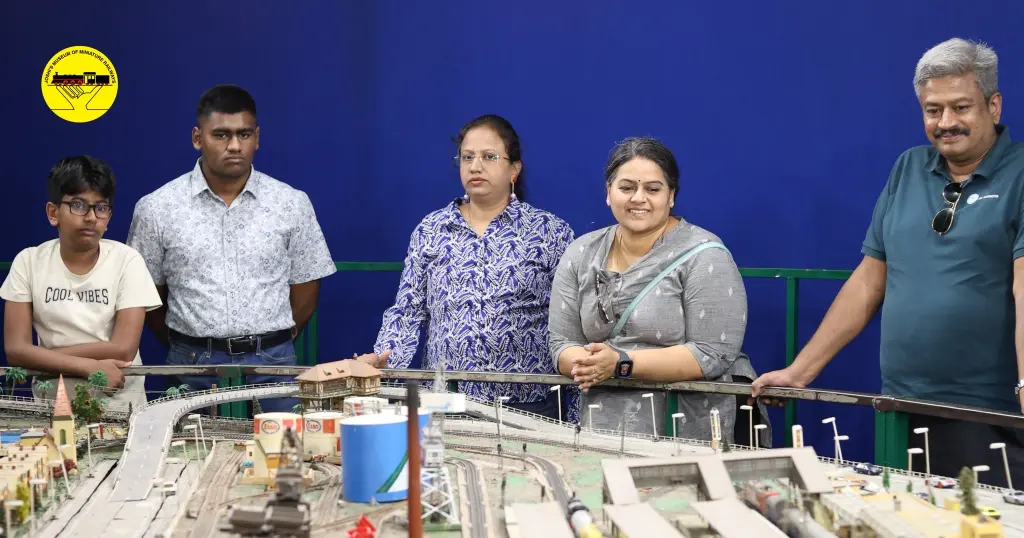
Joshi’s Museum of Miniature Railways is a textbook example of this wider, more analogue kind of interactivity. The main exhibit is a single, large scale layout where trains, cars, cable cars and lights move in a carefully timed narrative. The visitor does not push buttons, but they react, anticipate and follow the story. The room itself becomes a kind of shared control panel for imagination.
On paper, Joshi’s Museum is a small private museum in Kothrud, Pune, built around the life’s work of B. S. “Bhau” Joshi, whose personal hobby turned into a full time career and institution. In practice, it operates like a miniature city in motion.
The core layout includes around 65 signals, 26 points, six platforms, flyovers, lamp posts, a ghat section with a reversing station, a two lane highway with moving cars, cable cars and more. A single show runs for about 20-25 minutes, typically starting every hour or half hour, with a synchronised audio commentary and lighting program.
Originally, all these actions were driven by kilometres of wiring from a central control panel. Over time, the system was upgraded to digital control, with distributed cards under the layout and computer driven sequences that reduce wiring and make maintenance easier. The result is a fully choreographed, room sized kinetic exhibit where:
From a museology perspective, this matters. It means the museum is not asking visitors to imagine motion from a static object, it is showing them motion as the core interpretive tool.
Interactive museum research consistently points to one key idea. People remember what they do with an exhibit more than what they simply see.
At Joshi’s Museum, that “doing” is not about touching the trains. It is about following chains of cause and effect across the layout. A child sees a signal change, then a train depart, then a crossing gate lower and cars stop. They learn that railways are systems, not just objects. Teachers and parents can point out engineering ideas, traffic rules, geography and even urban design using one compact miniature world.
In wider museum education, immersive and interactive experiences have been shown to improve affective outcomes and even motivate young people to visit more often. Joshi’s shows operate along the same principle, especially for school groups who get both spectacle and structured learning in a single session.
There is another reason movement matters in today’s museums. Visitors do not just consume experiences, they record and share them. Travel trends for 2026 highlight a strong shift toward “immersive, interactive museums” that blend physical and digital and are naturally photogenic and video friendly.
A static object behind glass makes for one photo. A moving miniature city with lights, trains and narration makes for an entire reel, story or vlog segment. Joshi’s Museum has already been featured in short videos and reels that focus less on the ticket price and more on the feeling of “a whole city in motion inside one room”.
This is not trivial marketing. In a world where many visitors discover attractions through social feeds, movement becomes discoverability. An interactive museum is easier to explain visually than a purely static one.
None of this means static displays are obsolete. Authentic artefacts, original documents and fragile objects are the backbone of heritage work and must often remain still and protected. What has changed is expectation.
The most successful museums now combine:
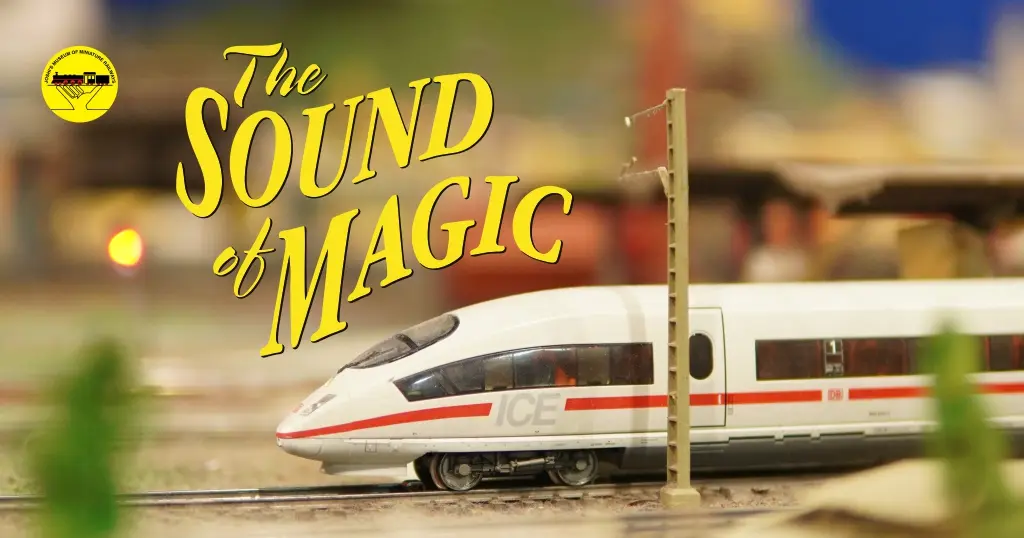
Joshi’s ecosystem reflects that balance. The moving layout provides the core interactive experience. Around it, there are static scale models, limited edition miniatures and a shop that lets visitors take home accurate replicas of Vande Bharat, WDG3A, Swiss Jungfrau or Pune Metro trains. Static pieces become long term companions to a moving memory.
In today’s museum landscape, movement is not a gimmick, it is a language. Interactive museums use motion, light, sound and participation to speak in ways that align with how people actually learn and pay attention. Static displays on their own risk becoming visual background noise.
Joshi’s Museum of Miniature Railways shows what happens when movement is baked into the very idea of a museum. It compresses an entire railway city into one room, runs it live in front of every visitor and uses that motion to explain technology, systems and stories.
In a world where museums compete not only with each other but with screens, games and endless online content, places like Joshi’s are essential. They prove that if you want people to care about history, engineering and craft, you cannot keep everything behind glass and hope for the best. You have to let the trains run.