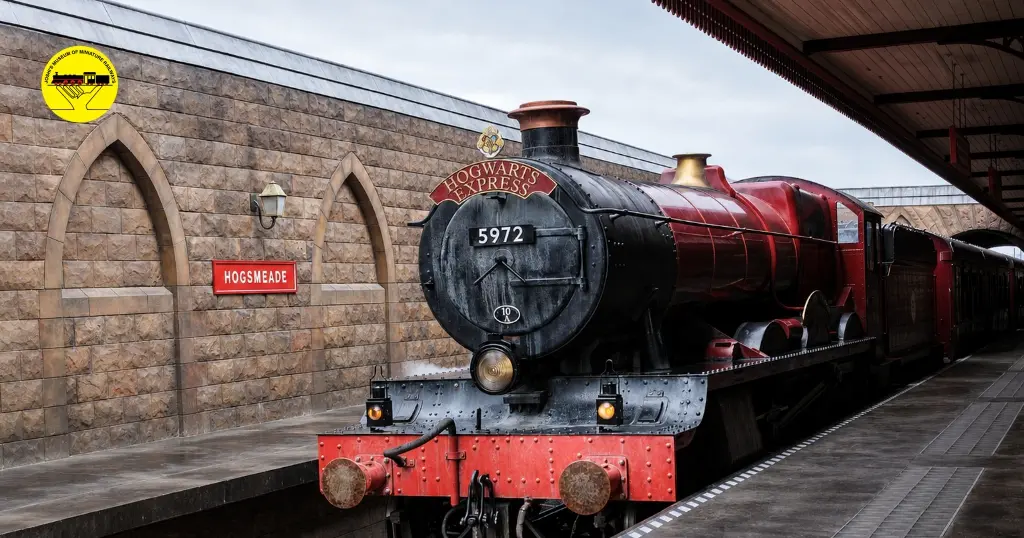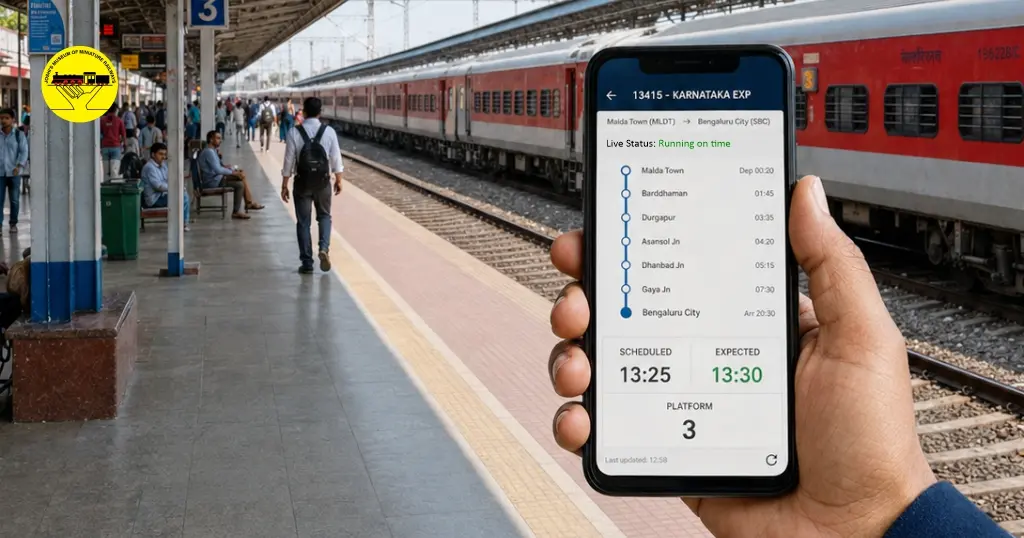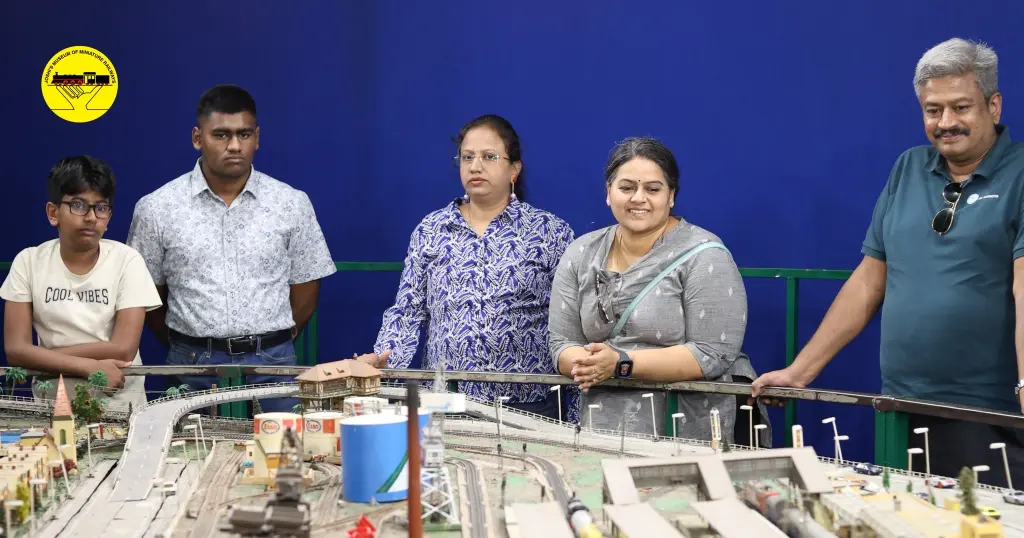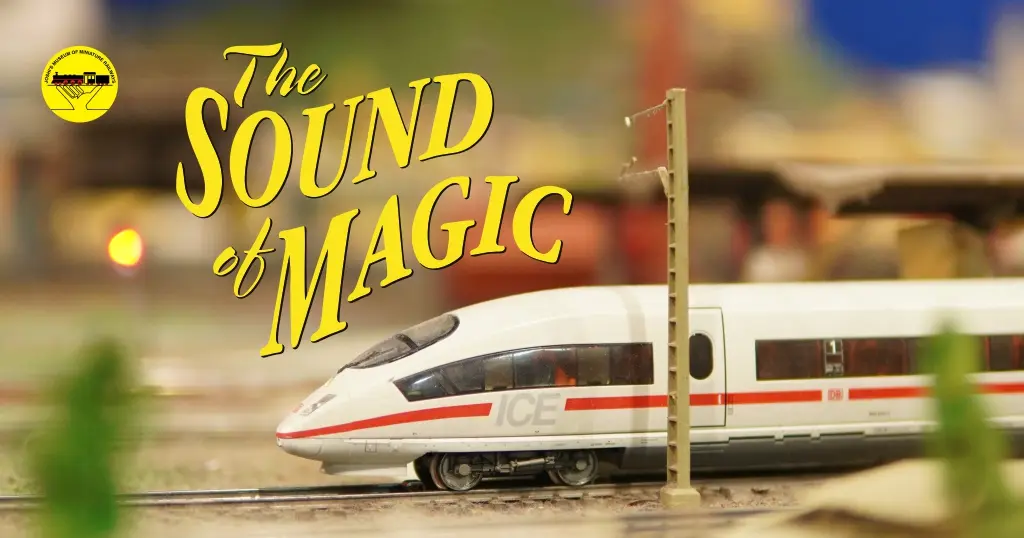

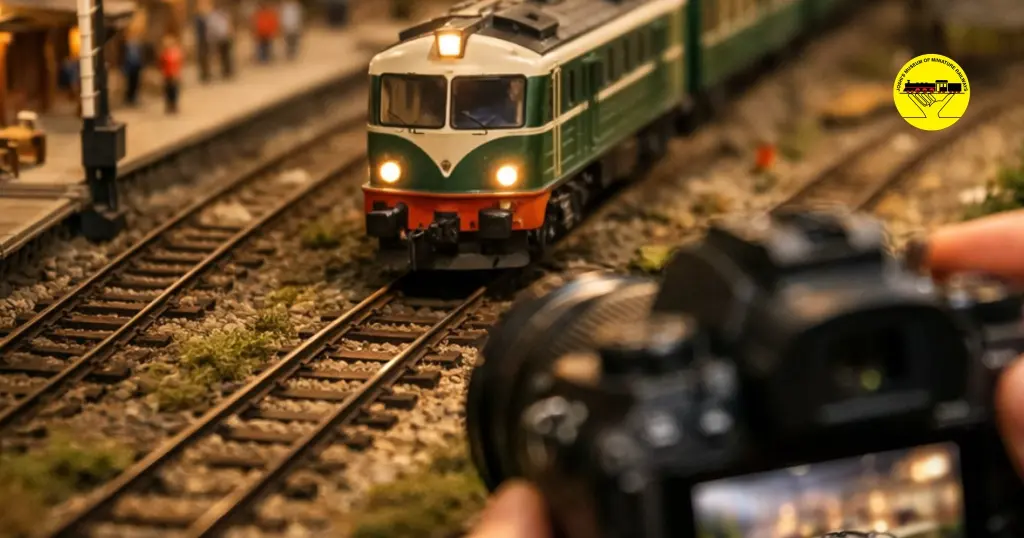
Railway Photography, especially that of miniature trains is one of the most rewarding ways to combine two very impactful hobbies in human history. It combines a long global tradition of photographing trains with the very special challenge of capturing miniature railways that look convincingly real.
From the first steam locomotives in the 19th century to today’s high speed trains, railways have always attracted photographers who love motion, machinery and atmosphere. As model railways became more detailed, the camera naturally followed them too. Now, places like Joshi’s Museum of Miniature Railways give visitors a chance to try serious railway photography in a controlled, miniature world.
Check out the Joshi’s Museum of Miniature Railways photo gallery!
Photography itself emerged in the 1820s and 1830s, when pioneers like Nicéphore Niépce and Louis Daguerre produced the first permanent images on metal and glass plates. Very soon, railways became a favourite subject. By the early 1800s artists and printmakers were already illustrating experimental locomotives, such as Richard Trevithick’s Catch Me Who Can, which was depicted in promotional art around 1809.
As photography improved through the 19th century, steam locomotives were documented as symbols of industrial progress, especially in Britain and Europe where steam engines transformed transport from the 1820s onward. Early railway photographs were often formal, head on portraits of engines or trains posed at stations. Over time the style became more artistic, with photographers using low angles, long perspectives and dramatic skies to emphasise power and movement.
In the 20th century railway photography diversified again. Enthusiasts recorded disappearing steam lines, modern diesel fleets, and high speed networks. Books and magazines dedicated to the subject turned it into a recognised niche. The same visual language, with its focus on perspective, timing and atmosphere, is now applied to miniature railways as well.
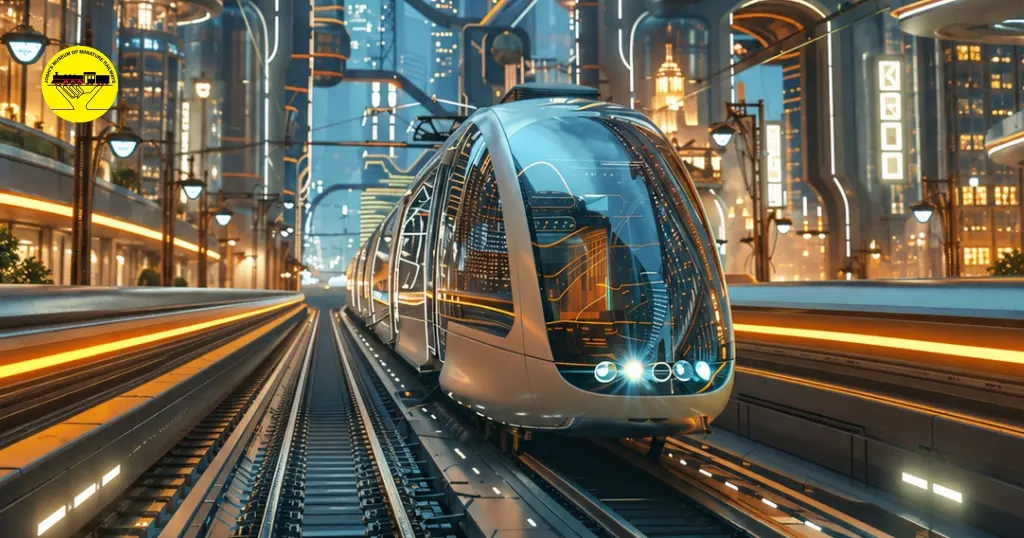
Miniature trains add something new to traditional railway photography. Instead of chasing timetables and weather, photographers have almost complete control over light, angle and timing. Layouts like the one at Joshi’s Museum contain an entire city in a single room: mountains, roads, rivers, stations, signals and ten to fifteen different types of trains including steam engines, a bullet train and a sky train.
For a photographer, this means you can explore many kinds of railway scenes in one place:
Because everything is scaled down and repeatable, you can practice compositions again and again until you get the perfect frame.
Joshi’s Museum of Miniature Railways grew from the personal collection of B. S. “Bhau” Joshi, who began building models and exhibited mobile layouts across Indian cities. To avoid the constant effort of moving his displays, he created a permanent layout that opened to the public in 1998.
Today the museum is located in Kothrud / Erandwane, Pune, and features a large operating display with around 65 signals, fences, lamp posts, flyovers and a carefully choreographed son et lumière show. The trains run through a fully built miniature city, controlled either manually or by computer from a central panel.
For photographers, the show is rich with opportunities:
Because the layout is permanent, you can return and refine your shots over time, or build a long term series.
Although the subjects are small, the basic principles of railway photography still apply.
Shooting from eye level with the layout often reveals its miniature nature. Instead, lower the camera to track height so that the train and scenery fill the frame like a full scale scene. This reduces background clutter and makes the viewer feel “inside” the miniature world.
Rails are natural leading lines. Compose so that the track curves into the frame from a corner or the foreground and guides the eye towards the train, a bridge or a lit building. Signals, fences and overhead structures at Joshi’s layout can add extra depth to the shot.
Miniatures can look toy-like if only a small part of the scene is in focus. Using a smaller aperture (higher f number) increases depth of field so more of the train and scenery appears sharp. A tripod helps to handle the slower shutter speeds this requires. Advanced photographers sometimes use focus stacking, combining several images with different focus points to produce one fully sharp result.
The museum’s program includes changing lighting effects. When the city scene goes into “night mode” with illuminated buildings and signals, you can experiment with:
During “daylight” parts of the show, softer, more even light helps to show detail on locomotives and structures.
Railway photography at Joshi’s is not only about close ups of trains. The museum has its own culture and story that can also be documented.
You can photograph:
These images help communicate that Joshi’s Museum is a living place where engineering, education and nostalgia meet.
If you plan to shoot for extended periods, it is good practice to check with staff about the best show timings and any restrictions on tripods or flash, so that photography does not disturb other visitors.
For photographers, the museum is a ready made training ground. You can explore classic railway styles such as:
All within a single indoor space that is not affected by weather or real world railway safety rules.
For Joshi’s Museum, quality railway photography helps in other ways:
The museum already supplies models and kits and has links with international brands such as Fleischmann, Roco and Hornby, as well as manufacturing its own scale models including a version of Switzerland’s Jungfrau Railway. Good photography strengthens its position as a serious player in the global miniature railway scene.
Railway Photography began as a way to record full size locomotives in the early industrial age. Today, it includes a thriving sub genre devoted to miniature trains, where the challenge is to make small scenes feel convincingly large.
Joshi’s Museum of Miniature Railways is an ideal place to explore this craft. Its detailed layout, varied trains and rich museum culture give photographers endless subjects, from close up locomotive portraits to atmospheric wide shots of a tiny but fully alive city.
Whether you are a casual visitor with a phone camera or a serious photographer with a tripod and macro lens, capturing the magic of the miniature trains at Joshi’s will deepen your appreciation for both railways and the art of seeing them through a lens.