Joshi’s Museum of Miniature Railways is not just a showcase of trains — it’s a gallery of stories, each told through wheels, wires, and imagination.
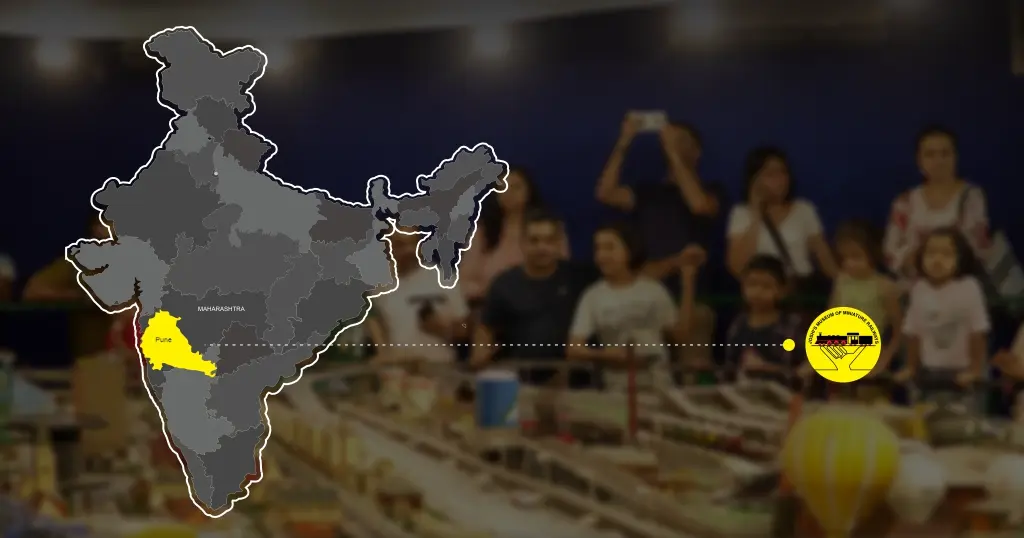
Tucked away on Paud Road in Kothrud, Pune, this beloved museum has enchanted generations of visitors with a world in motion: trains running through mountains, bridges rising and lowering, airplanes taking off, and entire cities lighting up to the rhythm of narration and sound.
But what makes Joshi’s Museum truly special is not just how these trains move — it’s the stories they carry. Every miniature train, every landscape, and every signal light has a history, a reference, and a purpose. Together, they make the museum not merely a technical marvel, but a cultural and emotional one.
A City in Motion: Where Every Train Has a Story
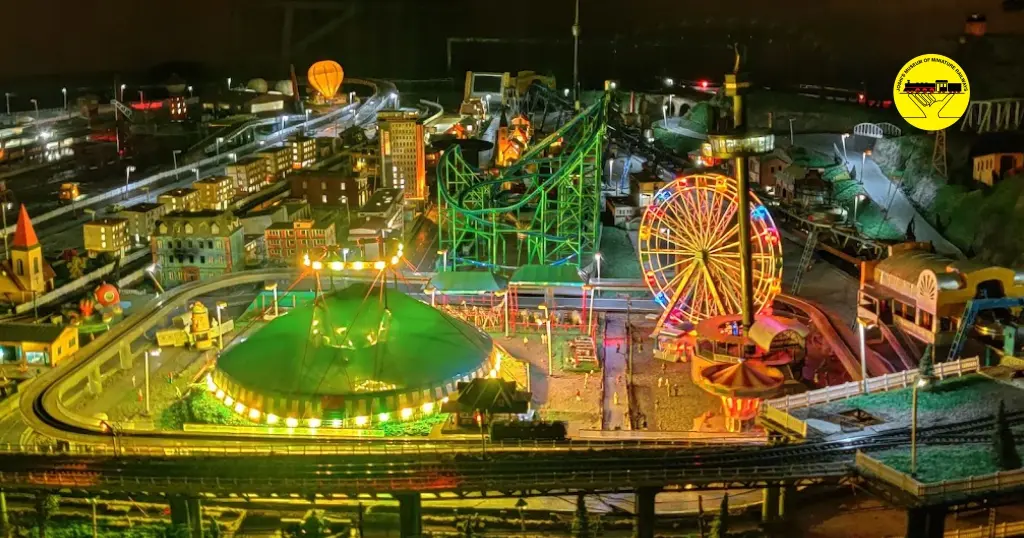
When the lights dim and the 25-minute show begins, visitors are transported into a miniature city that feels alive. Bridges open, metros glide, trams ring, and highways bustle with cars. The choreography is flawless, but beneath that rhythm lies decades of craftsmanship.
The idea began with the late Bhau Joshi, an artist and engineer whose fascination with railways turned into a lifelong project. What started as a home hobby in the 1980s evolved into one of India’s most celebrated miniature railway museums, now run by his son, Ravi Joshi.
Over the years, the collection grew not just in scale but in depth. The trains on display aren’t random — they represent specific eras, technologies, and inspirations from around the world.
The Swiss Jungfrau: From Alps to Pune
Among the foreign trains featured, one of the most admired is the Swiss Jungfrau Static Model, a tribute to Switzerland’s Jungfrau Railway — the highest railway station in Europe, climbing through the Eiger and Mönch mountains to the “Top of Europe.”
The real Jungfrau line, built in 1912, uses a rack-and-pinion system to conquer gradients up to 25 percent. At Joshi’s Museum, the model captures the essence of this Alpine marvel with snow-topped peaks, tunnel entrances, and coaches that look like they’ve just emerged from the mountains.
The model represents more than geography; it celebrates human ambition — the drive to engineer possibilities out of impossibility. You can read more about this piece or even bring it home from our shop: Swiss Jungfrau Static Model.
The Classic Steam Era: Engines of Memory
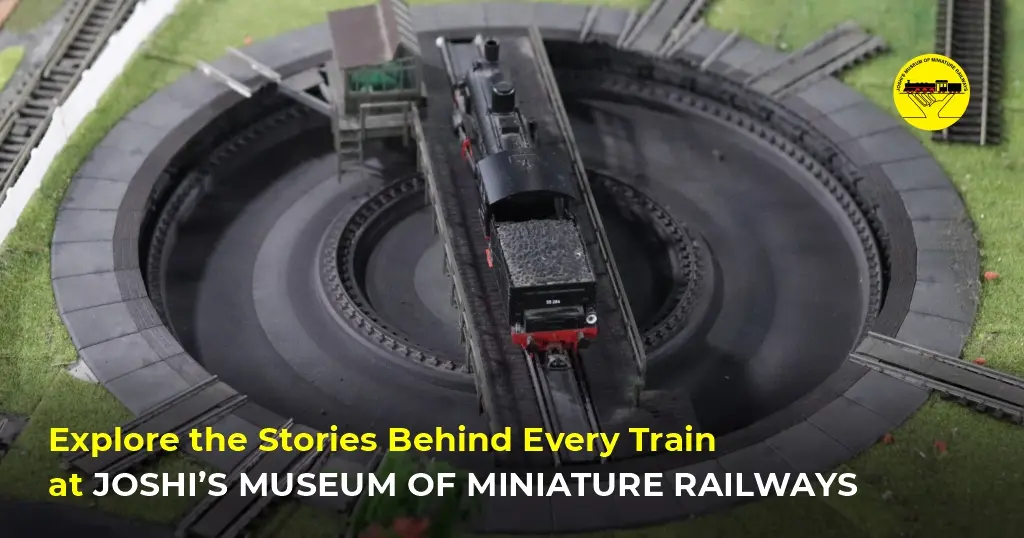
No railway story is complete without the rhythmic chug of steam. In one section of the museum, miniature steam engines puff across metal bridges, their pistons visibly moving, their lights glowing softly.
These models pay homage to the engines that once roared through India’s colonial and post-independence landscapes — iron giants that connected cities long before highways did.
Bhau Joshi was known to spend hours perfecting these details. The pipes, the rivets, the faint soot-like patina — every element is hand-finished. Visitors often call it the “heart” of the museum because it captures the warmth of childhood memories: toy trains, station sounds, and journeys that smelled of coal and wind.
The Railbus: A Tribute to India’s Light Railway History
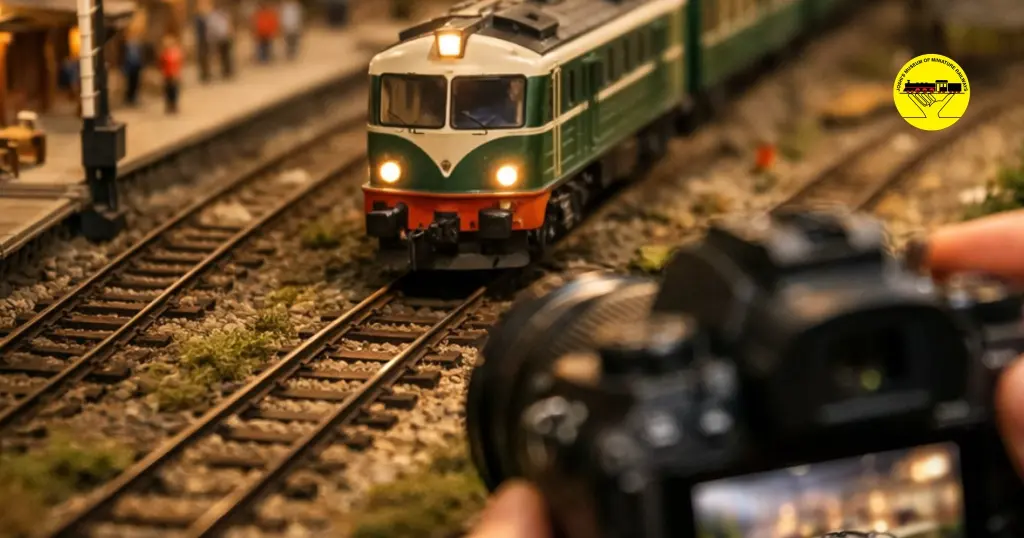
Among the museum’s most charming miniatures is the Railbus, a symbol of India’s light railway innovation. Railbuses were designed as economical alternatives to full-sized locomotives on low-traffic branch lines, especially in rural and hilly regions. They combined the simplicity of a bus with the guidance of rails, making them agile, fuel-efficient, and ideal for short routes where running a full train wasn’t feasible. Many visitors remember traveling in these quirky vehicles during the 1980s and 1990s, especially in Maharashtra and Tamil Nadu. At Joshi’s Museum, the Railbus model captures that nostalgia perfectly. Its compact frame, distinctive front windows, and bright livery echo real-life versions that once connected small towns and villages. Watching it glide across the miniature track reminds visitors of an era when India experimented boldly with economical engineering solutions — proving that even the humblest rail vehicles have stories worth celebrating.
The ICE Model: Germany’s Speed Icon in Miniature
The ICE (InterCity Express) model is one of the most striking international pieces in the museum’s collection. Based on Germany’s high-speed trains that revolutionised European travel, the ICE is known for its futuristic nose, sleek white body, and incredible speeds that often exceed 300 km/h. These trains represent precision engineering at its finest: lightweight aluminium bodies, aerodynamic shaping, active suspension technology, and advanced signalling systems. At Joshi’s Museum, the ICE model brings a slice of Europe’s cutting-edge rail culture to Pune. The miniature showcases the train’s signature red stripe, its elongated coach windows, and its refined profile that seems built for flight as much as movement. Visitors often compare it with India’s Vande Bharat and bullet train initiatives, seeing in the ICE a glimpse of what the future of Indian rail travel aspires to. It’s not just a model, but a symbol of speed, ambition, and global railway excellence rendered in perfect scale.
The Metro and the Modern City
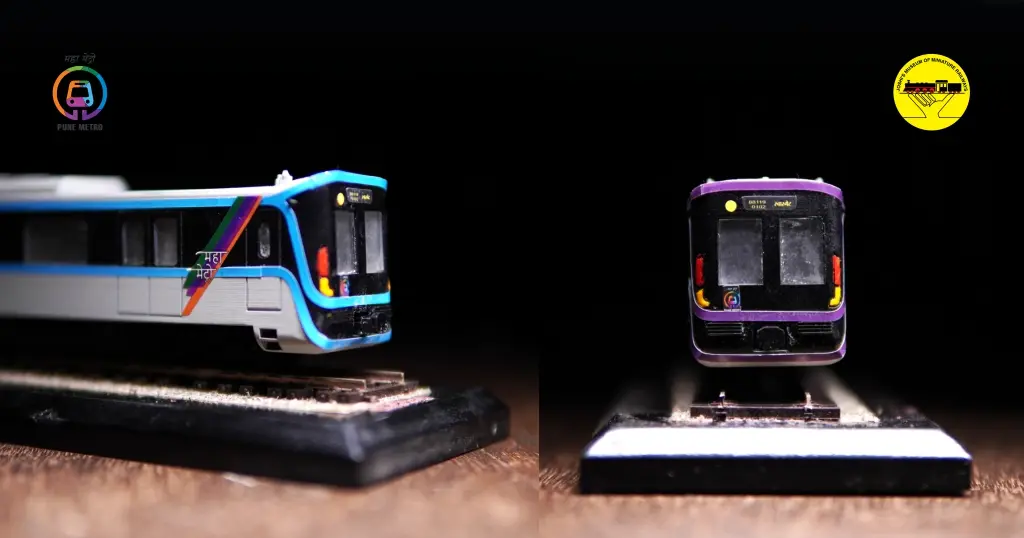
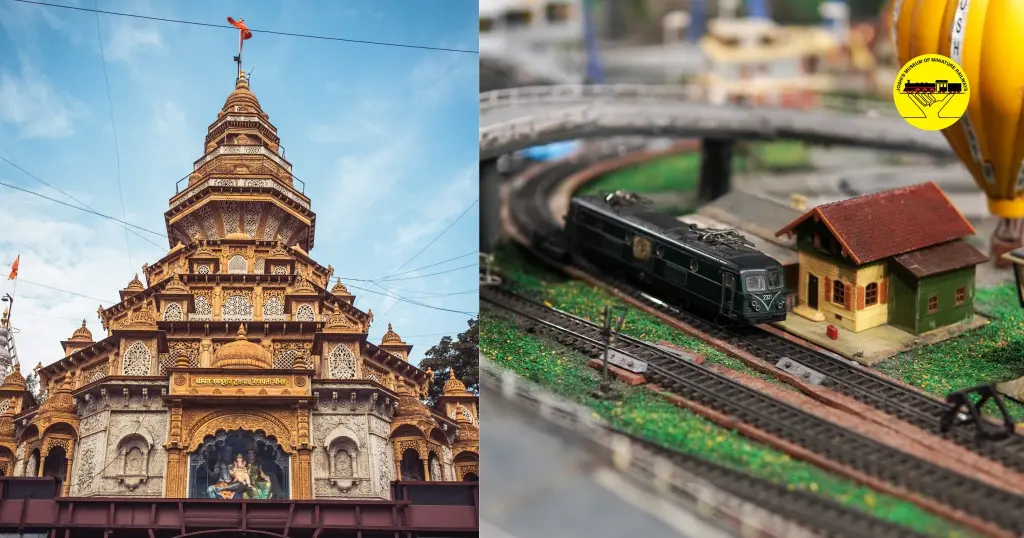
In the newer section of the display, a metro line winds through a tiny urban skyline. It represents India’s changing rhythm — fast, efficient, and modern. The trains run on elevated tracks, stations glow with LED lights, and cars move below on smooth highways.
This part of the layout is a nod to Pune’s and India’s growing urban landscape, where metros and modern trains are redefining daily life. It also marks how the museum continues to evolve, reflecting contemporary scenes alongside heritage ones.
The Hidden Stories: The Wires, the Voices, the Craft
While the trains are what people see, the real magic of Joshi’s Museum lies behind the scenes. Until 2010, the entire setup ran on five kilometres of wiring, each switch manually connected to action points across the layout. Operators had to memorise 256 switches, coordinating every motion like a live orchestra.
With time, the system was digitised. Ravi Joshi developed an in-house computer-based setup that reduced the wiring to just 1.5 kilometres and automated much of the sequencing. The commentary, once delivered live on a microphone, is now a precisely timed voiceover, ensuring every visitor gets the same seamless experience.
It’s an incredible blend of nostalgia and technology: the soul of the past kept alive by the science of the present.
The Museum Culture: A Space for Wonder and Learning
Beyond its models, Joshi’s Museum has become a cultural landmark for Pune. Schools bring students for educational tours, families return year after year, and travelers often list it as one of the city’s most surprising finds.
The museum’s staff maintain not just the machinery but the mood. The lights dim, the sound of trains fills the air, and for a few minutes, everyone — children, parents, and grandparents alike — is transported.
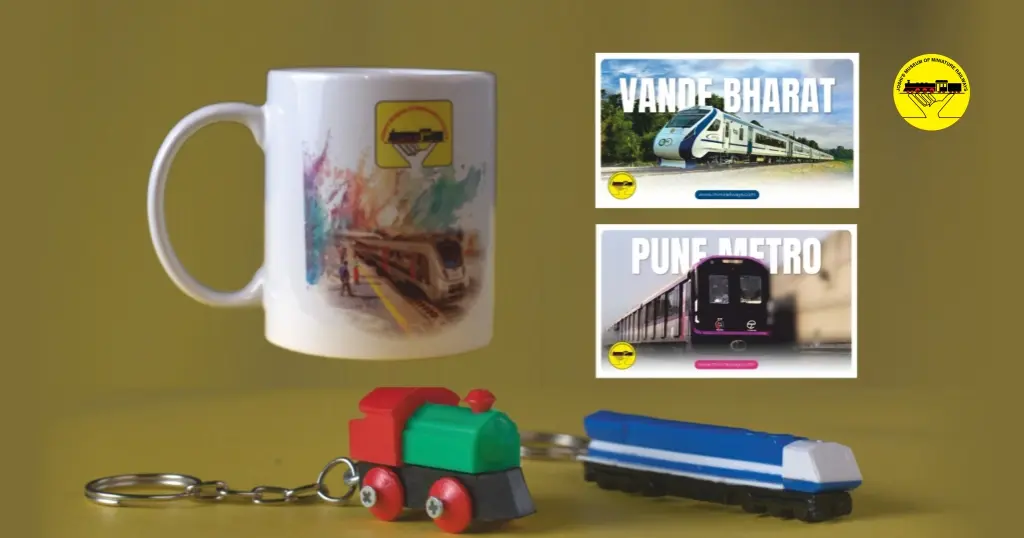
The museum also connects with collectors and hobbyists through its online Shop for Miniature Models, where visitors can buy replicas like the Jungfrau, metros, or static pieces for home collections. This shop supports the museum’s larger mission: spreading appreciation for miniature engineering across India.
Why These Stories Matter
Each model at Joshi’s Museum represents a chapter of human innovation:
- The steam engine that conquered distance.
- The electric locomotive that modernised travel.
- The bullet train that redefined speed.
- The metro that reshaped our cities.
- The Jungfrau that climbed the impossible mountain.
Together, they tell a timeless truth — that trains are not just machines. They are stories of people who build, travel, and dream.
Conclusion
Joshi’s Museum of Miniature Railways is a space where stories move, literally. Each train on its tracks carries a tale from another time or another country, and together they form a living, breathing encyclopedia of motion, history, and art.
In a world rushing forward, this small hall in Pune reminds us that the greatest journeys begin on the smallest tracks and that every train, whether from India or the Swiss Alps, has a story worth hearing.