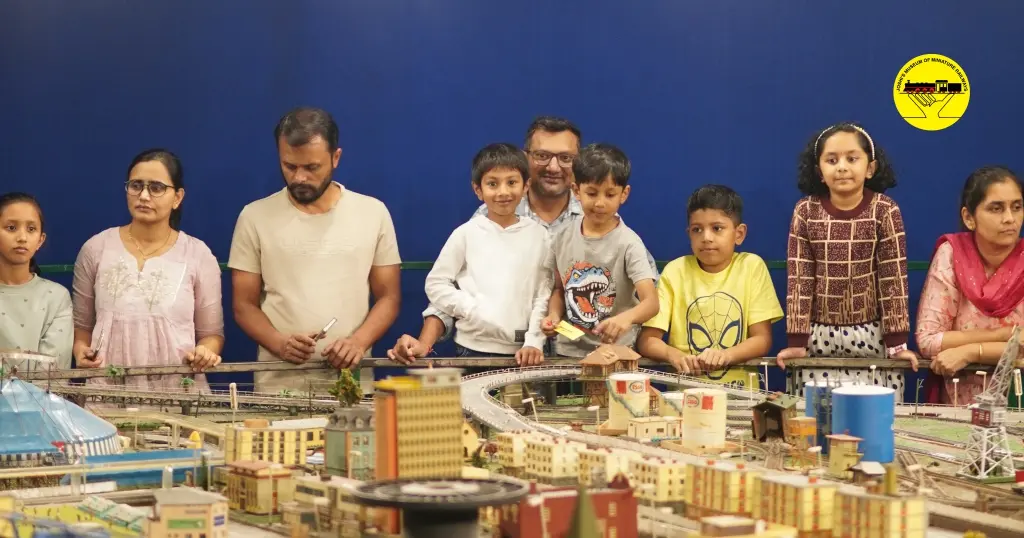
Few hobbies bridge generations the way miniature railways do. At Joshi’s Museum of Miniature Railways in Pune, the audience often includes toddlers clapping at a moving train, teenagers filming reels, parents explaining signals, and retired engineers quietly admiring the control panel. The same twenty-five-minute show manages to speak to all of them.
The fascination isn’t accidental. Miniature railways sit at the crossroads of imagination, precision, and nostalgia, combining storytelling and engineering in a form that grows with you. A child sees motion and colour; an adult sees systems and stories. Somewhere between those two views lies the timeless appeal of the miniature train.
The Universal Allure of Small Worlds
Human beings have always been drawn to scaled-down worlds. Psychologists link this to our desire for comprehension and control: a miniature landscape turns the overwhelming complexity of the real world into something you can see entirely, understand instantly, and hold within your gaze.
For children, this offers comfort and discovery. Watching a train move through mountains and tunnels satisfies curiosity about how things work. For adults, it becomes a metaphor for order, patience, and design — every switch, signal, and light representing a system in harmony.
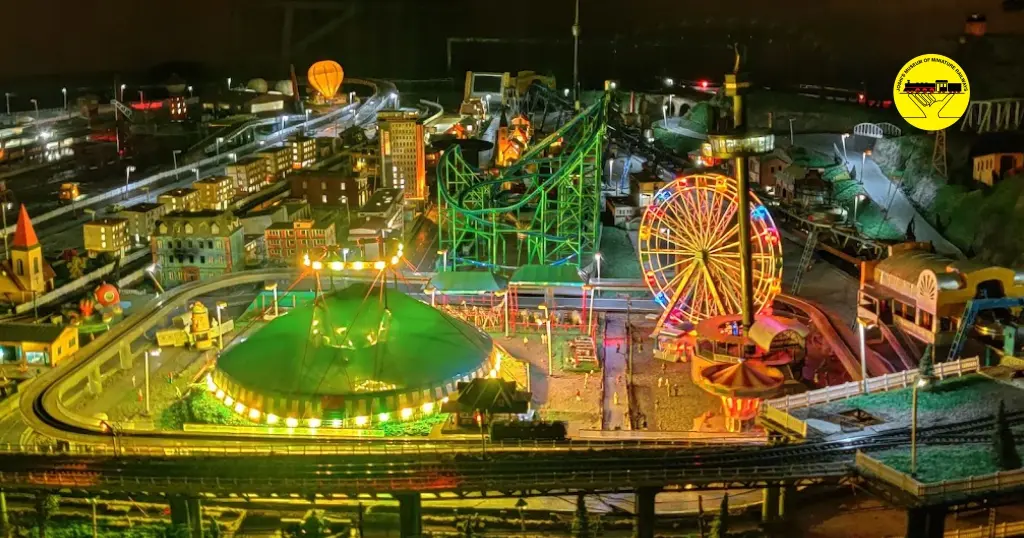
At Joshi’s Museum, this interplay is intentional. The layout is not a toy; it is a functional simulation of a living city. Lights follow day-night cycles, bridges lift, flights take off, and trains obey signals exactly as real ones do. The miniature is not only beautiful but accurate, which makes the satisfaction universal.
A Short History of Miniature Railways
Model trains date back to the 19th century when European engineers began building small working replicas to demonstrate locomotive designs. By the early 1900s, these replicas became home models — first clockwork, later electric.
Post-war Britain, Germany, and Japan turned model railways into national hobbies, with scales such as O-gauge, HO, and N becoming standards. Collectors built entire towns and industries around their tracks, a practice that merged craftsmanship with engineering education.
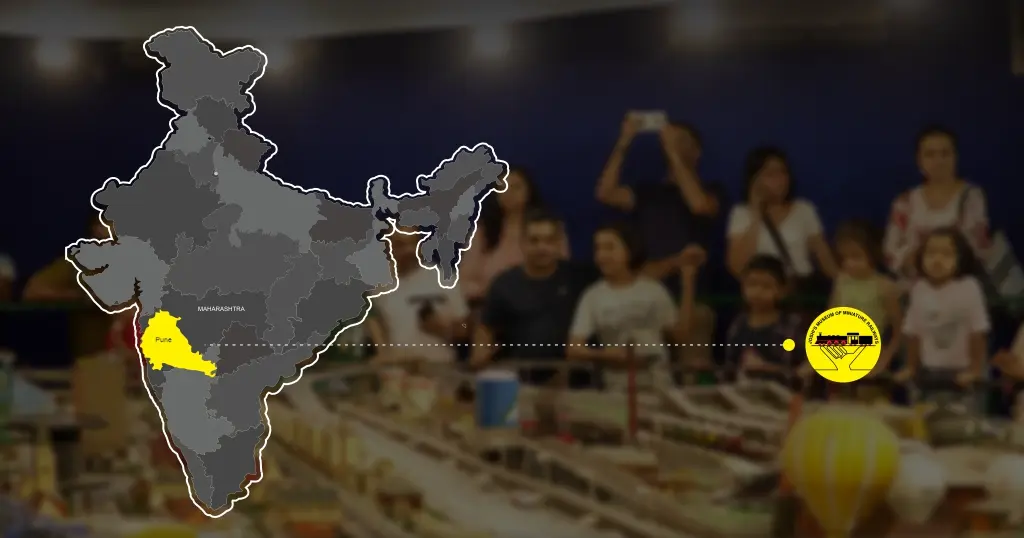
In India, miniature railway displays were rare outside exhibitions until pioneers like Bhau Joshi brought them to life for public viewing. What started as a personal passion in the 1980s became a permanent museum in Kothrud, Pune — a place where visitors could see an entire nation’s worth of rail stories condensed into one moving tableau.
Over time, Joshi’s museum has inspired a small but passionate community of Indian model-train enthusiasts who collect, repair, and build their own layouts at home.
The Demographic Connection: Why Every Age Relates Differently
Children: For the youngest visitors, trains represent motion and sound — tangible excitement. The bright colours, tunnels, and synchronized lights make them believe they are witnessing a living storybook. Educational psychologists note that such multisensory experiences improve attention span and spatial awareness.
Teenagers and Students: As they grow, the same visitors start asking how the system works. The control panels, circuits, and coding behind the show introduce them to STEM learning in its most engaging form. A functioning model railway demonstrates electricity, programming, mechanics, and design all at once.
Adults and Parents: For many, the show unlocks nostalgia — a reminder of childhood train journeys, the sound of stations, and family holidays. Adults appreciate the craft, the patience, and the discipline that keep the layout running.
Collectors and Hobbyists: Older visitors, especially engineers or retired railway staff, find a mirror of their own interests. Miniature railways combine artistry with engineering, allowing them to express lifelong passions in compact form. It is no surprise that global surveys estimate over 200,000 active model-train collectors worldwide, a demographic where the average age keeps rising but interest never fades.
This wide appeal is what keeps places like Joshi’s Museum alive: every generation finds something different yet equally meaningful in the same moving landscape.
Inside the Miniature Mind: A Psychological Metaphor
At a deeper level, model railways are metaphors for how people think and live. Each train follows a path defined by tracks, switches, and signals — just as our choices and habits guide our own journeys. Watching a train glide smoothly through curves and junctions evokes a sense of balance and timing, a subtle reminder that coordination and patience make systems work.
Building or maintaining a model railway teaches the same lesson. Tracks must align perfectly, wiring must be neat, and every connection matters. One loose joint can stop an entire network. The process cultivates focus, persistence, and problem-solving, traits psychologists often compare to meditative practices.
For children, this translates into structured imagination — creativity that follows rules. For adults, it becomes a therapeutic exercise: the satisfaction of making something complex run flawlessly. No wonder miniature railways are sometimes used in occupational therapy and stress management, where slow, precise activity helps calm the mind.
The Craft Behind the Magic
At Joshi’s Museum, nothing runs on illusion. Every action — a bridge lifting, a train halting at a signal, a plane taking off — is triggered through real electrical circuits and computer commands. Under the scenic mountains and roads lies a network of wiring, relays, and control cards resembling a small industrial plant.
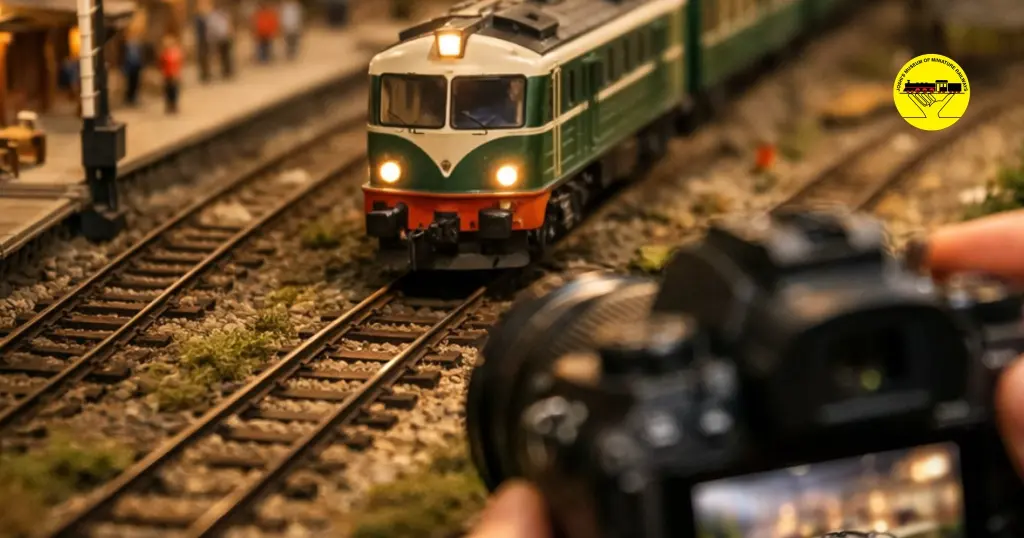
Each train operates on direct current motors scaled down from full-size locomotives. The lighting follows programmed cycles, creating dawn, daylight, and night within minutes. Sound cues are synchronized through the same system, and maintenance teams routinely replace worn-out parts while preserving the overall narrative.
This combination of realism and artistry is what distinguishes model railways from other toys. They are miniature infrastructures, not just models. They teach how complexity emerges from coordination, how beauty depends on precision, and how patience produces motion.
Why Miniatures Still Matter
In a digital era filled with instant entertainment, the miniature railway stands apart. It rewards attention, not scrolling. Children who grow up around such models learn cause and effect: a switch pressed here moves something there. Adults rediscover wonder in predictability — in watching machines that run exactly as they should.
Museums like Joshi’s remind us that mechanical imagination is as powerful as virtual creativity. The world may be digitized, but the fascination with seeing things move, light up, and connect in real time remains universal.
Miniature railways also serve as quiet records of our cities and transport heritage. As real locomotives move toward automation and speed, these small models preserve the romance of steam, smoke, and slow journeys — the poetry of travel reduced to a tabletop.
Conclusion: The Tracks That Connect Generations
Whether you are five or fifty, a visit to Joshi’s Museum of Miniature Railways offers the same feeling: awe wrapped in understanding. You start by watching trains move and end up realizing how life itself mirrors those tracks — structured, dynamic, and interdependent.
From kids who learn curiosity to collectors who find peace in perfection, miniature railways continue to fascinate because they bring motion, meaning, and memory together.
And in that small hall in Kothrud, Pune, the tiny trains keep running, quietly proving that no matter how fast the world grows, there will always be joy in slowing it down to scale.