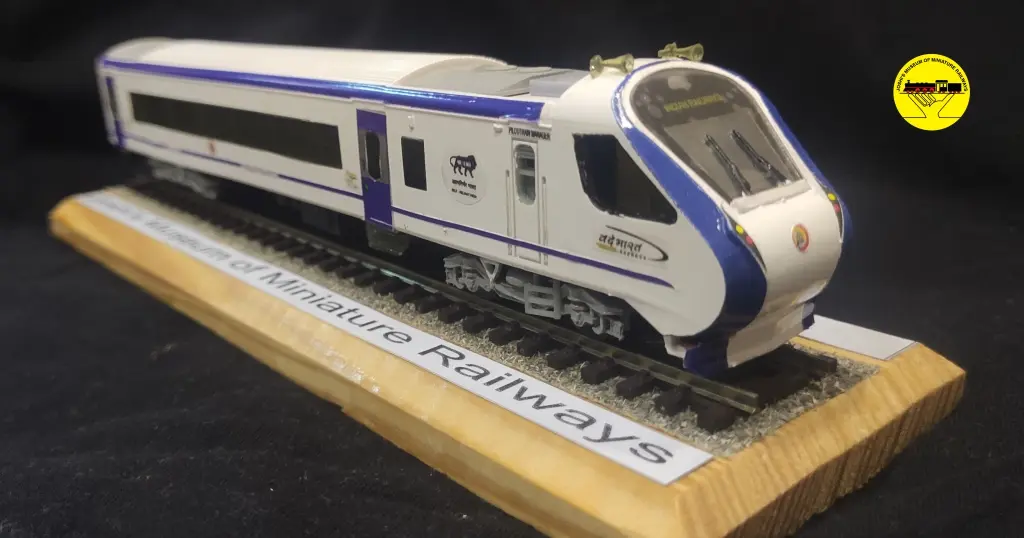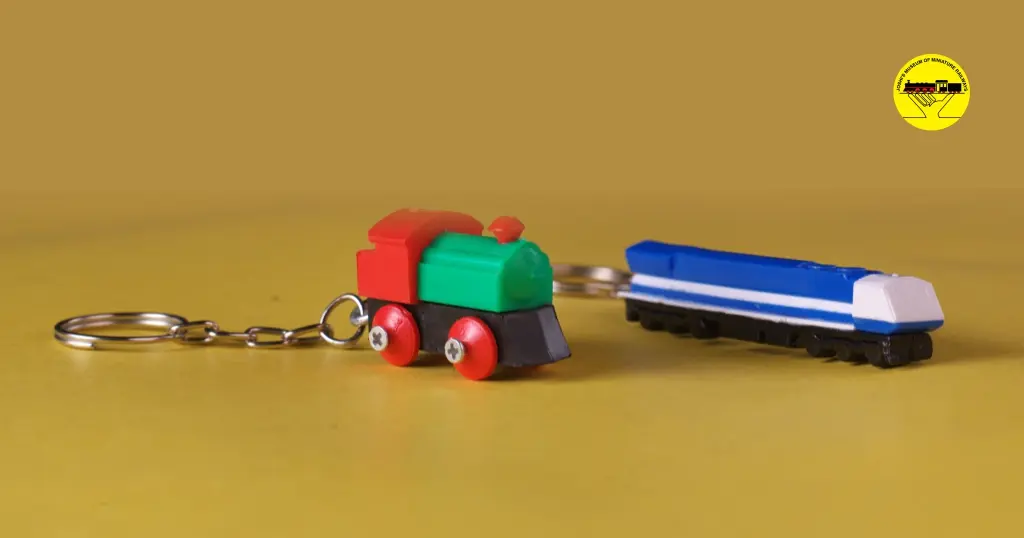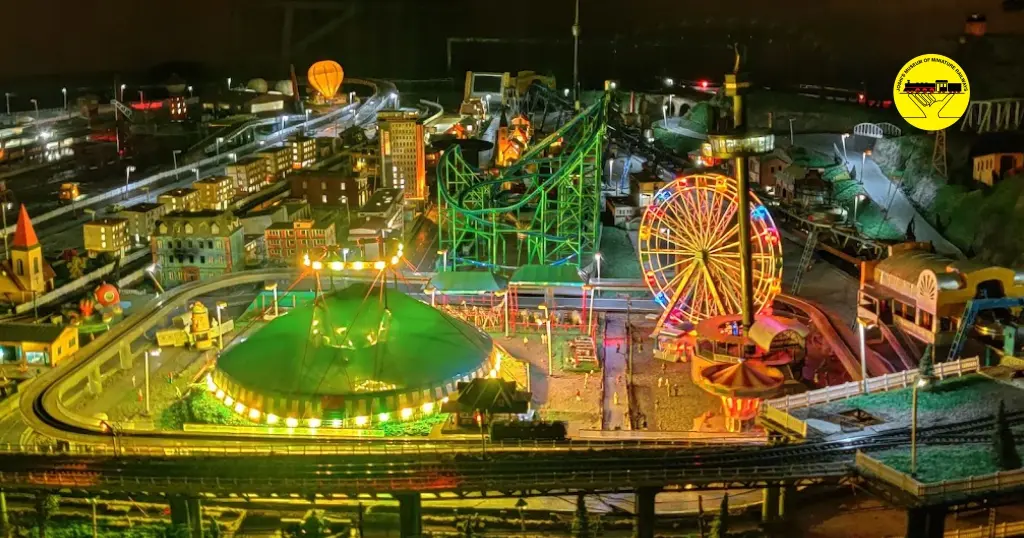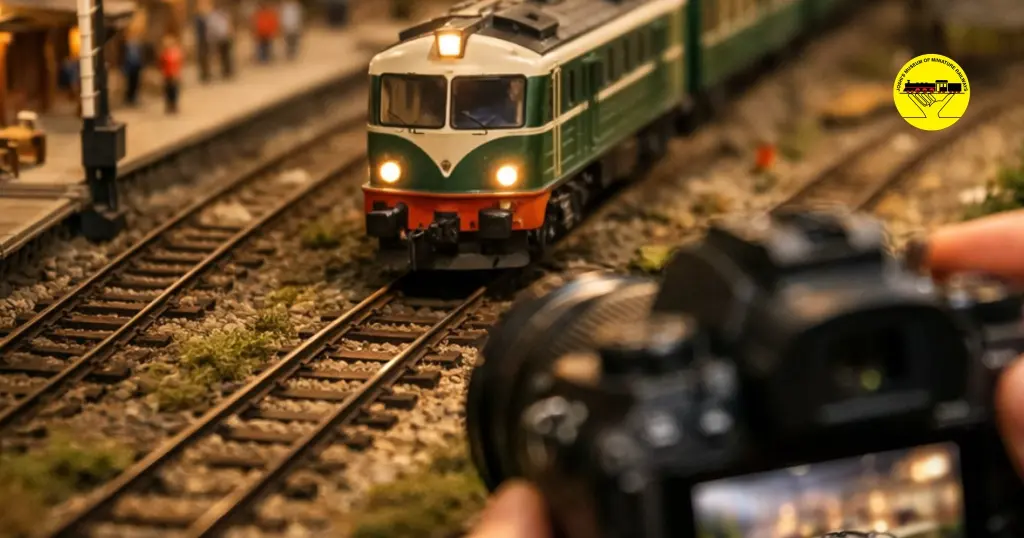

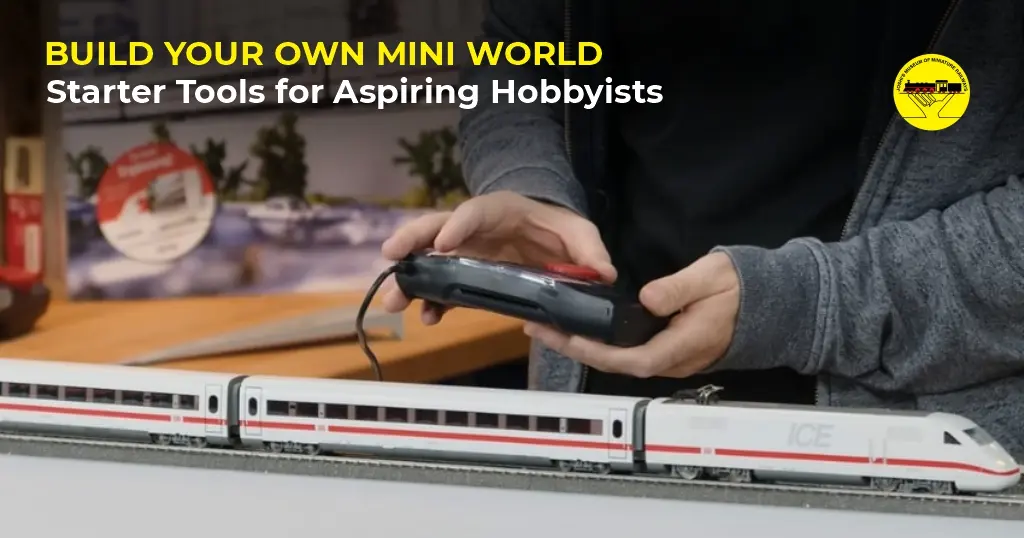
If you’ve ever watched a tiny locomotive glide past a model station, heard its whistle, and thought, “I want to build that,” then you’re in good company. The world of model railways is a rich and rewarding hobby where engineering meets artistry, history meets motion, and the thrill of building meets the joy of running. At Joshi’s Museum of Miniature Railways in Pune you’ll find not only the working display of miniature cities and trains but also two excellent starter kits for aspiring hobbyists: the MT ICE Starter Set and the N700 Starter Set. These aren’t mere toys. They are entry-level tools into a world of scale, detail and railway culture.
In this blog we’ll dive into the history behind the real trains that these models reference, explore why starter sets matter, explain what’s inside these particular kits, and show how you can use them as the foundation of your own mini world.
Starter sets are crucial because they package everything you need (track, train unit, power supply, instructions) to move beyond ambivalence and actually begin building. According to one hobby-supplier guide, starter sets reduce the barrier of entry by “providing a complete loop, controller and locomotive in one box” (GS Model Supplies, 2024). For budding modelers this means you don’t have to source everything part by part; you get immediate gratification and a foundation you can expand.
As hobbyist forums point out, the early experience matters: models that run smoothly and reliably encourage further experimentation (JNSForum, 2010). And when your first locomotive moves under its own power around your track, it shifts from “I might build something” to “I am building something”.
One of the kits references the “ICE” train model. The real-world counterpart is the German high-speed train line known as the InterCity Express (ICE) operated by Deutsche Bahn. First regular services began 2 June 1991 on the Hanover – Würzburg line. These trains reached speeds up to 300 km/h (186 mph) on dedicated high-speed lines. The model kit allows you to engage with that legacy: high-speed engineering, aerodynamic design, and the idea of “railway excellence in motion”.
When you build a model referencing ICE, you’re tapping into a lineage of German rail innovation: Siemens mobility solutions, rigorous testing (for example ICE 3 achieved 368 km/h in trials) and a network that today spans over 1,600 km of high-speed tracks. It’s not just a toy—it’s a mini‐tribute to rail modernity.
The other starter set references the N700 Shinkansen – a Japanese bullet train introduced in 2007 by Central Japan Railway Company (JR Central) and others. The N700 design focuses on high acceleration, energy efficiency and comfort, as part of Japan’s famed Shinkansen network. Model builder sites list starter sets for the N700-series with scale track, locomotive unit, power pack and instructions.
By choosing the N700 kit you’re aligning with the mindset of railway pioneers: speed, precision, infrastructure investment, and even track architecture (curve radius, power pickups, etc.). So your hobby becomes both creative and technical.
Let’s break down what typically comes in the two kits available on Joshi’s site:
For example, the N700 Starter Set listed in model-kit stores includes “Power Pack Standard SX”, feeder track, straight and curved track, relayer, quick-start guide and a plan variation guide.
At Joshi’s Museum website you can see two listed starter sets: the MT ICE Start Set and the N700 Start Set. These are tailored for Indian hobbies—so they may include local power conversion, track compatible with Indian model standards, and access to support from the museum’s hobby centre.
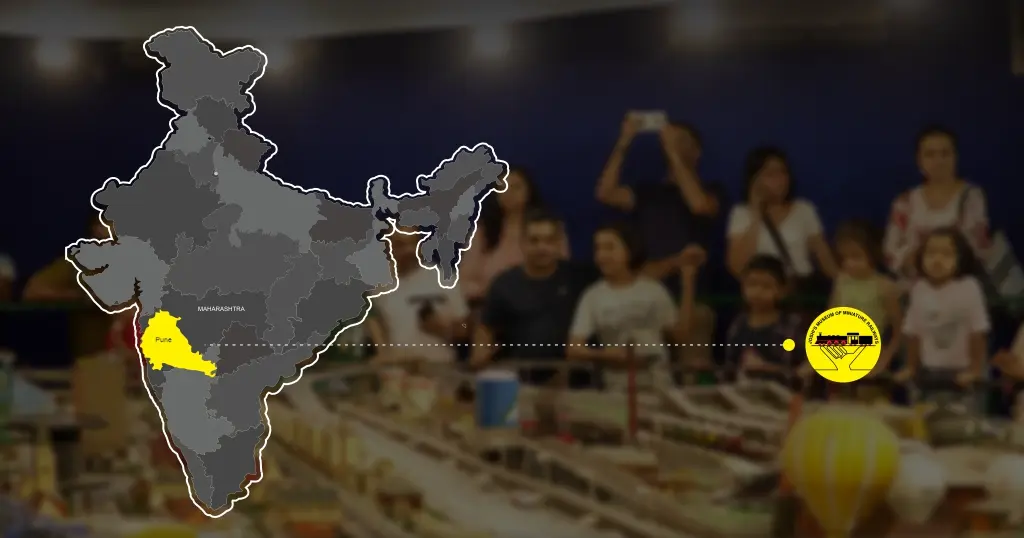
At Joshi’s Museum of Miniature Railways, the emphasis has always been on craft, engineering and movement. Founded in 1998 by B.S. “Bhau” Joshi, the museum features more than 65 working signals, 26 points, a full miniature city layout and trains running with day/night lighting. (Wikipedia) Hobbyists who start with the starter sets join that tradition by creating their own mini-worlds. You’re not just running a train; you’re engaging with gears, motors, control systems — the same thinking that powers Joshi’s full-scale display.
And here’s a compelling data point: many hobbyists report that after completing a starter loop they expand into sidings or branch lines within 6–12 months — a large percentage using the same brand of starter set they began with (GS Model Supplies data). The museum’s own hobby centre uses this progression: starting from beginner sets to advanced layouts and customized models. Joining this path means you’re part of a community of tinkerers, engineers and storytellers.
If you’re deciding which starter set to begin with, here are quick considerations:
Ultimately both deliver superb build-and-run experience; your choice depends on your theme preference and your future expansion vision.
If you’ve ever felt that spark — “I want to build my own mini world” — then the starter sets available from Joshi’s Museum of Miniature Railways are your ticket. They pack technical detail, historical reference and scalable build capability into one box. They honor the engineering heritage of the ICE and the N700 alongside the hands-on craftsmanship celebrated at Joshi’s Museum.
So unpack the tracks, connect the controller, place the locomotive and watch it come alive. That first loop is where the journey begins — and the world you build from there is entirely yours.