There’s nothing quite like a school field trip to break the routine of classroom walls and ignite curiosity through real-world discovery. For schools in Pune and beyond, Joshi’s Museum of Miniature Railways offers a destination that’s not just educational but utterly enchanting. Imagine several tiny trains chugging through miniature cities, glowing streetlights twinkling in sync, and a landscape that moves as if alive, all designed to spark imagination while subtly teaching science, art, and teamwork.
If you’re a teacher, coordinator, or parent planning a school field trip, here’s your complete guide to making the most of your visit to this iconic Pune landmark.
Why Joshi’s Museum Is the Perfect Educational Outing
School trips are meant to combine fun, learning, and exploration, and Joshi’s Museum ticks all three boxes perfectly. Founded in 1998 by B.S. “Bhau” Joshi, an electrical engineer and lifelong hobbyist, the museum stands as India’s first and only miniature railway museum. It showcases how engineering, craftsmanship, and creativity come together in one seamless show.
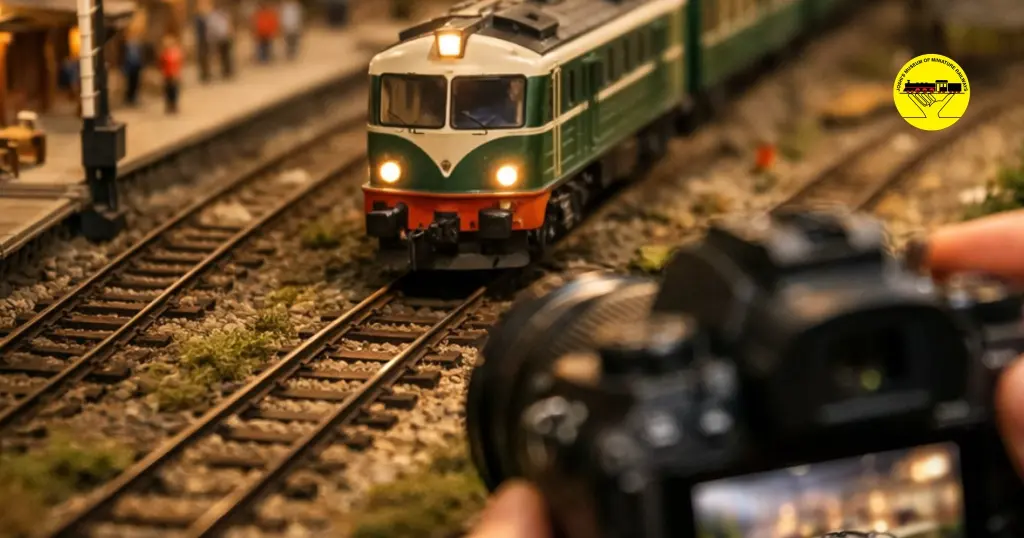
While textbooks describe gears, circuits, and transportation systems, Joshi’s exhibits bring those lessons to life. Students see how a miniature train operates using electric motors, how signals control traffic, and how urban planning is represented in miniature layouts. It’s hands-on science disguised as pure entertainment.
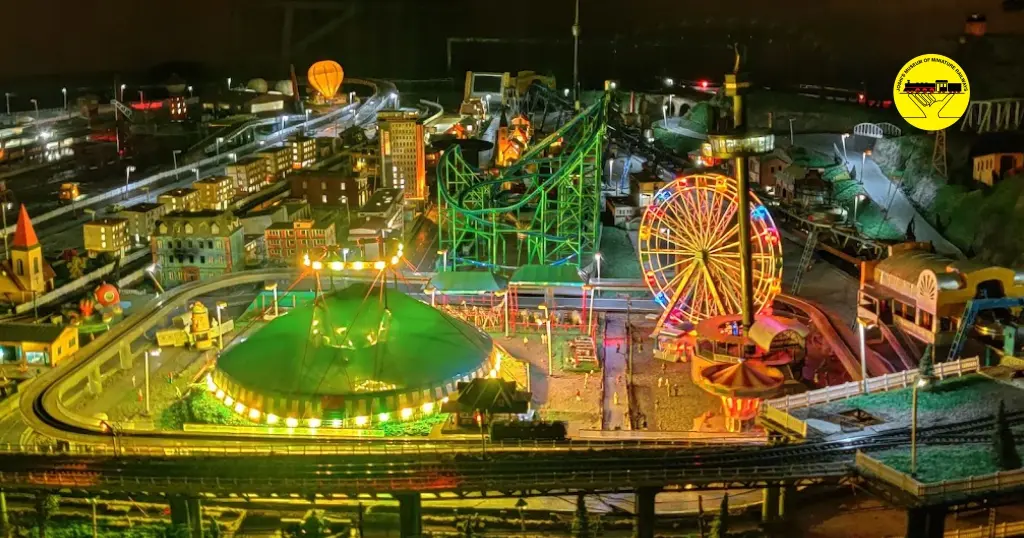
The museum’s show is fully dynamic: as lights dim to simulate night, trains pass through tunnels, cars move on highways, and even a tiny carnival comes alive with a rotating Ferris wheel and music. It’s a sensory learning experience that leaves lasting impressions. The museum receives over 25,000 visitors annually, a testament to its continued popularity among students and tourists alike.
Pre-Trip Planning: What Schools Should Know
Before heading out, it helps to plan for a smooth and organized visit.
1. Book in advance:
Joshi’s Museum operates by show timings to ensure every visitor gets a clear, uninterrupted view. Schools can contact the museum for group bookings and special morning slots that accommodate larger batches of students.
2. Prepare the students:
Introduce children to the concept of miniature railways before the trip. Show short videos, discuss transportation systems, or even assign creative tasks like “Design Your Dream Train.” This builds excitement and context before they arrive.
3. Group size and supervision:
Most schools bring groups of 25–60 students at a time, depending on class size. Teachers and volunteers are encouraged to assist museum staff during show entry and exit to ensure a smooth flow.
4. Combine learning with reflection:
Bring notebooks. Many teachers use the visit as an opportunity for observational drawing, short essays, or note-taking. Students love jotting down what fascinated them most, whether it’s the traffic signals, the mountain tunnels, or the bustling miniature railway station.
What to Expect During the Visit
From the moment the curtains open, students enter a miniature world in motion. The museum’s 26×26-foot layout includes:
- 65 working signals and 26 points guiding multiple trains across tracks
- Day-night lighting effects that showcase how cities come alive around the clock
- Working automobiles and streetlights creating a realistic urban rhythm
- Bridges, tunnels, and stations that mirror real-world railway infrastructure
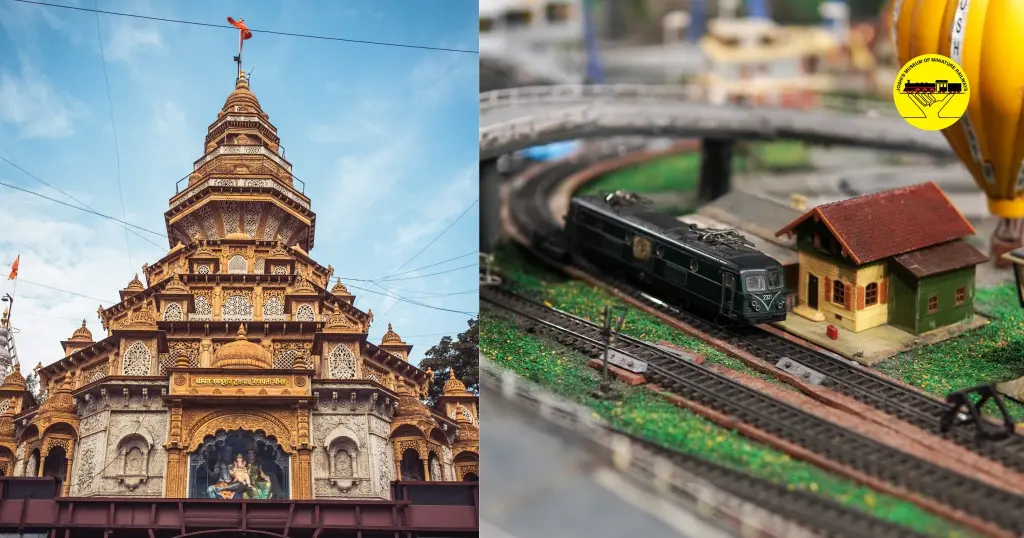
Every detail, from the lampposts to the Ferris wheel, is handcrafted by the Joshi family. The models operate on a control system developed in-house, a feat of precision that merges mechanical design with creative storytelling.
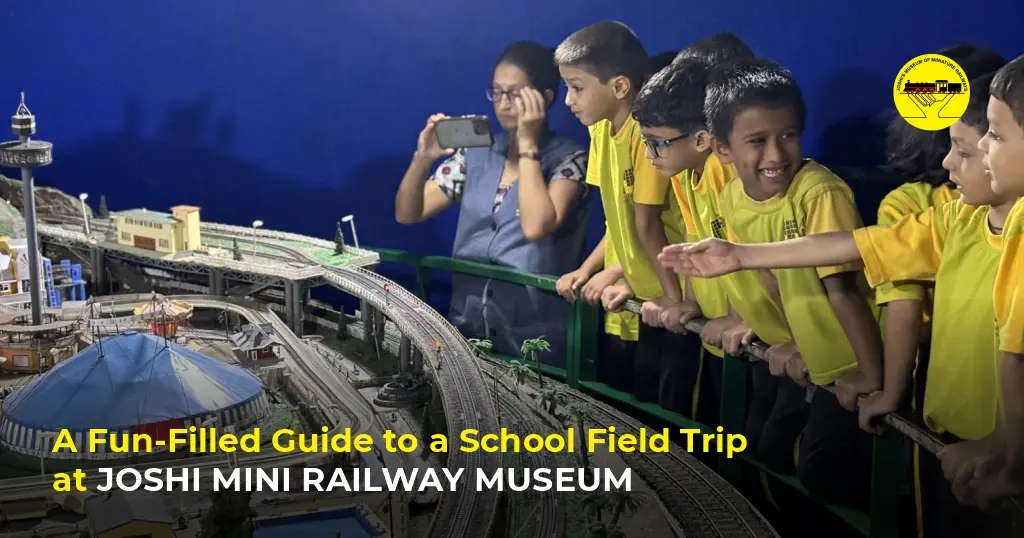
During school shows, staff members offer simple explanations about how trains move, how signals work, and why miniatures matter in engineering and design. The goal isn’t just to inform but to inspire.
Learning Outcomes: What Students Gain
1. STEM Connections
At its core, the museum connects Science, Technology, Engineering, and Mathematics (STEM) to real-world application. Children observe how electrical circuits power movement, how scaling works in model design, and how energy is conserved across systems.
2. Creativity and Imagination
Beyond technicality, miniature modelling teaches creativity. Students realize how simple materials can be transformed into complex systems through patience and precision. It’s where art meets engineering.
3. History and Heritage
Railways shaped modern India. The museum gives children a glimpse into the evolution of trains, from steam locomotives to high-speed engines, allowing them to visually connect with transportation history.
4. Observation and Teamwork
Group visits encourage discussion, observation, and shared wonder. Students learn to notice details and appreciate collaborative creation, the same teamwork that real engineers and designers rely on.
Workshops and Interactive Sessions
The museum regularly hosts educational workshops led by Ravi Joshi and Devavrat Joshi, continuing the founder’s legacy. These sessions introduce children to model-making through simple materials like paper and card.
Workshops combine:
- Hands-on model construction explaining scale and proportion
- Basic science demos related to motion, magnetism, and electricity
- Creative thinking exercises that encourage kids to design their own train models
These sessions nurture patience, problem-solving, and curiosity, qualities that modern education increasingly values. Schools can schedule workshops as part of the field trip package for a deeper learning experience.
Fun Add-Ons: What Else to Do Around the Museum
After the show, many schools make the day even more memorable with nearby activities. The Kothrud area offers spacious gardens and restaurants that serve kid-friendly meals, perfect for a lunch break before heading back to school.
You can also plan a train-themed art session or group photograph right outside the museum, letting students carry home a souvenir memory.
Teacher Tips: Making It More Meaningful
- Connect with curriculum: Relate the museum’s exhibits to chapters on motion, electricity, or community transport.
- Encourage peer learning: Assign groups to observe specific scenes like the railway station or the highway and present what they notice.
- Ask curiosity questions: “Why do trains need signals?” “How do lights change automatically?” Questions make the experience active rather than passive.
- Share feedback: The museum team welcomes feedback from schools to customize sessions for age-appropriate learning.
Why It’s More Than a Trip
For many students, this field trip is their first introduction to model-making and the science behind motion. It’s an encounter that can spark lifelong interests in engineering, architecture, art, or design.
Field trips like these also promote community connection. Joshi’s Museum is a homegrown institution, a family-built legacy that mirrors Pune’s spirit of innovation. By visiting, schools support a unique cultural landmark that blends heritage and creativity, keeping alive a craft that continues to inspire.
Plan Your School Visit
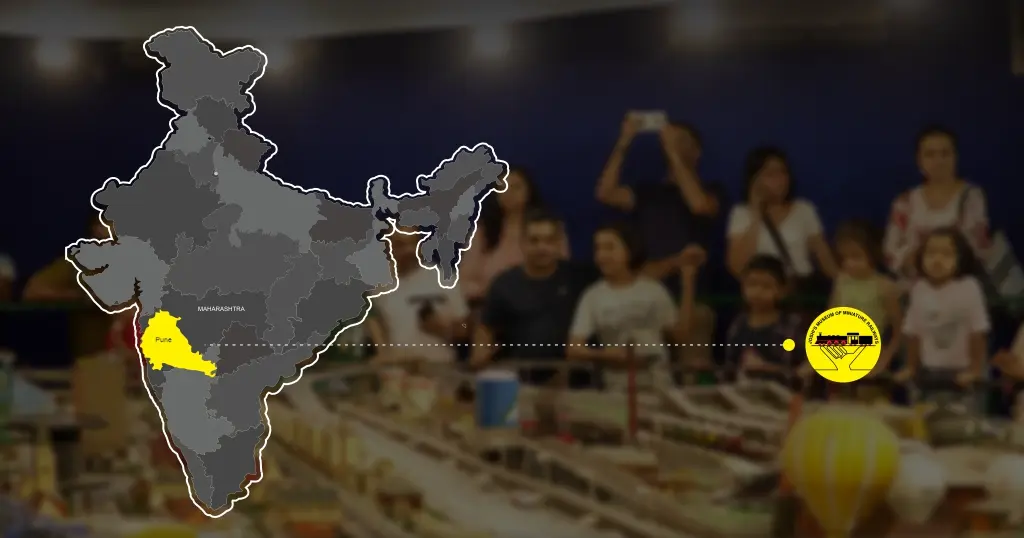
- Location: Kothrud, Pune
- Show Duration: Approximately 25 minutes per batch
- Ideal Age Group: 6–16 years
- Booking: Advance group reservations recommended through
For educators seeking field trips that go beyond sightseeing, Joshi’s Museum offers something rare, a field trip that’s both playful and purposeful. Students laugh, learn, and leave with eyes full of wonder and minds brimming with questions.
Final Whistle: Learning in Motion
In an age of digital distractions, Joshi’s Museum reminds us that learning can still move. Tiny trains cross bridges, signals flash, and Ferris wheels turn as children watch with wide-eyed fascination.
It’s a world where science feels magical, and magic feels mechanical. And for a few minutes, students and teachers are all passengers on the same joyful journey of discovery.
All aboard the Miniature Express! Plan your next school field trip at Joshi’s Museum of Miniature Railways, where imagination runs on tracks and curiosity never stops.
Sources
- Joshi’s Museum of Miniature Railways. (2024). Official website. Retrieved October 2025, from https://minirailways.com
- Pune Tourism Department. (2024). Top Educational Field Trip Destinations in Pune. Retrieved from https://www.maharashtratourism.gov.in
- Indian Railways Heritage Portal. (2023). Evolution of Indian Railways and Model Engineering. Retrieved from https://heritage.indianrailways.gov.in
- Times of India. (2023, August 14). Pune’s Joshi Museum of Miniature Railways: A Hidden Gem of Innovation. Retrieved from https://timesofindia.indiatimes.com