Some places grow with you. They don’t just stay in your memory—they evolve alongside your life stages, offering something new each time you return. For many families in Pune and beyond, Joshi’s Museum of Miniature Railways is one such place.
From the wide-eyed wonder of a toddler to the curious questions of a teenager, this miniature world has a way of adapting itself to the visitor. What starts as a playful fascination with moving trains gradually matures into lessons about history, engineering, and even creativity. That’s what makes Joshi’s Museum timeless—it has the rare ability to remain relevant across ages, across generations.
1. The First Encounter: For Toddlers
For a toddler, the museum is pure magic. Bright colors, moving engines, flashing signals—everything is larger than life, even though it’s miniature.
- Sensory Engagement: Toddlers are drawn to movement and sound. The trains gliding along tracks, lights flickering in tiny houses, and bridges rising in miniature landscapes stimulate visual and auditory senses.
- Early Learning: Even at this age, kids begin to grasp simple cause-and-effect. “The train moves because the switch was pressed.” These small observations become building blocks of logical thinking.
- Joy and Awe: At a stage when attention spans are short, the museum’s dynamic displays hold their focus far longer than static objects could.
Parents often notice their children pointing, laughing, or mimicking sounds—first steps in connecting play with observation.
2. The Curious Explorer: Early Childhood (Ages 5–8)
By the time children enter early school years, they want to know how things work. This is when Joshi’s Miniature Railways becomes more than entertainment—it becomes an informal classroom.
- Questions Galore: Why do the trains stay on track? How do the signals change? What’s inside the engine?
- Introduction to STEM: Without even realizing it, kids are dipping their toes into physics and engineering. Concepts like motion, balance, and energy become visible and tangible.
- Imagination at Play: Children this age invent stories. A miniature train isn’t just moving—it’s carrying people to a festival, delivering goods, or racing to beat the clock. This blend of imagination and reality strengthens creativity.
A study in Early Child Development and Care shows that hands-on interactive experiences increase science curiosity by up to 40% in primary school children.
3. The Learner and Collector: Pre-Teens (Ages 9–12)
Pre-teens start looking for detail. They’ve developed the patience to observe carefully, and suddenly, the miniature world reveals itself layer by layer.
- Spotting Details: Tiny figures waiting at stations, cars moving on roads, or tunnels carved into mountains become points of fascination.
- Understanding Systems: Children realize that the trains don’t run randomly—they follow schedules, signals, and tracks. This introduces them to the concept of interconnected systems.
- Collecting Instinct: Many pre-teens are inspired to start their own miniature collections at home—be it toy trains, figurines, or DIY track layouts. This develops focus and organizational skills.
At this age, a visit to Joshi’s Museum often plants the seeds for hobbies that can last a lifetime.
4. The Analytical Observer: Teenagers (Ages 13–17)
Teenagers bring a more critical lens to the museum. What once felt like magic now sparks deeper thought.
- History Meets Technology: Teens can connect the evolution of railways to larger themes—industrial progress, globalization, or urban development.
- Appreciation of Craft: The engineering precision and artistry behind each miniature piece stand out. Teens start to value the patience and skill that went into building the display.
- Linking to Careers: With school subjects like physics, math, and design becoming serious, teenagers can see how concepts play out in the real world. They might even consider careers in engineering, design, or architecture.
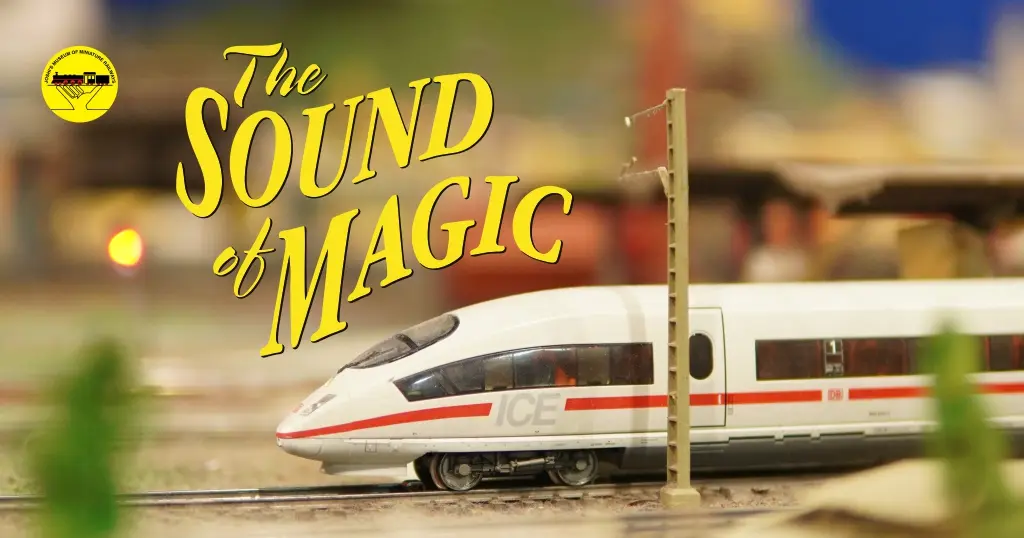
The museum’s variety of models—the German ICE, the Indian Railbus, the funicular railway, or the futuristic monorail—become metaphors for innovation and adaptability, inspiring questions about where transport (and society) is headed.
5. Why the Museum Stays Timeless
So what makes Joshi’s Museum equally fascinating for toddlers and teenagers?
- Layers of Discovery: A toddler sees movement, a child sees stories, a teen sees systems. The same exhibit, but many interpretations.
- Nostalgia and Growth: Families return with children at different ages, and each visit adds new meaning. Parents also relive their own childhood memories of trains.
- Community and Heritage: Beyond entertainment, the museum connects people to Pune’s cultural fabric and to a global history of railways.
According to the International Council of Museums, repeat visits increase by 60% when museums offer multi-generational relevance. Joshi’s stands out because it doesn’t just cater to one age group—it adapts to them all.
6. A Family Experience Across Ages
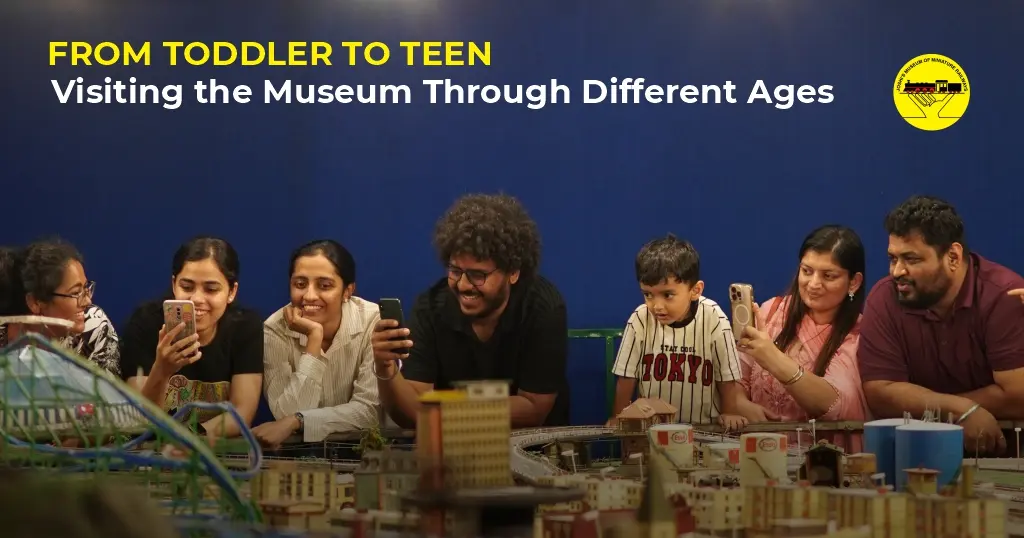
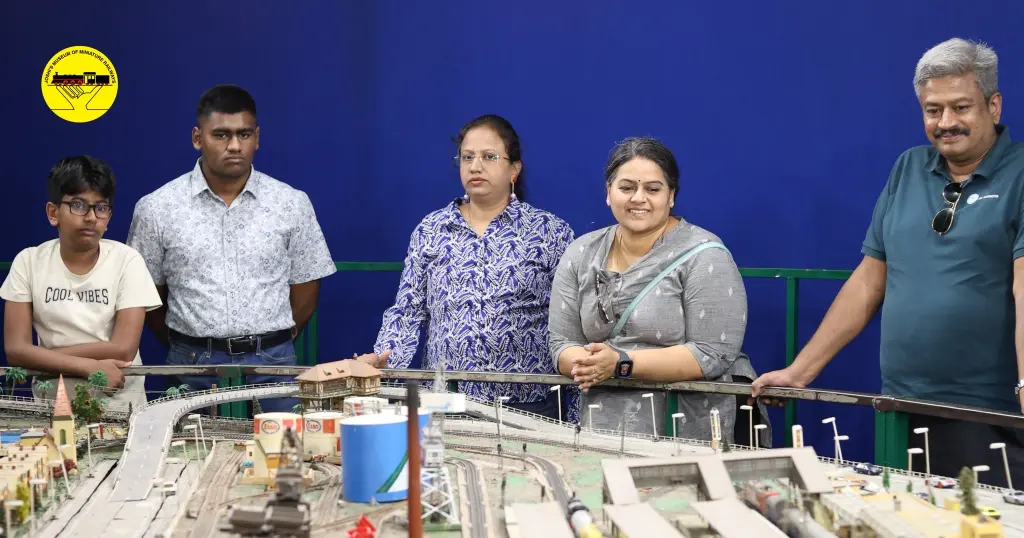
One of the most beautiful aspects of the museum is how it creates a shared space for families.
- Toddlers giggle at moving trains.
- School children ask questions and point out details.
- Teens discuss engineering or take photographs for projects.
- Parents and grandparents add stories about real train journeys from their past.
This layering of perspectives turns the museum into a conversation space. Families often walk out not just entertained but connected—having shared an experience that resonated differently for each age, but still tied them together.
7. How to Make the Most of Each Visit
- With Toddlers: Keep visits short, let them point and laugh freely. Don’t overload with explanations—just enjoy their joy.
- With Children (5–8): Encourage questions and storytelling. Ask them to imagine where the train is headed.
- With Pre-Teens: Challenge them to spot new details or draw their favorite part afterward.
- With Teens: Discuss history, technology, and innovation. Let them take photos or notes for school projects.
Every stage has a different takeaway, and guiding children according to their age maximizes the experience.
Final Thoughts
From toddlers squealing at the sight of a moving engine to teenagers pondering engineering marvels, Joshi’s Museum of Miniature Railways is a place that never stops giving. Its true magic lies not only in the trains, tunnels, and towns but in how it evolves with its visitors.
Each return visit is like meeting an old friend who has something new to say. That timelessness is rare—and it’s what makes Joshi’s not just a museum, but a lifelong companion.
So the next time you’re planning a family outing, remember: Joshi’s isn’t just a stop on your Sunday list—it’s a journey you can take again and again, from toddler to teen, and still find wonder waiting on the tracks.